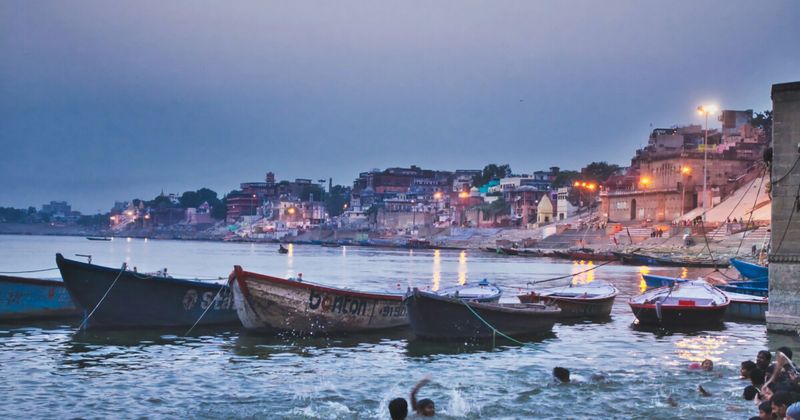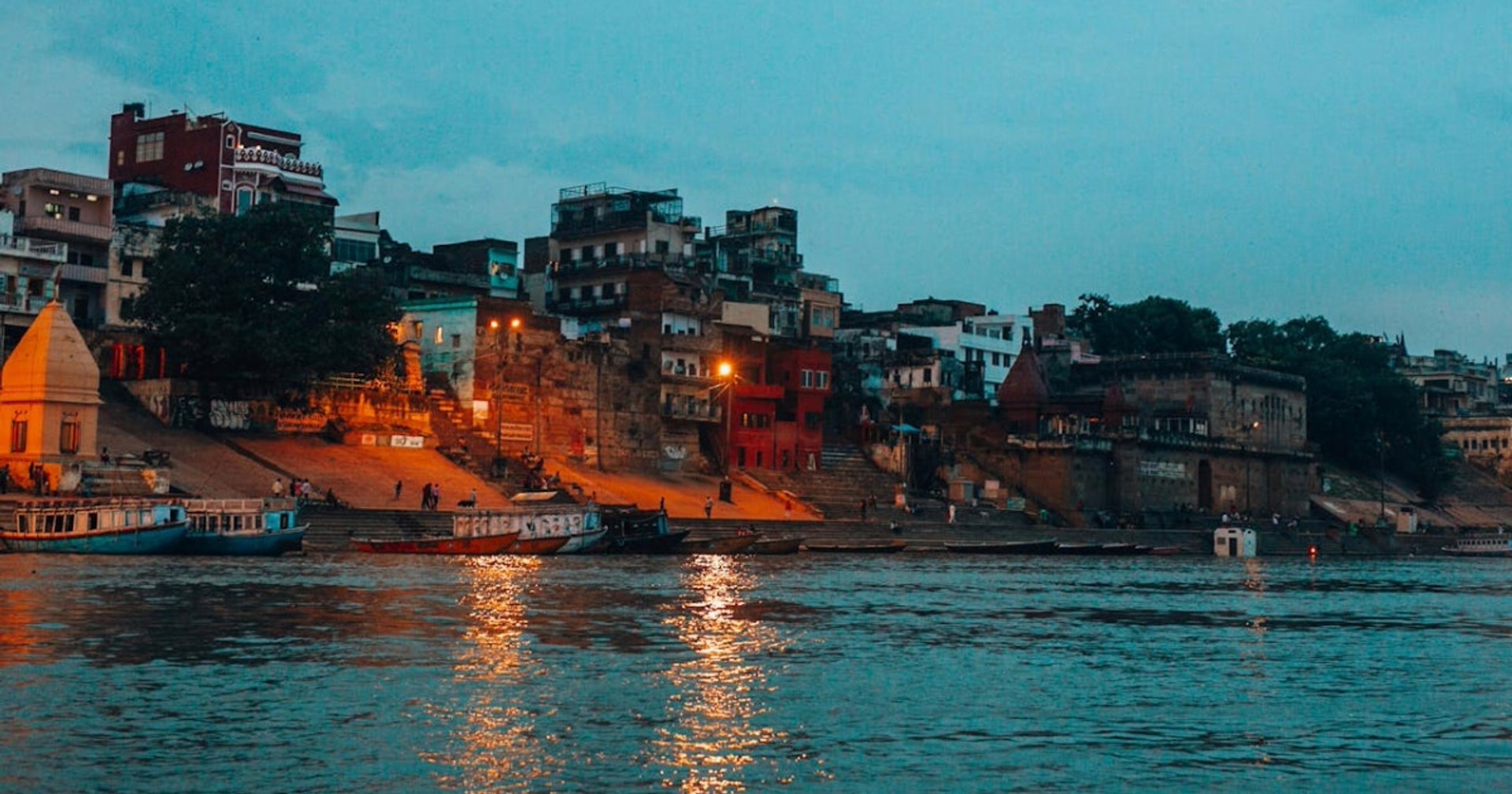

The first time you stand at Manikarnika Ghat in Varanasi and watch a cremation, you're processing the fact that you're watching it.
The second time, you understand what you're watching.
In the Hindu tradition, Varanasi is the city where the soul achieves moksha — liberation from the cycle of rebirth — if it dies there. The families carrying the wrapped bodies through the narrow gali lanes to the ghat are not, in any Western sense of the word, mourning. They are delivering their loved one to the best possible death available to a Hindu soul. Mahashamshana — the Great Cremation Ground — is the most auspicious address in the universe for those who follow Shaivite tradition. The fires at Manikarnika have burned continuously for 3,000 years not as a morbid spectacle but as a liberation service, functioning around the clock because the city's purpose is exactly this.
On the first India trip, this information is available. On the second India trip, you understand it. The shift from information to comprehension is what makes returning to India categorically different from returning to any other country.
The first trip to India is about surviving the intensity of the country — the traffic, the heat, the sensory overload, the aggressive pricing at tourist sites, the challenge of reading a train schedule when you don't know what Tatkal means. The second trip is about understanding the logic that underlies all of it. And that understanding transforms every city you revisit and makes the cities you didn't visit comprehensible rather than overwhelming.
This post is a decision framework. It is the guide that nobody has written — not Lonely Planet, not Condé Nast, not any of the travel blogs that tagged on "also consider Jodhpur" at the end of their Golden Triangle piece. If you've done the Taj Mahal and the Kerala backwaters and you want to come back, this is how to decide where to go next.
Sort VisitorsCoverage before booking — the second India trip often involves more remote destinations with more complex risk profiles than the first. Policies from approximately $18–45 USD depending on destination and duration. EKTA offers a second comparison option from $0.99/day at ektatraveling.com. Compare both.
Why the Second India Trip Is Different From the First
Something specific happens between your first and second visit to India that has nothing to do with the country changing and everything to do with you.
On the first trip, you arrive without a reference frame. Every experience is processed as new data in a system that has no prior context. The Golden Triangle works for first-timers precisely because it provides a high density of iconic experiences — the Taj Mahal, Red Fort, Amber Fort — that are legible to a visitor with no prior India experience. You see a fort. You understand it as a fort.
By the time you return, you have the context. You've read about the Mughal Empire since you came back. You've looked up what Ganga Aarti actually means. You understand the caste implications of the blue paint in Jodhpur. You know that the Taj Mahal was a mausoleum built by a man imprisoned in a fort with a sightline to his wife's grave. The monuments haven't changed. Your relationship to them has.
This means the second India trip has a specific superpower: you are now capable of understanding places that would have overwhelmed you on the first trip. Varanasi overwhelms most first-timers — the death, the density, the spiritual intensity. On the second trip, you're ready for it. Kolkata's historical complexity — three centuries of colonial Bengal, the partition, the intellectual tradition — has a context you can now place. The Northeast's completely different cultural logic is accessible in a way it wouldn't have been when you were still learning how an Indian train reservation works.
Which Type of Second India Trip Are You?
Before choosing destinations, identify your motivation. The second India trip falls into three distinct psychological categories.
Path A: The Deeper North India
For: Travellers who loved the Golden Triangle and Rajasthan and want more of the same register but deeper. You want more forts, more temples, more Mughal history, more desert. You may have done Delhi, Agra, and Jaipur and want to add Varanasi, Amritsar, and the Rajasthan cities you skipped.
Signature feeling: The first trip showed you the surface of something huge. You want the depth.
Path B: The India You Completely Missed
For: Travellers who have done the Western-recommended circuit (Golden Triangle + Kerala) and understand they've seen approximately 15% of the country. You want to understand why Indian travellers talk about Kolkata differently from how they talk about Delhi, why the Northeast is considered a completely different civilisation, and why Darjeeling and Sikkim produce a different kind of India experience from anywhere further west.
Signature feeling: The first trip was India 101. You want the curriculum beyond it.
Path C: The India Nobody Talks About
For: Travellers who want to get off every standard itinerary — the places that have been on their radar since the first trip but never quite fit, the landscapes that have no equivalent elsewhere, the regions that require the experience of one full India trip before they're manageable. Spiti Valley. The Rann of Kutch. Hampi. The places where the reward is proportional to the difficulty of reaching them.
Signature feeling: The first trip was the known India. You want the unknown version.
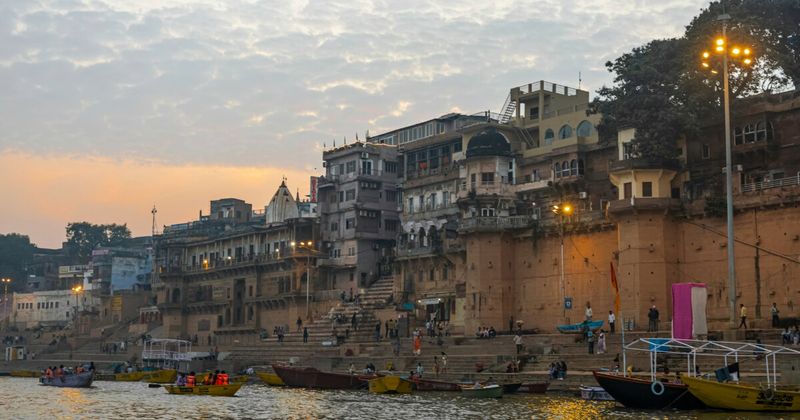
The Ganga Aarti has been performed nightly at Dashashwamedh Ghat without interruption for over 200 years — on the second visit, you watch it knowing what the fire represents rather than simply watching the fire.
Path A: What to Do on a Deeper North India Second Trip
Why Varanasi Should Be Your First Stop on the Second Trip
Varanasi works on the second trip in a way it cannot fully work on the first. The specific reason: on the first trip, most visitors are processing the basic logistics of India while simultaneously being confronted with the densest spiritual intensity in the country. The combination produces a memorable but partially comprehended experience.
On the second trip, you have no logistics to process — you know how to negotiate an auto, how to find a ghat, how to eat at a dhaba without getting sick. The bandwidth previously spent on survival is now available for the actual experience.
What changes at Manikarnika on the second visit: You stand at the ghat and understand that the 300-400 cremations per day at this one location represent the highest possible aspiration of a Hindu life — to die in the city of Shiva. The family members standing at the pyre are not the most grief-stricken people in Varanasi. They are frequently the most relieved. This shift in comprehension makes the second Varanasi experience one of the most profound in India. Everything our Varanasi in 3 Days guide covers, but with a different internal frame.
Why Amritsar on a Second Trip Hits Differently Than Expected
Amritsar works for second-trip travellers specifically because the Golden Temple is the antithesis of every heritage site on the standard first-trip circuit. Amber Fort costs ₹1,000 to enter. The Taj Mahal costs ₹1,300. The Golden Temple costs nothing, is open 24 hours, feeds 50,000–100,000 people per day for free and was designed to welcome everyone.
The contrast between visiting the Taj Mahal (a monument of concentrated imperial power built for one man's grief) and the Golden Temple (an architecture of radical welcome, built lower than the surrounding ground, with four equal entrances to signal that no direction of approach is privileged) is one of the most revealing comparisons available in India. Do them both in the same trip, in this order: Taj Mahal first, Golden Temple second. The second visit clarifies what the first visit missed. Full route and all 2026 prices in our Amritsar in 2 Days guide.

The Golden Temple was built lower than its surrounding parikrama so every visitor descends to reach it — architectural humility encoded in the foundation design.
The Rajasthan Cities Your First Trip Missed
If your first Rajasthan trip covered Jaipur and Agra, the second trip adds Jodhpur (Mehrangarh Fort + the Blue City), Udaipur (Lake Pichola + the island palace that inspired the Taj Mahal), and Jaisalmer (the world's only living fortress). These three cities represent completely different versions of Rajasthan and the full 14-day circuit is covered in our Rajasthan Royal Circuit guide.
The specific city to add if you've already done Jaipur, Jodhpur, and Jaisalmer: Bundi. 210km south of Jaipur — a small, steep-laned Rajput town with a palace covered in the finest Bundi school miniature paintings in existence, a step-well at every corner, and almost no other tourists. It is what every Rajasthan city was before the tourism infrastructure arrived. Two nights, a hired scooter, and no crowd management. Book the Bundi HRTC bus from Kota on 12Go Asia.
Path A suggested sequence (10–12 days): Delhi → Agra day trip (Taj at sunrise, already done; go to Fatehpur Sikri instead, ₹610 foreigners) → overnight train to Varanasi → 3 nights Varanasi → Sarnath day trip → overnight train to Amritsar → 2 nights Amritsar + Wagah Border → Delhi return flight.
Path B: The India You Completely Missed — Kolkata and the East
Why Kolkata Is the Most Underrated Second-Trip City in India
Kolkata does not appear in most first-trip India guides because it doesn't fit the monument-focused narrative that drives first visits. There is no single iconic structure to see. There is no equivalent of the Taj Mahal or the Golden Temple. What Kolkata has instead is the most layered and articulate urban culture in India — three centuries of colonial Bengal, the intellectual traditions of the Bengal Renaissance, the literary legacy of Rabindranath Tagore, and the specific physical character of a city built on a river delta that has been simultaneously crumbling and producing extraordinary thought for 300 years.
The specific Kolkata detail that most travel guides reduce to a footnote: Kolkata was the capital of British India from 1773 to 1911 — the longest and most important period of the British imperial project. When the capital moved to Delhi in 1912, Kolkata kept the culture that had accumulated around it. The colleges, the publishing houses, the coffeehouses, the cinema tradition, the annual Durga Puja festival that transforms the entire city into the most spectacular outdoor art installation in the world for five days every October. All of it stayed.
College Street Coffee House: The Indian Coffee House at 15 Bankim Chatterjee Street has been operating since 1942 and was, during the 20th century, the primary meeting place of the Bengal intellectual tradition — Rabindranath Tagore, Satyajit Ray, Amartya Sen, and virtually every significant figure of 20th-century Bengali intellectual life sat in this specific building arguing about cinema, literature, and politics. It still operates. The coffee is strong and cheap (₹30–50/$0.32–0.53 USD). The waiters wear the same uniform they've worn since the 1950s. You can sit there for two hours without anyone asking you to leave.
Durga Puja (October): The five-day festival that transforms Kolkata — specifically the largest cities in the Kolkata metropolitan area — into the world's biggest outdoor art installation. 2,500+ temporary structures (pandals) are erected each year, each housing a commissioned idol of the goddess Durga in a different artistic concept; some pandals employ installation artists from Europe, some use recycled materials exclusively, some recreate famous world monuments. The 2024 Durga Puja was inscribed on UNESCO's Representative List of Intangible Cultural Heritage. Entry to all pandals is free. Visit during Navami or Dashami (the fourth and fifth days) for peak pandal activity and the procession of idols to the river.
Search all routes into Kolkata (CCU) on FlyFlick. Kolkata receives direct connections from London, Dubai, Bangkok, and Kuala Lumpur.
Check Live Flight Prices
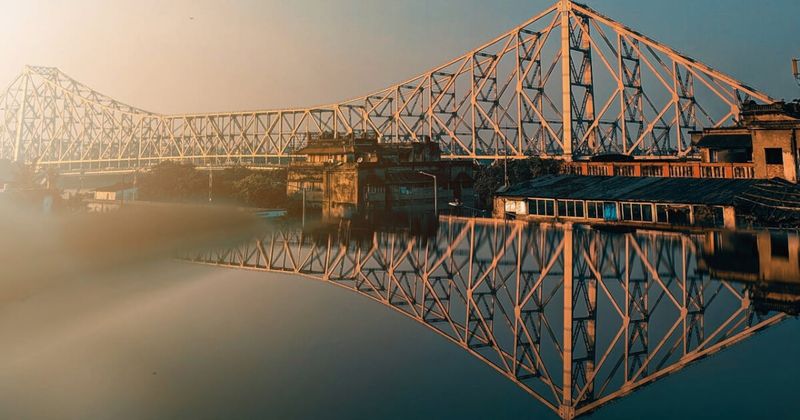
Howrah Bridge carries no bolts — the entire 26,500-tonne structure is held by rivets, using a technique that makes the bridge flexible enough to handle the thermal expansion of the Bengal climate.
Northeast India: The Completely Different Civilisation
The seven states of Northeast India — Assam, Meghalaya, Manipur, Nagaland, Mizoram, Tripura, Arunachal Pradesh — share a border with Bangladesh, Bhutan, China, and Myanmar but not a cultural identity with the India most international travellers have visited. The cuisine, the architecture, the languages, the traditions, and the landscape are categorically different from anything on the standard first-trip circuit.
Why the Northeast requires a second trip: Not because it's more difficult (it isn't — Meghalaya and Assam have good tourist infrastructure), but because it requires the context of having seen "mainstream" India to understand what makes the Northeast so different. The comparison is the education.
Meghalaya: The Root Bridge Village Circuit
Meghalaya (literally "abode of the clouds") receives the highest rainfall of any inhabited place on earth — Mawsynram, in the East Khasi Hills, records approximately 11,871mm per year. The Khasi and Jaintia communities who have farmed the steep jungle valleys here for millennia developed a response: they trained the roots of Ficus elastica (rubber fig trees) into bridges across the streams and rivers. The bridges are alive. They grow. Some are 500 years old and can bear the weight of 50 people. The double-decker root bridge at Nongriat village — accessed by descending 3,500 stone steps into a jungle gorge, an hour from Cherrapunji — is the most extraordinary piece of organic engineering in India.
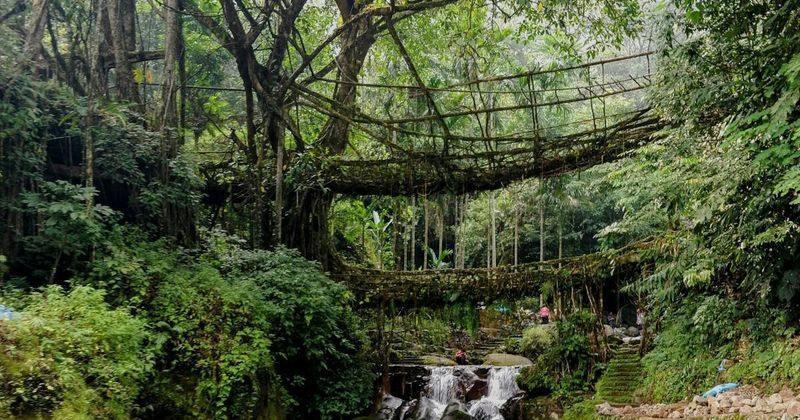
The Khasi communities trained Ficus elastica roots across streams over 10–15 years — the bridges then continue growing and strengthening for centuries, becoming load-bearing structures that no flood can destroy.
Entry to Nongriat: free. The descent takes 1.5 hours. The ascent takes 2 hours. There is basic accommodation in the village for ₹500–₈00 ($5.32–₈.51 USD) per person per night. Bring dry bags, good shoes, and prepare for the specific smell of living jungle after rainfall.
For the full route: search flights from Kolkata to Shillong (SHL) — 1 hour — on FlyFlick. Or drive from Guwahati (GAU) — 100km, 3 hours. Our Northeast India guide covers the full circuit.
Check Live Flight Prices
Assam: The Rhinos of Kaziranga
Kaziranga National Park in Assam contains 2,613 Indian one-horned rhinoceros — approximately 70% of the entire world population of the species. The rhinos graze in the open floodplain grasslands of the Brahmaputra valley in daylight, visible from jeep safari at distances of 30–50 metres. No hide. No telephoto lens required.
Jeep safari: ₹500–1,000 ($5.32–10.64 USD) per person plus vehicle and camera fees. Elephant safari (for the deeper Western Range): ₹1,500–2,500 ($15.96–26.60 USD) per person. Fly into Guwahati (GAU) — 3–4 hours from Kaziranga by road. Book on Klook for confirmed safari slots.
Darjeeling and Sikkim: The Himalayan East
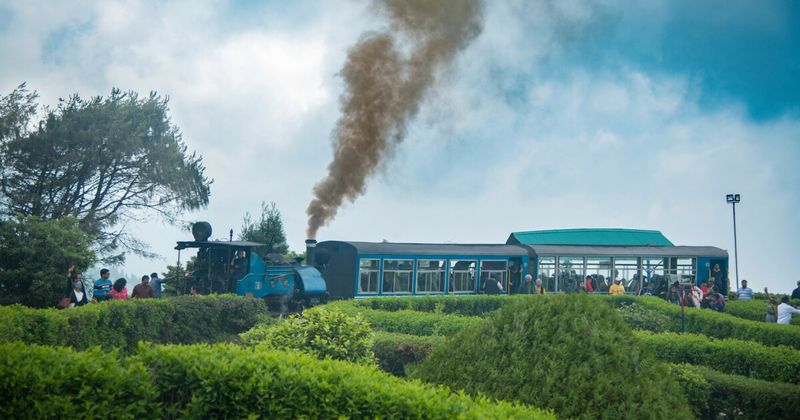
Darjeeling's UNESCO Toy Train, the Kanchenjunga view from Pelling, the Rumtek Monastery, and the Tsomgo Lake — all covered in our Darjeeling and Sikkim in 8 Days guide. The combination of Kolkata + Darjeeling + Meghalaya forms the most coherent 12–14 day East India second trip.
Path B suggested sequence (14 days): Fly into Kolkata (CCU) → 3 nights Kolkata → fly to Guwahati → 3 nights Meghalaya (Shillong + Cherrapunji + Nongriat root bridges) → 2 nights Kaziranga → fly or train to Bagdogra → 3 nights Darjeeling (Toy Train, Tiger Hill) → 2 nights Pelling (Kanchenjunga) → fly home via Bagdogra.
"Flying to Kolkata or Guwahati for the East India second trip? Search all routes below."
Check Live Flight Prices
Path C: The India Nobody Talks About
The Rann of Kutch: The White Desert That Has No Equivalent in India
The Rann of Kutch in Gujarat is the largest salt marsh in the world — a 30,000-square-kilometre white expanse on the border with Pakistan that is completely flooded during the monsoon (June–September) and completely dry the rest of the year. At full moon on a clear night in November, the white salt desert reflects enough light to read by. The horizon is flat to every direction. The sky is fully visible from horizon to horizon. There is no light pollution for 100 kilometres in any direction.
The specific detail most India guides don't explain: the Rann was the seabed of the Arabian Sea as recently as the 8th century CE. The city of Dholavira — a 4,500-year-old Harappan civilization site on the island of Khadir Bet in the centre of the Rann — was a port city when it was inhabited. The sea retreated and left the salt behind. Dholavira is now a UNESCO World Heritage Site.
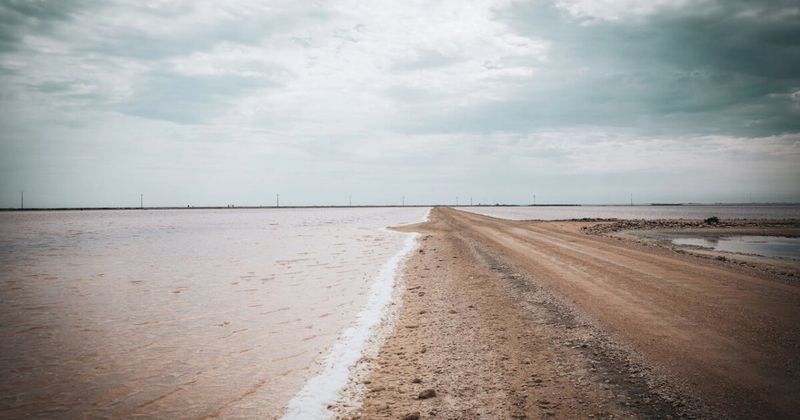
Caption: The Rann of Kutch salt was a seabed as recently as the 8th century CE — the salt left behind when the Arabian Sea retreated is 6–8 metres deep in places and has preserved Harappan-era settlement remains visible at Dholavira island.
Rann Utsav (November–February): The Gujarat Tourism-organised festival village on the edge of the Great Rann — a tent city with cultural performances, traditional crafts, and overnight accommodation. Tent stays: ₹2,000–3,000 ($21.28–31.91 USD) per night. Full moon nights book out weeks ahead. Entry to the White Desert viewpoint: ₹100 ($1.06 USD).
Getting there: Fly to Bhuj (BHJ) from Mumbai or Ahmedabad (45 minutes). FlyFlick for all routes. KiwiTaxi for the Bhuj airport → Rann transfer (90km, confirmed for Kutch routes). Book KiwiTaxi in advance — Bhuj taxis price-gouge during festival season.
Kutch craft villages: Kutch is the most concentrated craft region in India — 22 distinct textile, embroidery, and craft traditions in a single district, practised by communities who have been doing them for centuries. The Banni villages (embroidery), the Bhujodi weaving village, the Ajrakh block-printing community of Ajrakhpur — these are not heritage performances. They are active production economies. Budget 2 full days for the craft village circuit from Bhuj. Full guide coming to FlyFlick soon.
Hampi: The Ruins That Reward the Second Trip Most
Hampi works for experienced India travellers in a specific way: you arrive already knowing how to navigate a remote site, use a local guide, and read a monument complex. The cognitive overhead of "how does India work" is gone, which means every hour at Hampi is spent understanding Vijayanagara rather than managing logistics.
The second India trip version of Hampi: the Hampi visitor who stays 3 nights instead of 2, crosses to Anegundi village, does the full Royal Centre on Day 2 with the Hazara Rama Temple friezes at slow speed, and takes the boulder scramble to Hemakuta Hill at 4am for sunrise rather than 6am.
Full route, all 2026 prices: our Hampi in 2 Days guide. For a second trip, add a third day.
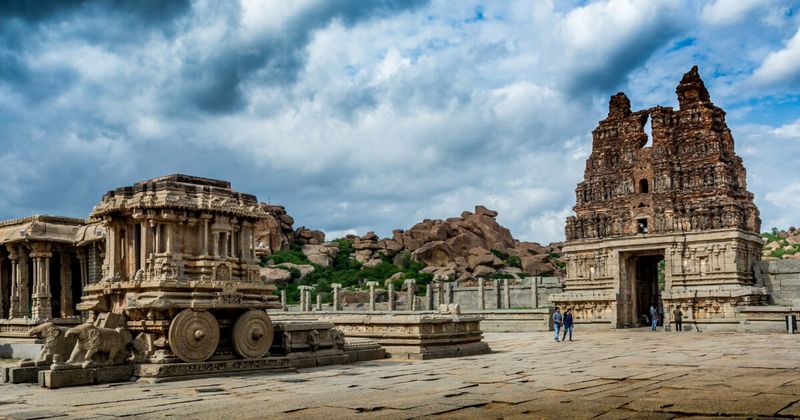
Hampi was one of the world's largest cities in 1565 and was systematically destroyed over five months — what survived is what you walk through today.
Spiti Valley: The Himalayan Cold Desert
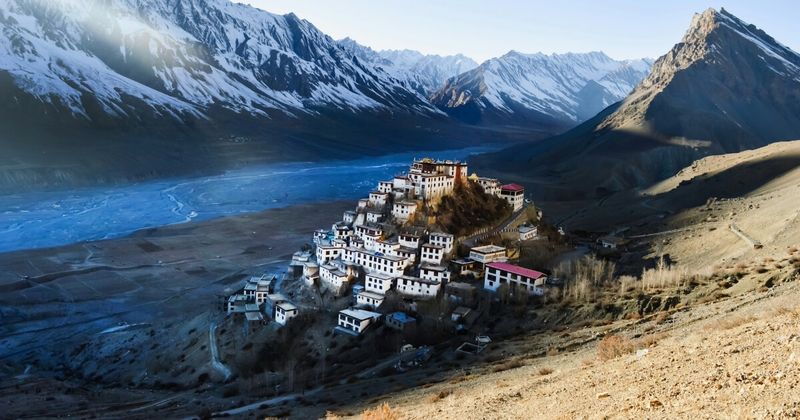
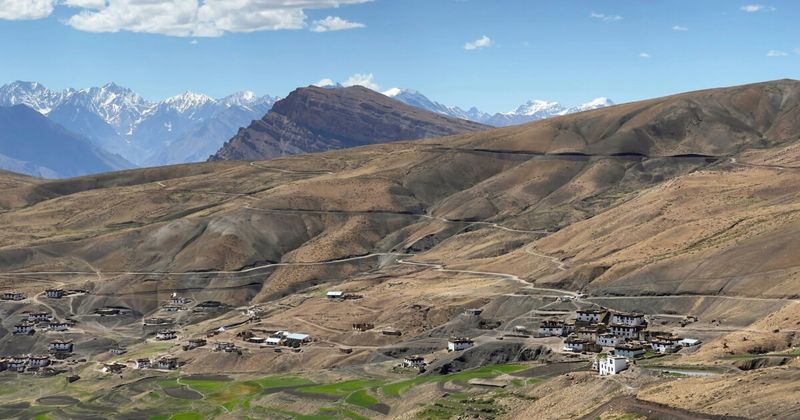
Spiti works for returning India travellers precisely because it has no Golden Triangle equivalent — no monument queue, no auto-rickshaw negotiation at the Taj gate, no organised tour structure. It is high-altitude road travel, mud-brick Buddhist monasteries, and the specific stillness of a place that receives 170mm of rain per year and has no ambient noise infrastructure.
The Gue monastery mummy, Tabo's Dalai Lama-designated murals, the world's highest post office at Hikkim: all covered in our Spiti Valley 7-Day guide.
Tamil Nadu and Pondicherry: The South India That Isn't Kerala
If Kerala was your South India benchmark, Tamil Nadu will reset it entirely. The Dravidian temple architecture — the Brihadeeshwara Temple whose shadow never touches the ground at noon, the Meenakshi Temple's 33,000 painted sculptures, the living coral reef of Chettinad cuisine — is a completely different South India from the backwater houseboats of Alleppey.
Full circuit and all 2026 prices: our Tamil Nadu and Pondicherry 10-Day guide.
Path C suggested sequence (choose one): Rann of Kutch (5 days: Bhuj + White Rann + craft villages + Dholavira) | OR Hampi + Karnataka (10 days: Hampi + Mysore + Coorg + Kabini — full guide in Karnataka 10 Days) | OR Spiti Valley (7 days: full Shimla–Kaza–Manali circuit)
How Long Should Your Second India Trip Be?
The honest answer: longer than your first. Not because the second trip covers more ground, but because the second trip requires less time recovering from the previous day and more time sitting in one place understanding it.
10–12 days: The minimum for a focused second-trip circuit. Path A (Varanasi + Amritsar) or Path C (Rann of Kutch or Spiti) work well in this window.
14–16 days: The optimal window for Path B (Kolkata + Northeast) or the full Karnataka circuit. Allows a rest day mid-trip without sacrificing any destination.
21+ days: The only correct allocation for combining two second-trip paths — for example, Kolkata + Northeast followed by Tamil Nadu, or Varanasi + Amritsar followed by Spiti Valley. Do not combine paths A and B and C in one trip; the logistics work but the depth doesn't.
What to Do Differently on the Second India Trip
Book Accommodation Off the Tourist Strip
On the first trip, staying in the tourist enclave of any Indian city (Paharganj in Delhi, Colaba in Mumbai, Lal Ghat in Udaipur) makes logical sense — the information density is highest where other travellers are. On the second trip, staying one neighbourhood deeper is the right move. The street one block from the tourist strip has the same city at half the price and none of the performance.
In Varanasi: stay at Assi Ghat (south end) rather than Dashashwamedh (the tourist centre) — the area is quieter, the restaurants are better, and the morning walk to the aarti teaches you the geography rather than teleporting you to it.
In Kolkata: stay in the Bhowanipore or Gariahat neighbourhood — South Kolkata, Bengali residential, the city as it lives rather than how it presents.
Eat Where You Couldn't Have Eaten the First Time
The first trip produces a conservative food strategy — you're managing a risk profile you don't fully understand. The second trip is the one where you eat at the dhaba with 30 people and plastic stools and the rotating steel tray that is refilled without asking.
In Kolkata: the specific restaurant you want is any of the mishti shops in the Bhowanipore area, not the tourist-facing ones near New Market. Mishti doi (sweet yoghurt) and sondesh (milk-based sweet) are the two Bengali foods with no equivalent anywhere else in India.
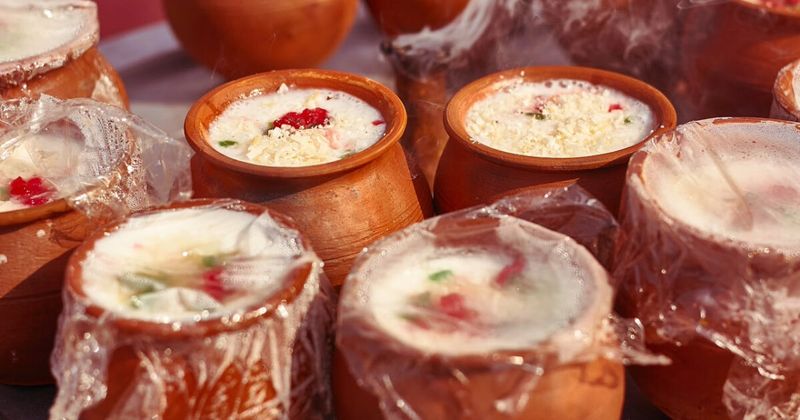
Bengal's milk-based sweet tradition — mishti doi, sondesh, rasgulla, Sandesh — was developed by confectioners known as Moira who have operated in Kolkata for 400 years; no other Indian city has an equivalent depth of sweet-making tradition.
In Varanasi: the street lassi shops in Godhowlia — clay cups, cold, saffron on top, ₹30/$0.32 USD.
Slow Down the Itinerary by 20%
The second India trip's specific planning error is treating the new knowledge you've accumulated as a reason to see more rather than a reason to understand more. You now have the India-navigation skills to cover more ground. Resist this impulse. Three nights in Kolkata with genuine exploration of two neighbourhoods beats five-city circuits at one day each.
Best Time for a Second India Trip
When to Go if Your Second Trip Is Varanasi and Amritsar (Path A)
October–February. The same window as the first trip. November is the sweet spot — post-monsoon clarity, comfortable temperatures, the Golden Temple Diwali illumination (Bandi Chhor Divas in late October) possible with careful planning.
When to Go if Your Second Trip Is Kolkata and Northeast India (Path B)
October–April. October specifically if you can align with Durga Puja (five days in mid-October) — the Kolkata experience during Durga Puja is categorically different from any other time. Meghalaya and Assam are best October–April; avoid May–September monsoon in Meghalaya (the world's most rainfall) unless waterfall photography is specifically the goal.
When to Go if Your Second Trip Is Spiti, Rann of Kutch, or Hampi (Path C)
Spiti Valley: June–October. September is the optimal sweet spot — fewer tourists than July–August, better road conditions than late October.
Rann of Kutch: November–February. The Rann Utsav festival runs November–February; the white desert is at full lunar capacity in December–January (the most visually spectacular months).
Hampi: October–February. November is the best combination of clear light and manageable crowds.
The One Constant Between First and Second Trips
One thing doesn't change between the first and second India trip: the country is too large. Every return visit reveals another 15% of India you hadn't accessed. The Sundarbans delta in Bengal — the largest mangrove forest in the world, the habitat of Bengal tigers who have learned to swim. The Hemis Festival in Ladakh in June. The Brihadeeshwara Temple in Thanjavur at solar noon when the shadow falls inward. The Pushkar Camel Fair in November. The Gangotri Glacier in September.
This is not a problem. This is the specific quality of India as a destination. The country has no bottom. Every return trip finds more. The second India trip is not the last one. It's the one that makes you understand why there will be others.
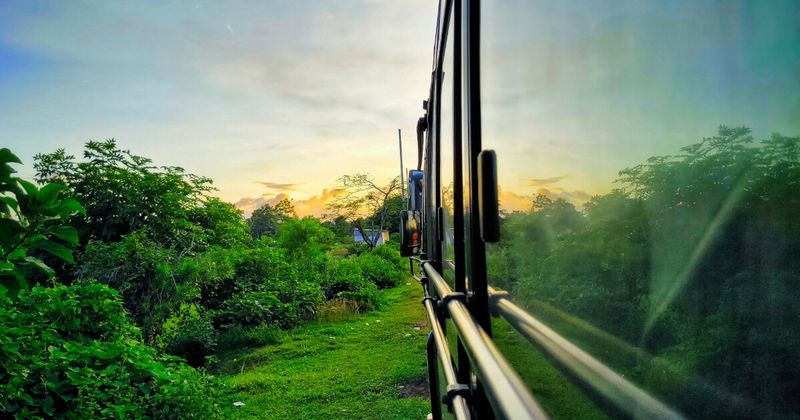
India's rail network carries 25 million people per day — every train window is a different cross-section of the country; the second trip traveller watches differently because they have a reference frame to understand what they see.
Budget Breakdown: The Three Second-Trip Paths
| Path | Duration | Per Person (Budget) | Per Person (Mid-Range) | Flights from |
|---|---|---|---|---|
| Path A: Varanasi + Amritsar | 10–12 days | ₹20,000–30,000 ($213–$319) | ₹50,000–80,000 ($532–$851) | Delhi (DEL) |
| Path B: Kolkata + Northeast | 12–14 days | ₹25,000–40,000 ($266–$426) | ₹65,000–1,00,000 ($691–$1,064) | Kolkata (CCU) |
| Path C: Rann of Kutch | 5–7 days | ₹15,000–25,000 ($160–$266) | ₹40,000–70,000 ($426–$745) | Bhuj (BHJ) via Mumbai |
| Path C: Hampi + Karnataka | 10 days | ₹25,000–45,000 ($266–$479) | ₹65,000–1,10,000 ($691–$1,170) | Bengaluru (BLR) |
| Path C: Spiti Valley | 7 days | ₹15,000–25,000 ($160–$266) | ₹35,000–55,000 ($372–$585) | Delhi (DEL) |
All prices INR. USD at ₹94 = $1. USD approximate.
"Planning your second India trip? Search all routes into Delhi, Kolkata, Bengaluru or Bhuj below."
Check Live Flight Prices
The Bottom Line
The first India trip teaches you that India is unlike anything you've experienced. The second India trip teaches you what India actually is.
The three paths described here are not an exhaustive list. They are a starting framework for a country that has no floor and no ceiling and in which every return visit finds a different country waiting — because you are different, not because India has changed.
Varanasi at the second visit. Kolkata understood. The Rann of Kutch by full moon. Hampi without the logistics overhead. Spiti Valley at the Gue mummy.
The second trip is the one that explains the first.
Your Second India Trip Planning Checklist
🛡️ Insurance: VisitorsCoverage — Get minimum $100K USD cover before booking; second trips often involve more remote destinations with complex evacuation needs. | EKTA — Compare at ektatraveling.com from $0.99/day.
✈️ Flights: FlyFlick — Search routes into Delhi (DEL) for Path A, Kolkata (CCU) for Path B, Bhuj (BHJ) or Bengaluru (BLR) for Path C; open-jaw flights save backtracking. | Compensair — Set delay alerts on all EU-connected departure legs before booking.
🚂 Trains: 12Go Asia — Book all overnight trains (Varanasi, Kolkata circuits, Shimla–Spiti) with international card support; Spiti buses also bookable here.
🚖 Transfers: GetTransfer — Pre-book fixed-fare airport arrivals at any of the five entry cities. | KiwiTaxi — Confirmed for Delhi, Kolkata, Bengaluru, Bhuj airports and intercity routes. | Intui.travel — Day vehicles for Kutch craft circuits, Meghalaya root bridge day trips, Karnataka sightseeing.
🎟️ Experiences: Klook — Kaziranga rhino safari; Varanasi Ganga Aarti boat; Kolkata Durga Puja pandal tour; Hampi entry tickets; Darjeeling steam Toy Train ₹1,405.
📱 Connectivity: Saily — 5G eSIM for all major cities. | Drimsim — Off-grid backup for Meghalaya jungle, Spiti Valley, and Rann of Kutch remote areas where single-carrier SIMs drop.
The second trip is the one that explains the first.