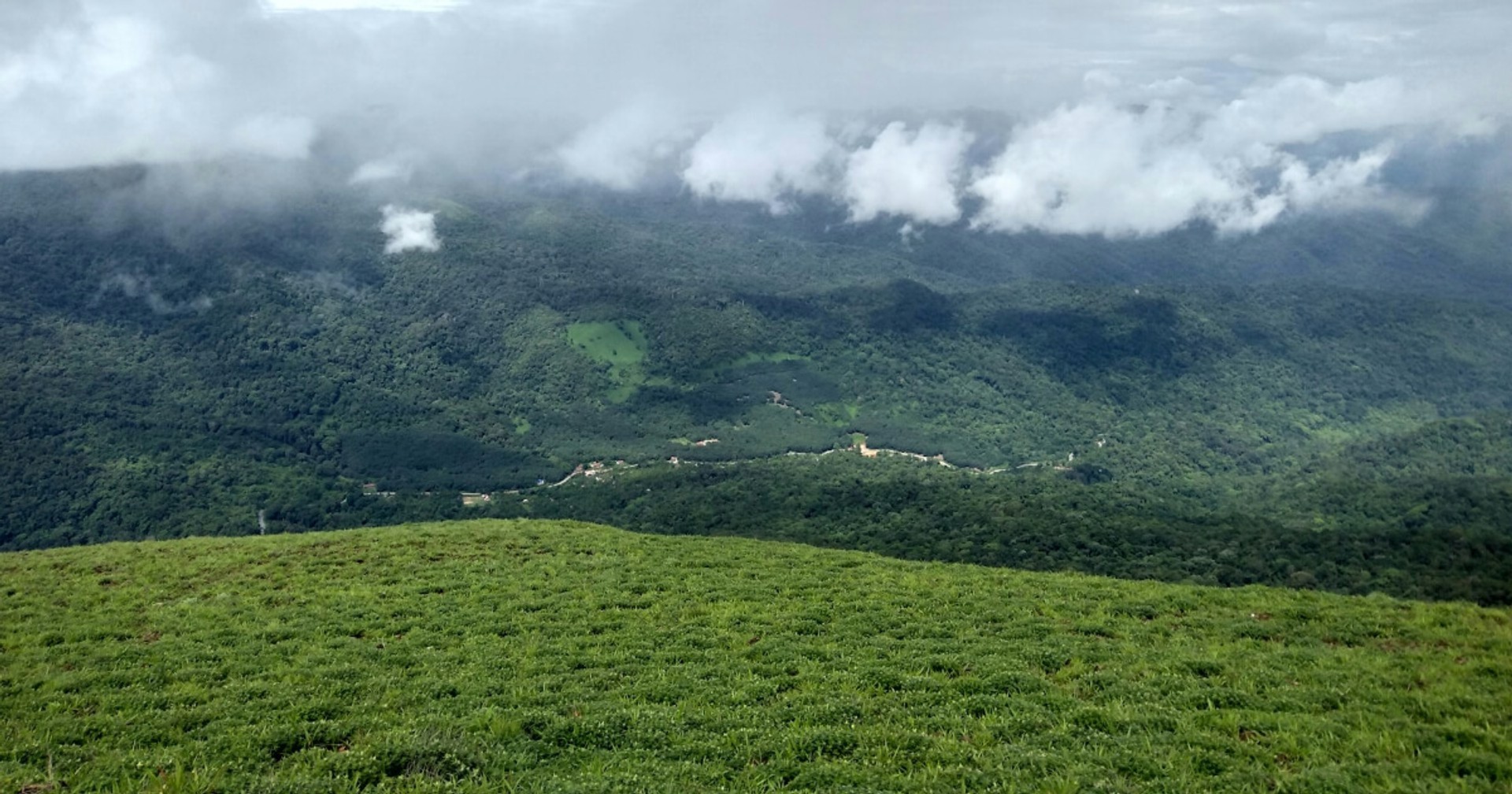

In 1670, a Sufi saint named Baba Budan smuggled seven green coffee beans out of Yemen in his beard.
The Ottoman Empire, which controlled the port of Mocha — the world's coffee capital and the source of most of Europe's supply — had made exporting viable coffee plants or unroasted beans a capital offence. They understood that their monopoly was the monopoly, and they protected it accordingly. Baba Budan was a pilgrim returning from Mecca. He hid seven beans in his beard, boarded his ship, and eventually reached India. He planted those seven beans in the hills above what is now Chikmagalur, 80 kilometres from Coorg. The hills are still called the Baba Budan Hills.
Everything that became India's coffee industry — 350,000 tonnes per year, some of the most sought-after estate coffees in the global specialty market, the Western Ghats landscape that makes Karnataka the most quietly extraordinary state in South India — starts with that specific act of beard-based smuggling.
Most international visitors to India put Karnataka on their list because of Hampi. Which is correct — Hampi is one of the most extraordinary UNESCO sites in Asia and deserves every superlative written about it. But Hampi is one hour in Karnataka's territory. The state continues: Mysore's palace, lit on Sundays with 100,000 bulbs; Coorg's coffee and pepper and cardamom estates layered into the Western Ghats; the Kabini backwaters where leopards are spotted in trees with a frequency that makes wildlife photographers specifically reroute their India circuits.
Ten days across one state, no internal flights, no backtracking.
Sort VisitorsCoverage travel insurance before this trip. Karnataka involves wildlife safaris, mountain driving in Coorg, and the physical demands of Hampi's boulder terrain. Policies from approximately $18–35 USD. EKTA offers a second option from $0.99/day at ektatraveling.com — worldwide, fully digital. Compare both.
10-Day Karnataka Circuit at a Glance
| Day | Location | Focus |
|---|---|---|
| Day 1 | Bengaluru | Arrive; overnight bus to Hampi |
| Day 2-3 | Hampi | Ruins, boulders, Vittala Temple |
| Day 4 | Hampi → Mysore | Transit (5–6hrs), check in |
| Day 5 | Mysore | Palace, Chamundi Hills, Sunday illumination |
| Day 6 | Mysore → Coorg | Transit (3hrs); afternoon plantation walk |
| Day 7-8 | Coorg | Coffee estates, Abbey Falls, Namdroling |
| Day 9 | Coorg → Kabini | Safari (80km from Mysore via Coorg detour) |
| Day 10 | Kabini → Bengaluru | Depart; final safari or return |
Getting In: Bengaluru as the Hub
Bengaluru's Kempegowda International Airport (BLR) receives direct international connections from London, Dubai, Singapore, and across Southeast Asia. Search and book on FlyFlick. Set a Compensair alert — BLR has heavy traffic and EU-connected return legs carry full delay compensation eligibility.
Book your BLR arrival transfer through GetTransfer or KiwiTaxi — confirmed for BLR with fixed-fare pre-booked vehicles. The airport sits 30+ kilometres from the city centre and the taxi touts in arrivals are among India's most persistent.
Activate Saily 5G eSIM before landing — excellent coverage across Bengaluru, Mysore, and Karnataka's major routes. Drimsim covers the Coorg hill roads and Kabini forest zone where single carriers drop.
Days 1–3: Hampi — The Ruins That Survived Everything
For the complete Hampi guide with all site details, timings, and 2026 prices — read our dedicated Hampi in 2 Days guide. What follows is the Karnataka circuit framing.
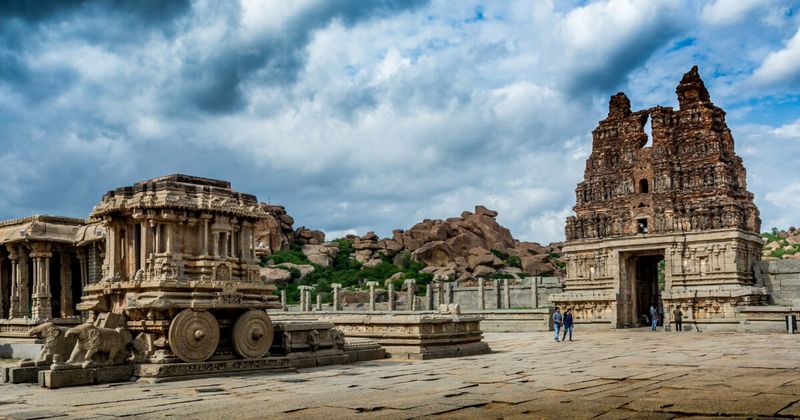
The Vittala Temple was never consecrated — construction was interrupted by the 1565 destruction of the Vijayanagara Empire; the complex was built as a demonstration of cultural supremacy, not a functioning shrine.
Day 1: Bengaluru → Hampi (overnight).
Don't try to do anything in Bengaluru on Day 1. Land, transfer to your hotel, eat, sleep early. The overnight bus to Hospet (for Hampi) departs Bengaluru's Majestic bus stand at approximately 9–10pm. Operators: KSRTC (government), VRL, SRS. Cost: ₹600–1,200 ($6.38–12.77 USD) for Volvo semi-sleeper; ₹1,200–1,800 ($12.77–19.15 USD) AC sleeper. Book on 12Go Asia. The bus arrives Hospet by 6–7am — exactly in time for Hemakuta Hill at dawn.
Days 2–3: Hampi.
The essential circuit in 2 days:
Day 2: Hemakuta Hill at dawn (free, sunrise) → Virupaksha Temple morning aarti (free) → breakfast in Hampi Bazaar → Vittala Temple (₹500 foreigners, 8:30am–5:30pm; Stone Chariot + 56 musical pillars from solid granite) → afternoon rest → Matanga Hill sunset (free, 20-minute climb, best panorama in Hampi).
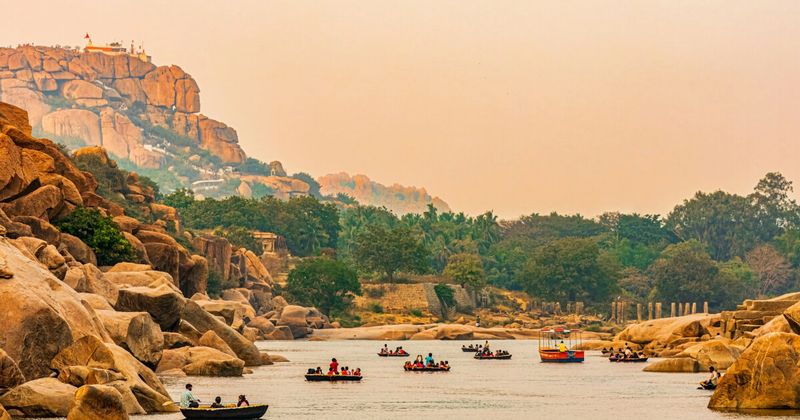
Day 3: Virupaksha at sunrise again → Elephant Stables + Lotus Mahal + Zenana Enclosure (₹600 single ticket, 6am–6pm) → Hazara Rama Temple (free) → Queen's Bath (free) → Tungabhadra coracle crossing (₹30/person) → afternoon boulder scramble.
Scooter rental: ₹300–450/day — mandatory for covering 26 square kilometres. Non-negotiable.
The one fact about Hampi that sets the right context for the rest of this circuit: the Vijayanagara Empire that built Hampi — the largest city in South Asia in 1565 — was defeated and systematically destroyed in five months. The Portuguese, who traded with it, wrote that it was the greatest city they had seen in the world. Two years after its destruction, an Italian merchant found only ruins and tigers. Karnataka absorbs this history and moves on. The coffee estates and the palace and the forest were all built on the other side of that.
Days 4–5: Mysore — The Palace That Rebuilt Itself Four Times
Day 4: Hampi → Mysore. The most practical route: morning bus from Hospet to Bengaluru (5–6hrs), then a fast train or road connection south to Mysore (3hrs by train or 2.5hrs by road). Alternatively, direct Hospet–Mysore bus services run daily (8–9hrs). Book through 12Go Asia for the train segments. KiwiTaxi or Intui.travel for the intercity vehicle if you prefer road-to-road without changing modes. Arrive Mysore by afternoon, check in.
Mysore is a city that rewards slow walking. The streets around the palace are wide and colonial — the British and the Wodeyar kings collaborated on the city's layout, which explains why a 16th-century royal capital has tree-lined boulevards and a racecourse. Budget guesthouses near the palace: ₹800–1,500 ($8.51–15.96 USD). Midrange: ₹3,000–6,000 ($31.91–63.83 USD). If your Day 4 arrival is a Sunday, go to the palace at 7pm for the illumination — the most spectacular free event in Karnataka.
Day 5: Mysore Palace, Chamundi Hills, Srirangapatna.
Mysore Palace (Amba Vilas Palace): 10am. Entry for foreigners: ₹200 ($2.13 USD) — verify at gate as fees occasionally update. Open 10am–5:30pm daily. Audio guide included in the foreigner ticket price. Photography prohibited inside the main building; all exterior photography permitted.
The current Mysore Palace is the fourth version of the structure on this site. The first was built of wood in the 14th century. It burned in 1638, struck by lightning. The third version burned in 1897 — during the wedding of the Maharaja's eldest daughter, when fireworks started a blaze that consumed the entire structure in hours. The queen regent commissioned British architect Henry Irwin to design a replacement. He built in Indo-Saracenic style — Hindu, Islamic, Rajput, and Gothic elements fused into a single architectural vocabulary — and finished it in 1912 at a cost of ₹41,47,913. The royal family paid entirely from their own treasury.
Inside: the Durbar Hall with Czech crystal chandeliers; Scottish stained glass in the ceiling; carved doors from Nepal; floor tiles from England; the Kalyanamantapa (Marriage Hall) with its peacock-motif painted ceiling. The 280-kg solid gold throne — the Ratna Simhasana, encrusted with rubies, diamonds, and emeralds — is displayed only during the Dasara festival in October. The rest of the year it stays in a vault.
Sunday illumination: free, 7–8pm. Position yourself on the pavement facing the palace's main facade by 6:45pm. At 7pm, 100,000 bulbs light simultaneously. The palace goes from stone to gold in a second. The scale is only apparent at night.
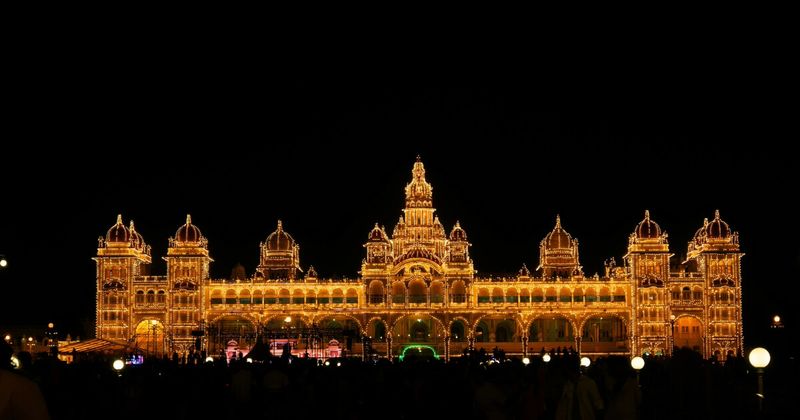
The palace illumination tradition began in 1905 to celebrate the Dasara festival and has continued every Sunday since; the Wodeyar dynasty that commissioned the building still occupies a private wing.
Pre-book the guided palace tour through Klook — includes expert commentary on the 400-year Wodeyar dynasty history that the entry plaques reduce to a caption.
Chamundi Hill: 3pm. The hill temple southeast of Mysore — 1,000 steps to the summit or a 10-minute drive. Free entry. The Chamundeshwari Temple at the top is Mysore's most important religious site. Halfway up the steps: an 5-metre Nandi (bull) carved from a single block of black granite in 1659, with enough space to walk around three times and still not fully appreciate the carving quality. The view from the summit over Mysore and the Deccan plateau is the city's best geography lesson.
Srirangapatna: optional Day 5 afternoon. 16 kilometres from Mysore — the island fortress that was Tipu Sultan's capital. Tipu Sultan (1750–1799) was the most formidable opponent the British East India Company faced in South India: he allied with Napoleon, used rockets in warfare 50 years before the Europeans adapted them, and died fighting at his own gates when the British finally breached Srirangapatna in 1799. His summer palace (Daria Daulat Bagh) and the fort remains are free to walk. Entry to the Daria Daulat museum: ₹100 foreigners ($1.06 USD). Worth 2 hours if you're interested in the specific history of the British conquest of South India.
Day 6: Mysore to Coorg — The Scotland of India Argument
Coorg is called the Scotland of India, which is one of those comparisons that works better in marketing than geography — Coorg is warmer, greener, and far more aromatic. But the "Scotland" tag captures something accurate about the landscape: it's hill-station territory that rewards slow driving and has the kind of air quality that makes you inhale differently.
The drive from Mysore to Madikeri (Coorg's main town) covers approximately 120 kilometres and takes 3 hours through the Deccan foothills and into the Western Ghats. Book a vehicle through Intui.travel — the Coorg roads are good but winding in the final hour; a driver who knows them makes the approach comfortable. The road passes through the Nagarhole buffer zone (elephants occasionally cross) and the first coffee plantation smells begin appearing 40 kilometres before Madikeri.
Arrive Madikeri (Coorg) by early afternoon. Check into your plantation stay or guesthouse. Coorg accommodation spans: budget homestays (₹800–1,500/$8.51–15.96 USD) to midrange plantation stays (₹3,000–7,000/$31.91–74.47 USD) to luxury eco-resorts (₹12,000+/$127.66+ USD). The plantation homestay category — staying on a working coffee estate — is the most authentic and often competitively priced with city hotels.
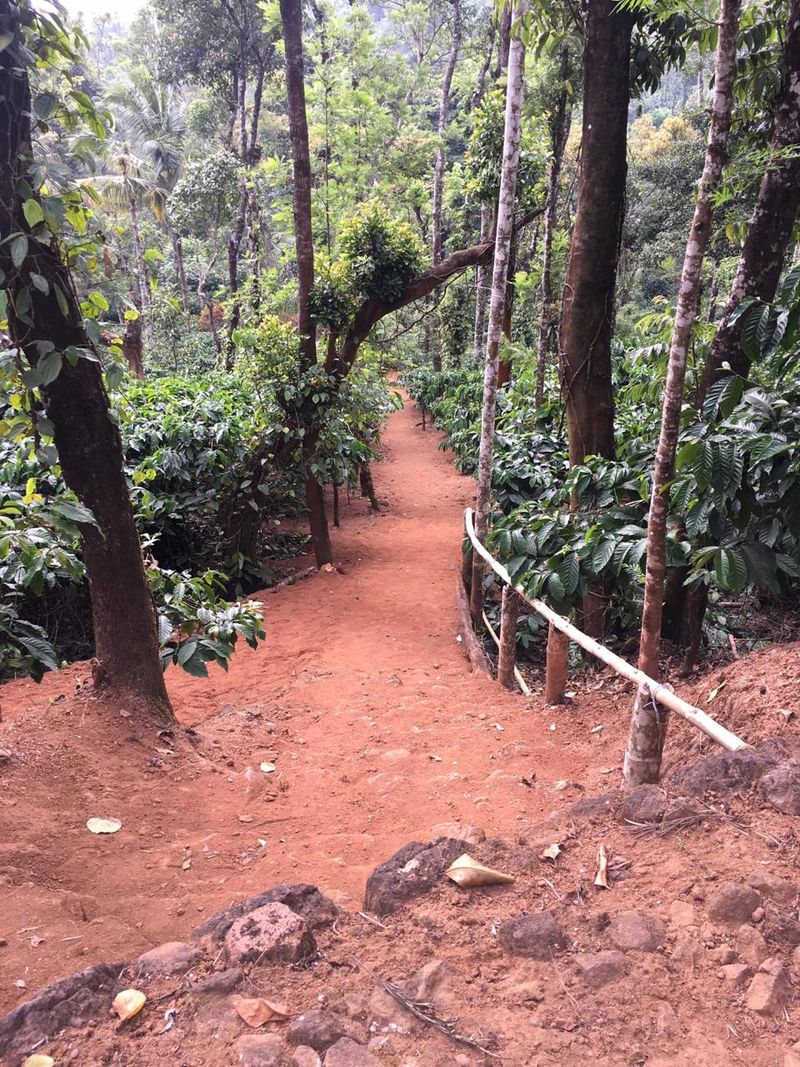
Coffee grown in Coorg under a shade-grown system — where tall trees shelter the coffee from direct sun — produces a slower-maturing bean with significantly more complex flavour than sun-grown mass-production varieties.
Afternoon: first plantation walk. Don't save it for tomorrow. Walk into the estate immediately on arrival. The smell of ripe coffee cherries (which are actually a fruit — each cherry contains two beans) and the pepper vines and cardamom and vanilla all growing simultaneously in the same forest-garden system is one of the more disorienting sensory experiences in India. Nothing else in the country smells like this.
Check Live Flight Prices
Days 7–8: Coorg — Two Kinds of Coffee and One Tibetan Monastery
Day 7: Coffee estates in depth.
Mercara Gold Estate (Madikeri area): 9am. The most accessible and internationally respected estate tour in Coorg — 8 kilometres from Madikeri's bus stand. Tour cost: approximately ₹500 ($5.32 USD) per person; includes plantation walk, processing factory visit, and tasting. Duration: 1.5–2 hours. Book through Klook.
The tour covers: the two main coffee varieties (Arabica — grown at higher elevations, more delicate flavour; Robusta — lower elevation, higher yield, the base for most commercial Indian coffee); the harvesting process (picking done entirely by hand, one cherry at a time — experienced pickers manage 30–35kg of cherries per day for a 60-day harvest window); wet processing (the pulp removed from the cherry before fermentation); dry processing (the traditional method where cherries are spread on raised drying tables for up to 6 weeks); and roasting.
The most important thing to understand about Coorg coffee: the shade-grown system is not a marketing term. Coffee grown under the canopy of the native forest trees — the same trees that shelter pepper, cardamom, vanilla, and silver oak — produces a slower-ripening cherry that concentrates flavour compounds the direct-sun crops can't achieve. The tree canopy also maintains the soil moisture and temperature that prevents the need for synthetic fertilisers. It's the original sustainable agriculture, and it produces the reason specialty coffee buyers specifically request Karnataka estate lots.
Here is the Baba Budan context that the estate guide won't tell you: India's first coffee plant was those seven beans from Baba Budan's beard, planted in the Chikmagalur hills in 1670. The Dutch East India Company eventually got seeds from Yemen through different means in 1616 — 54 years before Baba Budan — but planted in their colonies in Sri Lanka and Java, not India. What Baba Budan planted became the Indian coffee tradition. What you're tasting on this estate tour is 350 years downstream from a Sufi saint's act of agricultural smuggling.
Buy coffee at the estate shop. Look for estate-specific single-origin lots rather than blended "Coorg coffee" — these are traceable to a specific farm and elevation. Budget ₹300–1,000 ($3.19–10.64 USD) for 250g; worth every rupee.
Abbey Falls: 2pm. 8 kilometres from Madikeri, ₹10–20 ($0.11–0.21 USD) entry. A 70-metre waterfall in the middle of coffee and spice estate land — the estate plants are visible right up to the viewing platform. Impressive in post-monsoon (October–November) when the flow is full; a pleasant walk even in February–March at reduced flow. Not worth the 1-hour queue on weekends — go on a weekday morning.
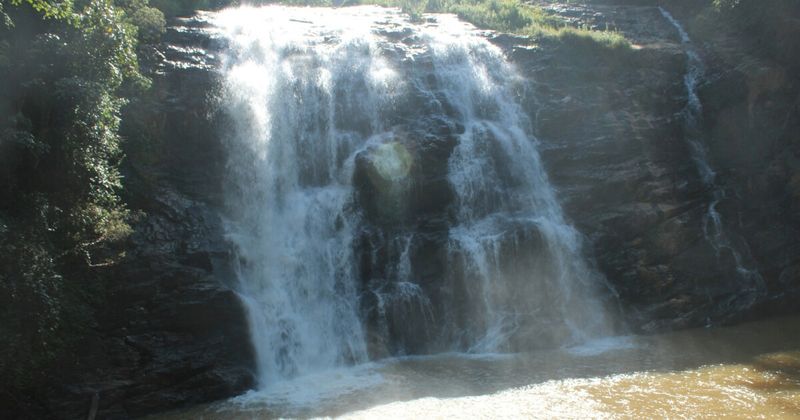
The waterfall sits on the boundary between two private coffee estates whose owners have maintained visitor access for decades despite the commercial value of the land.
Raja's Seat: 5pm. The formal garden and viewpoint above Madikeri from which the Kodava kings watched sunsets over the Western Ghats valleys. Small entry fee (₹20/$0.21 USD). The sunset view over the forested valley system — the coffee and spice estates visible as a patchwork of different greens on the slopes below — is Coorg's version of Matanga Hill: not the most dramatic view you'll see on this circuit, but the one that shows you the specific geography of where you are.
Day 8: Namdroling Monastery, Madikeri Fort, and the slow afternoon.
Namdroling Monastery, Bylakuppe: morning. 70 kilometres from Madikeri — a 2-hour drive worth the detour. Bylakuppe is the largest Tibetan refugee settlement in India outside Dharamsala, established in 1961 following the Chinese occupation of Tibet. Namdroling Monastery within the settlement contains the Golden Temple (Zangdog Palri) — a three-storey structure with three 18-metre gilded statues of Buddhas seated within, the interior walls covered in gold leaf and thangka paintings that took 13 years to complete. Entry: free. Photography permitted in the outer halls, not near the main statues.
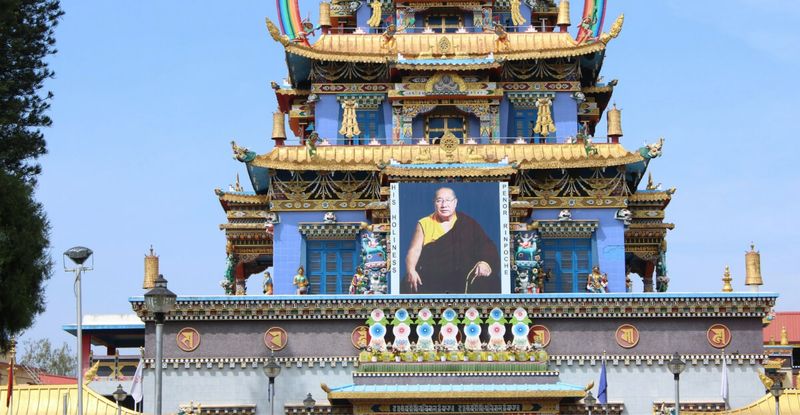
Bylakuppe was established in 1961 when Nehru granted land to Tibetan refugees — the settlement now houses 70,000 Tibetans and is the largest such community outside Tibet itself.
It is not, in any way, what most visitors expect to find 70 kilometres from a coffee estate in Karnataka. The presence of a Tibetan city — complete with its own schools, shops, restaurants serving Tibetan food, and monks in maroon robes — in the middle of South India is a specific consequence of Indian foreign policy (Nehru gave Tibetan refugees land grants here in 1961) and represents the most significant Tibetan community outside Tibet itself.
Madikeri Fort: afternoon. Free entry. The fort built by Mudduraja in 1681 — later reconstructed by Tipu Sultan — sits at the centre of Madikeri town. The views from the battlements over the town and the surrounding hills are the practical reason to visit; the fort itself is modest in scale but historically grounding in its Kodava-Tipu Sultan-British layered history.
Slow afternoon on an estate. Budget an unscheduled half-afternoon in Coorg. Sit on a plantation veranda. Order a pour-over made from estate beans. Watch the mist move in from the Western Ghats valleys. This is what Coorg charges for in accommodation and what it delivers without effort.
Day 9: Kabini — Where the Leopards Are
Kabini — the backwaters of the Nagarhole National Park reservoir — is 80 kilometres from Mysore and 120 kilometres from Madikeri. For the Karnataka circuit, it fits naturally between Coorg and the Bengaluru return: depart Coorg morning, arrive Kabini by noon, afternoon safari, night at the Kabini riverside.
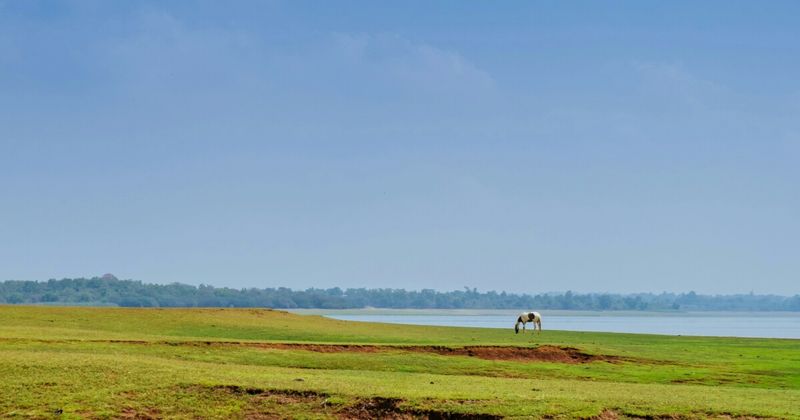
Kabini's leopard population is habituated to tourist vehicles after decades of regulated safari traffic, making daylight sightings significantly more likely here than at most Indian reserves.
The Kabini backwaters are one of India's premier wildlife photography destinations. The specific ecological reason: the dry season (March–May) concentrates animals at the water's edge as other water sources dry up. But the post-monsoon months (October–December) are considered optimal for overall wildlife activity and leopard sightings in the trees along the riverbank.
Kabini is part of the Nagarhole National Park and Tiger Reserve — 643 square kilometres of mixed deciduous forest and grassland. The park contains: Indian elephant, gaur (Indian bison — the largest bovine species in the world), the Indian leopard, Bengal tiger (present but not commonly seen), dholes (Indian wild dogs), and the Kabini backwaters' famous large crocodile population.
Safari options:
Jeep safari (the standard experience): ₹2,000–₄,000 ($21.28–₄2.55 USD) per person depending on operator and season. Departs 6:30am and 3:30pm (two slots daily). Maximum 6 passengers per jeep with a certified naturalist. Book through Klook — the government quota jeeps sell out 3–4 weeks ahead.
Boat safari on the Kabini backwaters: ₹600–₁,200 ($6.38–₁2.77 USD) per person, 1.5 hours. The boat moves along the reservoir's edge at dawn or dusk when animals come to the water. Elephants drinking at the bank 20 metres from a silent boat. Leopards in the trees along the shoreline. This is the most distinctive Karnataka wildlife experience and the one most wildlife photographers specifically plan for.
The Kabini leopard population is notable in Indian wildlife circles for a specific reason: they have habituated to tourist vehicles over decades of regulated safari traffic and are visible in daylight in a way that most Indian leopard populations are not. Spotting a leopard in a tree at Kabini at 7am with good light is a realistic expectation, not an optimistic one. Spotting a tiger at Kabini is not — manage expectations accordingly.
Accommodation: Jungle Lodges & Resorts (Karnataka government) from ₹3,500 ($37.23 USD); private eco-camps along the backwaters from ₹5,000–15,000+ ($53.19–159.57+ USD).
Day 10: Kabini to Bengaluru — The Return
The drive from Kabini to Bengaluru covers approximately 220 kilometres — 4–4.5 hours on the Mysore–Bengaluru highway. This is one of Karnataka's best roads: a divided 4-lane highway where the driving is straightforward. Book your return vehicle through Intui.travel or KiwiTaxi for a fixed-fare confirmed transfer.
Do the morning safari before departure. The 6:30am jeep or boat slot returns by 8:30am — enough time for breakfast at the lodge and a 9:30am departure that puts you in Bengaluru by 2pm. This leaves time for late afternoon flights from BLR or a transit hotel night before an early morning international departure.
Book your BLR departure transfer through GetTransfer — the airport-to-city distance in Bengaluru means 45–75 minutes by car and significantly more in traffic.
Hoysala Option: Add Belur and Halebidu
If your 10 days have enough flexibility — or if you can extend to 12 — the Hoysala temple circuit (Belur and Halebidu, 220 kilometres north of Mysore) adds a third chapter of Karnataka's architectural history.
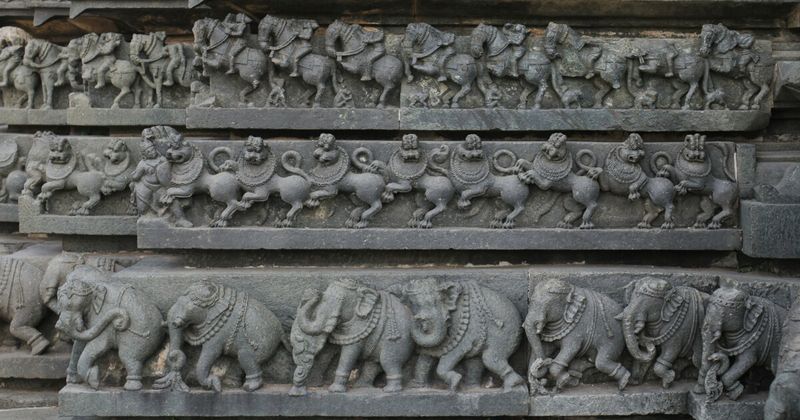
The Hoysaleswara Temple at Halebidu was built over 100 years (1121–1160 CE) and was never completed — the incomplete upper shikhara is still visible on the eastern shrine, interrupted by the Khalji invasion of 1310.
The Hoysala Empire (11th–14th century) produced a carved stone tradition that has no equivalent in India. The Chennakesava Temple at Belur and the Hoysaleswara Temple at Halebidu are covered in continuous figural carving — every horizontal surface on the exterior covered in rows of elephants, horses, lions, mythological scenes, and musicians, each row different, running unbroken around the entire temple. The carving is in soap-stone (soapstone softens when quarried but hardens permanently on exposure to air), which allowed the Hoysala craftsmen to achieve a level of intricate detail that hard granite never permits.
Entry: foreigners ₹300–400 ($3.19–4.26 USD) per temple. The temples are 50 kilometres apart on a single road — doable in a day from Mysore or as an overnight extension inserting between Mysore and Coorg.
What to Skip in 10 Days
Coorg's Thadiyandamol Trek. The highest peak in Coorg at 1,748 metres — a full-day trek with a certified guide required. Excellent, but competes directly with the coffee estate and monastery day and doesn't strengthen the circuit's three-anchor logic (ruins, palace, coffee). Save for a dedicated Coorg trip.
Chikmagalur separately. Chikmagalur's coffee estates and the Baba Budan Hills are extraordinary but 130km from Coorg and require a separate circuit from Bengaluru via Hassan. This Karnataka circuit stays south. Chikmagalur deserves its own 3-day trip.
Multiple Bengaluru days. Bengaluru is India's technology capital and has a genuinely good restaurant and café scene. It also rewards 2–3 days for those interested in contemporary India. For this circuit, it's transit-only — the sites are outside the city.
Dubare Elephant Camp. 33 kilometres from Madikeri — an elephant interaction experience where you can bathe elephants in the Cauvery River. Ethically contested (the elephants are captive-kept). If wildlife is your goal, direct that day to Kabini's wild sightings.
Pace and Burnout: Managing 10 Days in Karnataka
Karnataka's specific burnout pattern: most visitors overpack the Mysore day (palace + Chamundi + Srirangapatna + Brindavan Gardens in 8 hours) and arrive in Coorg depleted. The palace and Chamundi Hill constitute a full day. Srirangapatna is a Day 5 afternoon extension if you have energy. Brindavan Gardens (the famous musical fountain garden) is pleasant but not a priority on a first Karnataka visit.
The Coorg pace is non-negotiable. Coffee country operates slowly because the coffee itself takes time — from cherry to cup is weeks, months in the traditional dry process. Arriving in Coorg with a packed schedule of 8 sights per day misses what the region offers. The correct schedule: one anchor site per morning, one per afternoon, and one unscheduled hour of plantation sitting per day.
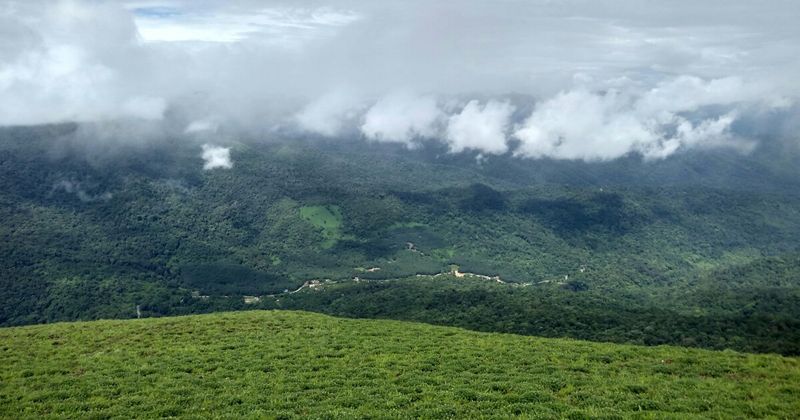
The Western Ghats are one of the world's eight biodiversity hotspots — the mountain range that gives Coorg its mist and its coffee climate hosts over 5,000 species of flowering plants found nowhere else on earth.
Best season: October–March. October–December is post-monsoon — the coffee harvest season, when cherries are red on the bushes and the estates are in full activity. November–February is clear-sky season across Karnataka with the best Hampi boulder conditions and peak wildlife activity at Kabini. March is warm and still lovely. Monsoon (June–September) turns Coorg into a waterfall and makes the Hampi boulder paths slippery.
For connecting Karnataka to other South India destinations — our Kerala 7-Day guide continues the circuit from Coorg southward through the Western Ghats.
10-Day Karnataka Budget Breakdown
| Expense | Budget | Mid-Range |
|---|---|---|
| International flights (return BLR) | Search FlyFlick | varies |
| BLR airport transfers | ₹400–800 ($4.26–6.38) | ₹1,500–2,500 GetTransfer/KiwiTaxi |
| Bengaluru → Hampi overnight bus | ₹600–1,200 ($6.38–12.77) | ₹1,200–1,800 ($12.77–19.15) |
| Hampi accommodation (2 nights) | ₹700–1,500 ($7.45–15.96)/night | ₹2,000–4,000 ($21.28–42.55)/night |
| Hampi monuments | ₹1,100 ($11.70) total (Vittala + Royal Centre) | ₹1,100 ($11.70) |
| Scooter rental Hampi (2 days) | ₹600–900 ($6.38–9.57) | — |
| Hampi → Mysore vehicle | ₹350–450 ($3.72–4.79) shared | ₹3,500–4,500 Intui.travel full |
| Mysore accommodation (2 nights) | ₹800–1,500 ($8.51–15.96)/night | ₹3,000–6,000 ($31.91–63.83)/night |
| Mysore Palace (foreigners) | ₹200 ($2.13) | ₹200 + Klook guide |
| Mysore → Coorg vehicle | ₹350–450 ($3.72–4.79) shared | ₹3,000–4,000 Intui.travel |
| Coorg accommodation (3 nights) | ₹800–1,500 ($8.51–15.96)/night | ₹3,000–7,000 ($31.91–74.47)/night |
| Coffee estate tour (2 tours) | ₹400–1,000 ($4.26–10.64) | ₹1,000–1,500 ($10.64–15.96) |
| Abbey Falls entry | ₹20 ($0.21) | ₹20 ($0.21) |
| Namdroling Monastery | Free | Free |
| Coorg → Kabini vehicle | ₹350–450 ($3.72–4.79) shared | ₹3,500–4,500 Intui.travel |
| Kabini accommodation (1 night) | ₹3,500 ($37.23) Jungle Lodge | ₹7,000–₁5,000 ($74.47–159.57) eco-resort |
| Kabini jeep safari | ₹2,000 ($21.28) | ₹3,000–4,000 ($31.91–42.55) |
| Kabini boat safari | ₹600 ($6.38) | ₹1,200 ($12.77) |
| Kabini → Bengaluru vehicle | — | ₹4,000–5,000 KiwiTaxi |
| Food (10 days) | ₹300–500 ($3.19–5.32)/day | ₹800–1,500 ($8.51–15.96)/day |
| Travel insurance | VisitorsCoverage/EKTA from ~$18 | from ~$18 |
| 10-day total per person (excl. int'l flights) | ₹25,000–45,000 ($266–$479) | ₹65,000–1,10,000 ($691–$1,170) |
All prices INR. USD at ₹94 = $1. INR prices are reliable; USD prices are approximate.
Check Live Flight Prices
The Bottom Line
The standard India circuit goes to Rajasthan. The standard South India circuit goes to Kerala. Karnataka is the one that doesn't fit either narrative and is, for that reason, less crowded, more varied, and quietly more rewarding than either.
Hampi was the largest city on earth's subcontinent and was systematically destroyed in five months. The Stone Chariot is what the destroyers couldn't finish. Mysore's palace burned three times and was rebuilt each time more grandly than before. Coorg's coffee industry traces back to a Sufi saint's beard. Kabini's leopards sit in trees in daylight because the forest was protected long enough for them to stop fearing us.
Ten days in one state. No internal flights. No backtracking. The circuit is clean.
Your Karnataka Trip Planning Checklist
🛡️ Travel Insurance — First, Always: VisitorsCoverage — Wildlife safari and mountain driving need minimum $100K USD medical; from ~$18–35 USD | EKTA — Second option from $0.99/day at ektatraveling.com; worldwide coverage, 24/7 support. Compare both.
✈️ Flights & Delay Protection: FlyFlick — Fly into Bengaluru (BLR); check open-jaw options if combining Karnataka with Kerala (Kochi/COK) | Compensair — Claim up to €600 for delayed/cancelled flights.
🚌 Overnight Bus Hampi — Book 2–3 Weeks Ahead: 12Go Asia — Bengaluru → Hospet overnight Volvo semi-sleeper ₹600–₁,200; Hampi Express train Bengaluru Yeshwantpur → Hospet ₹250–₇00; book return simultaneously.
🚖 Transfers: GetTransfer — BLR airport fixed-fare arrival and departure | KiwiTaxi — Confirmed for BLR; Kabini → Bengaluru return | Intui.travel — Hampi → Mysore, Mysore → Coorg, Coorg → Kabini; all intercity road legs with fixed-fare drivers.
🎟️ Experiences to Pre-Book: Klook — Mysore Palace guided tour; Vittala Temple entry ₹500 Hampi; coffee estate tour Coorg ₹200–₅00; Kabini jeep safari ₹2,000–₄,000 (books out 3–4 weeks ahead); Kabini boat safari.
📱 Connectivity: Saily — 5G eSIM; excellent across Bengaluru, Mysore, and Karnataka highways | Drimsim — Off-grid eSIM; essential for Coorg hill roads and Kabini forest zone.
One state. Four completely different Indias. No backtracking.