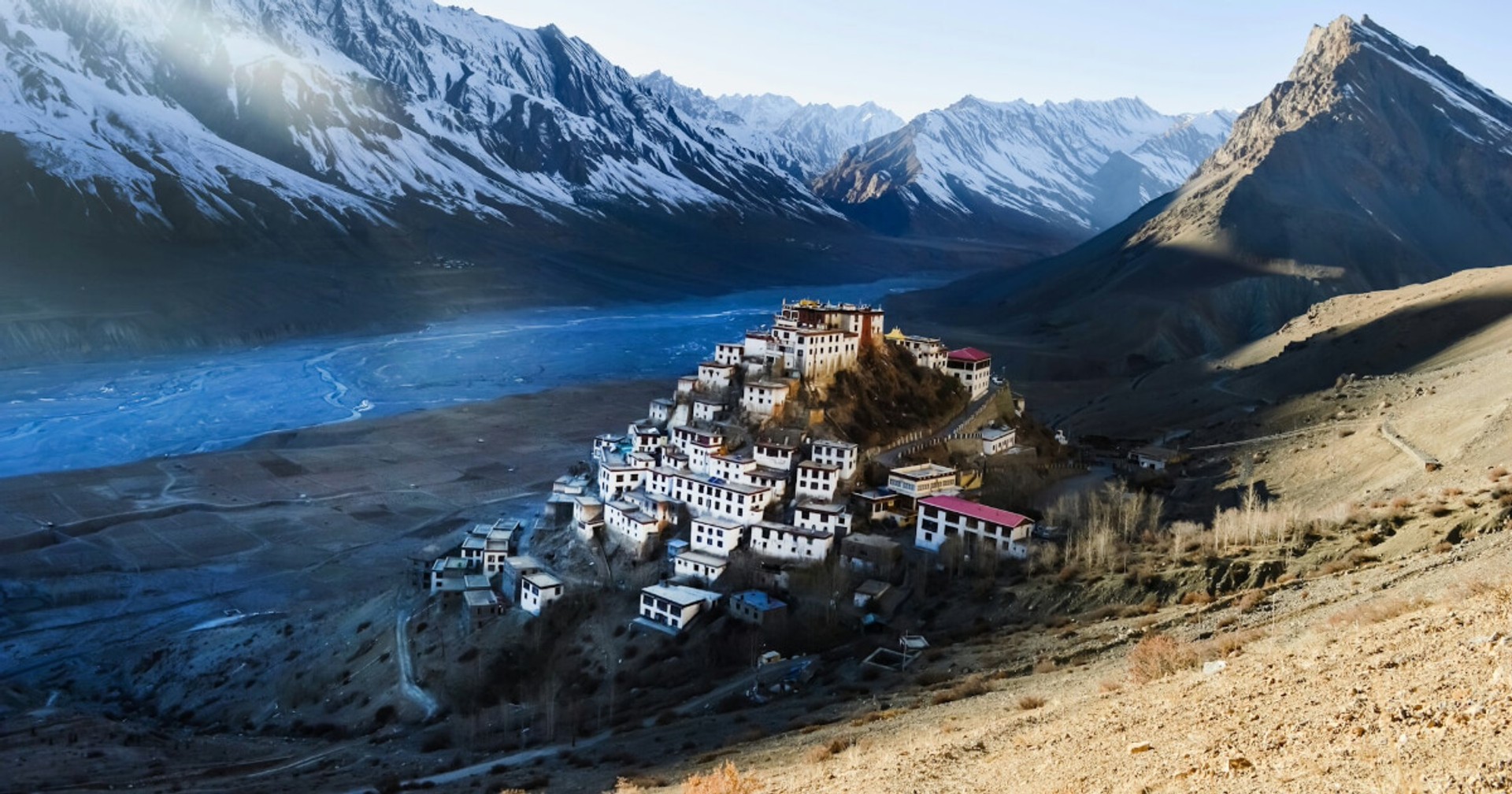

In 1975, an earthquake cracked open a cave near Gue village in Spiti Valley.
Inside was Sangha Tenzin — a Buddhist monk who had died approximately 500 years earlier, seated in a full meditation posture, his skin, hair, and teeth intact. The mummification is attributed to a deliberate practice: progressive dietary restriction over years, combined with herbs and compounds that made the body inhospitable to the bacteria and insects that would normally cause decomposition. The monk died slowly, in meditative stillness, at an altitude where the cold and desiccating air completed what his practice had begun.
Sangha Tenzin is the only intact Buddhist monk mummy in India. He is housed in a small monastery in Gue village, 50 kilometres from Kaza, near the Tibet border. Entry is free. Most Spiti guides mention him in a bullet point.
The Tabo Monastery — founded in 996 AD in a desert village at 3,280 metres — contains frescoes that UNESCO has identified as among the most significant Buddhist art in the world. In 1996, the Dalai Lama visited and declared it should be preserved as "a second Ajanta" — the only monastery in India to receive that designation. Most guides call it "1,000 years old" and list the opening hours.
The fossils at Langza village are from the Triassic period, 252–201 million years ago, from when the terrain now sitting at 4,500 metres was the floor of the Tethys Ocean, before the Indian tectonic plate drove the seabed skyward into the highest mountain range on earth. Most guides list Langza as a "fossil village" alongside Hikkim post office.
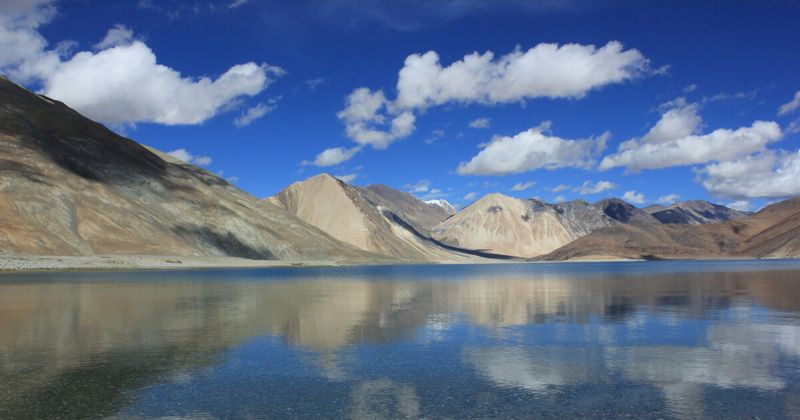
Spiti Valley is not the place that most of its travel writing describes. It is a cold desert valley in Himachal Pradesh that sits at an average altitude of 4,000 metres, receives less than 170mm of rainfall annually, and contains the oldest, most remote, and most archaeologically layered Buddhist culture in India. The driving is brutal. The altitude is real. The reward for planning this properly is a landscape and a cultural experience that has no equivalent in the Indian Himalaya.
Seven days is enough to understand the difference between visiting and knowing Spiti. Here is how to plan it properly.
Travel insurance first. VisitorsCoverage — mandatory for high-altitude travel above 4,000m; confirm your policy covers acute mountain sickness hospitalisation and emergency evacuation; from approximately $25–50 USD. EKTA offers a second option from $0.99/day at ektatraveling.com — verify altitude and evacuation cover before purchasing. Do not enter Spiti without confirmed high-altitude medical cover.
7-Day Spiti Circuit at a Glance
| Day | Location | Altitude | Focus |
|---|---|---|---|
| 1 | Delhi → Shimla overnight | 2,200m | Transit + acclimatise |
| 2 | Shimla → Reckong Peo/Kalpa | 2,670m | Kinnaur entry, Kinner Kailash views |
| 3 | Kalpa → Nako → Tabo | 3,660m → 3,280m | River gorge, Nako Lake, Tabo Monastery |
| 4 | Tabo → Dhankar → Kaza | 3,890m → 3,800m | Cliff monastery, Pin Valley, Kaza base |
| 5 | Kaza base | 3,800m | Key Monastery, Kibber, Komic, acclimatise |
| 6 | Langza → Hikkim → Chandratal | 4,550m → 4,270m | Fossils, world's highest post office, lake |
| 7 | Gue → exit via Manali | 4,590m | Gue mummy, Kunzum Pass, return |
Shimla Route vs Manali Route: Why the Entry Matters for Altitude Safety
This is the first decision every Spiti traveller makes and the one that most affects health outcomes. Most guides recommend the Shimla route for acclimatisation without explaining exactly why.
The altitude profiles tell the full story:
The Shimla/Kinnaur route takes 2 full driving days to reach Tabo (3,280m). Day 1 ends at Reckong Peo (2,670m). Day 2 ends at Tabo (3,280m) via Nako (3,660m). This is a daily gain of approximately 500–600 metres — the medically recommended maximum for safe acclimatisation above 2,500m is 300–500 metres per day. The Shimla route is at the edge of safe and significantly better than the alternative.
The Manali route takes a single driving day from Manali (2,050m) to Kaza (3,800m) via Kunzum Pass (4,590m). This is a same-day altitude gain of 1,750 metres — the spike to Kunzum Pass means your body briefly experiences 4,590m before descending to Kaza. The risk of Acute Mountain Sickness (AMS) on this route is significantly higher than via Shimla, particularly for travellers arriving from sea-level cities who have not acclimatised in advance.
Recommendation: Enter via Shimla/Kinnaur. Exit via Manali if the Kunzum Pass is open (June–October). This is the complete circuit — in one side, out the other — and it optimises both acclimatisation and the viewing of different landscapes.
When the Manali route is the only option: If entering in late October or early November when only the Shimla route is open from the east, Kaza → Manali is the only exit. The Shimla/Kinnaur route is technically open year-round (it's a BRO supply road) but conditions in January–February can be extreme.
The Altitude Protocol Nobody Explains Properly
Every Spiti guide says "take Diamox." None of them explain the protocol.
Diamox (Acetazolamide) 2026 protocol: The correct preventive dose is 125mg twice daily, starting 24 hours before ascent above 2,500m. Not when you feel symptoms. Not from the day you arrive in Kaza. The drug works by stimulating increased breathing rate, which helps compensate for the reduced oxygen partial pressure at altitude. Side effects include: significantly increased urination (carry extra water), tingling in fingers and toes (harmless), and increased sensitivity to UV radiation (use SPF 50+ regardless — the UV at altitude is extreme).
Diamox is a prescription drug in India. Bring your own supply from home after consulting a doctor — wilderness and travel medicine doctors are the correct source. It is available in Indian pharmacies with a prescription but do not rely on sourcing it locally in remote Spiti.
Non-pharmaceutical altitude management: Ascend slowly. Drink 3–4 litres of water per day above 3,000m. Eat carbohydrate-rich foods. Avoid alcohol for the first 48 hours at altitude. Do not ascend further if you have a headache, nausea, or dizziness at a given elevation — rest one additional day at that altitude. If symptoms include confusion, inability to walk straight, or dry cough at night, descend immediately. These are symptoms of severe AMS requiring emergency evacuation.
AMS symptoms to recognise: Headache + one of: nausea, fatigue, dizziness, poor sleep = mild AMS. Immediate descent is the only cure for severe AMS. Oxygen canisters (available in Kaza at local pharmacies, ₹200–400 each) provide temporary relief but are not a substitute for descent.
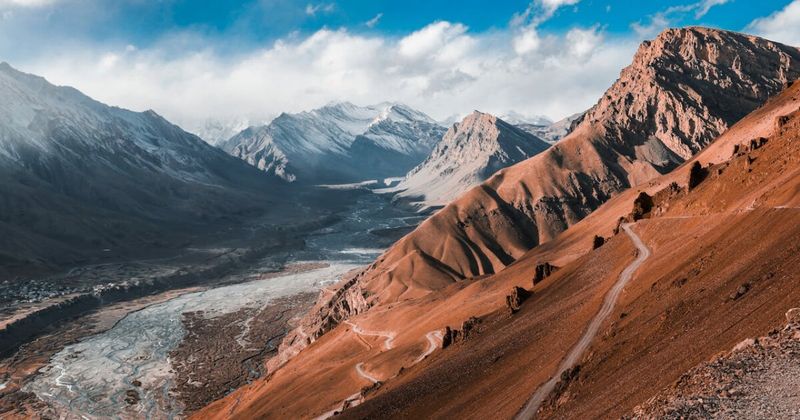
The Spiti Valley road follows the Spiti River for most of its length; the river is a tributary of the Sutlej, and the gorge it has carved through the Himalayan granite exposes rock that is 600 million years old.
The Foreigners Inner Line Permit: What You Actually Need
Foreign nationals require an Inner Line Permit (ILP) to visit Spiti Valley and Kinnaur. This includes all non-Indian passport holders.
How to get it in 2026:
Online: Apply at epass.hp.gov.in — the Himachal Pradesh government portal. Upload passport copy, visa copy, and a passport photograph. Processing typically takes 24–48 hours. Print the permit before entering the valley — internet access becomes unreliable after Reckong Peo.
In person at Reckong Peo: The DC/SDM office in Reckong Peo (on the Shimla/Kinnaur route) processes ILPs on the same day, typically within 2–4 hours. Bring: original passport, Indian visa copy, two passport-sized photographs. Open Monday–Saturday, 10am–5pm.
In person at Kaza: The SDM office in Kaza processes ILPs. If you enter via Manali and didn't arrange the permit in advance, get it the morning after arrival in Kaza.
What it covers: Spiti Valley including Kaza, Tabo, Key Monastery, Dhankar, Langza, Komic, Hikkim, Pin Valley, and the route toward the Tibet border as far as Gue. It does not cover crossing into Tibet.
Indian nationals: No permit required. Carry valid ID (Aadhaar, voter ID, passport) for police checkpoints.
Day 1: Delhi to Shimla — Starting the Altitude Staircase
Delhi to Shimla: HRTC Volvo bus from ISBT Kashmere Gate, departures from approximately 8pm–11pm, arrive Shimla 6am–8am. ₹900–1,200 ($9.57–12.77 USD). Book on 12Go Asia or HRTC website — 1 week ahead. Alternatively, fly Delhi (DEL) to Chandigarh (IXC) — 1 hour — and take a taxi to Shimla (3 hours, ₹2,500–3,500/$26.60–37.23 USD). Search all DEL flights on FlyFlick. Set a Compensair alert on EU-connected departure legs.
Arrive Shimla, rest, and acclimatise at 2,200m. Shimla itself at this altitude is enough to begin the process. Drink water. Do not immediately drive higher. One night in Shimla at a reasonable budget hotel (₹1,500–₃,000/$15.96–₃1.91 USD) before the Kinnaur drive.
Book your Delhi or Chandigarh airport transfer through GetTransfer or KiwiTaxi — confirmed for both airports. Activate Saily 5G eSIM before departing Delhi — it works in Shimla and the main towns. After Reckong Peo, only BSNL and Jio networks function in Spiti Valley. If your eSIM operates on Vodafone-Idea or Airtel exclusively, you will have no signal from Reckong Peo to Kaza. Drimsim auto-switches between available networks — essential for the valley.
Day 2: The Kinnaur Road — Where the Valley Begins to Change
Shimla to Reckong Peo/Kalpa: 200km, 5–6 hours on NH5 (the Hindustan-Tibet Highway). HRTC bus from Shimla to Reckong Peo: ₹430–500 ($4.57–5.32 USD), 8 hours. Private taxi or self-drive vehicle: 5–6 hours.
The road: NH5 from Shimla follows the Sutlej River through Narkanda (2,708m) and Rampur Bushahr before entering the Kinnaur district. The first dramatic shift happens approximately 100km from Shimla when the road narrows to a single lane cut into a cliff face above the Sutlej River gorge — 200 metres of vertical drop on the left, solid rock on the right. This is the character of the Kinnaur-to-Spiti road for the next three days. It is not a road that accommodates inattention.
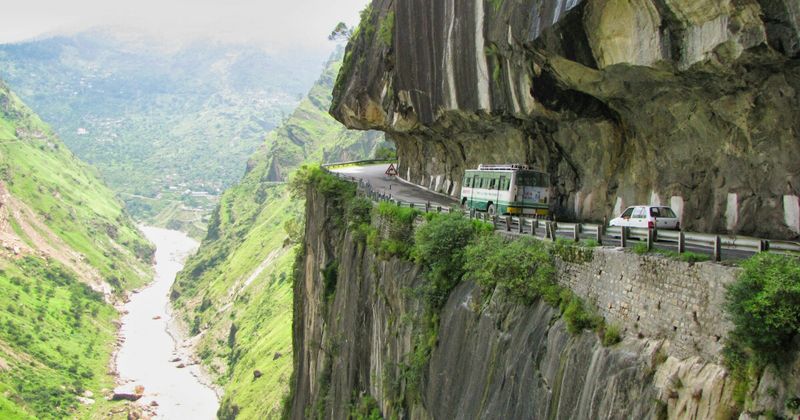
The Kinnaur apple orchards on the NH5 terraced slopes supply a significant portion of India's commercial apple market — the altitude and temperature variation produce a sweetness unavailable in lowland-grown varieties.
What you see entering Kinnaur: The transition from Shimla's pine forests to Kinnaur's apple orchards (Kinnaur apples supply a significant portion of India's commercial apple market, identifiable by their small size and intense sweetness that has no supermarket equivalent) to the first appearance of Buddhist prayer flags and monasteries on cliff faces. The architecture changes from Hindu to Tibetan Buddhist in the course of a single day's driving.
Reckong Peo: The district headquarters of Kinnaur and the practical stop for the Inner Line Permit for foreign nationals. Budget guesthouses from ₹600–1,200 ($6.38–12.77 USD). Or continue 16km to Kalpa (2,670m) — a smaller, quieter village with extraordinary views of the Kinner Kailash range (a 6,050m multi-peaked massif that changes from white to gold to deep orange at sunset) from every viewpoint.
"Flying into Delhi or Chandigarh to start the Spiti circuit? Search all routes below."
Check Live Flight Prices
Day 3: Kalpa to Tabo — The Oldest Monastery in India's Highest Desert
Kalpa to Tabo: 168km, 5–6 hours via Nako. The most dramatic driving day of the circuit — the road descends from Kalpa to the Sutlej-Spiti confluence at Khab (the meeting of the two rivers, visible as a colour contrast: the Sutlej brown, the Spiti river blue-green), then climbs steadily into the Spiti Valley proper.
Nako: Stop here for 30–45 minutes. The village at 3,660m sits beside a small man-made lake — the Nako Lake, surrounded by willow trees, reflects the surrounding brown mountains in still water. The Nako Monastery dates to the 11th century (built by Rinchen Zangpo, the great translator who established dozens of monasteries across western Tibet). Tea at a roadside dhaba overlooking the lake; check for altitude symptoms; eat before the final push to Tabo.
Tabo Monastery: afternoon arrival. The monastery complex in Tabo village is free to enter. Founded in 996 AD by Rinchen Zangpo — the same translator responsible for Nako — making it one of the oldest continuously functioning monasteries in the Himalayan region. The mud-brick buildings have stood for over 1,000 years in a desert that receives almost no rain and freezes solid every winter.
The interior murals are the reason the Dalai Lama called Tabo "India's second Ajanta" during his 1996 visit. The frescoes covering the assembly hall walls — painted over multiple periods from the 11th century onward — represent the most complete surviving corpus of 11th–12th century Tibetan Buddhist iconographic art in any accessible monastery. Photography inside is prohibited. The frescoes are not reproduced in any commercial format. They exist only in Tabo, in these walls, available only to those who make the drive.
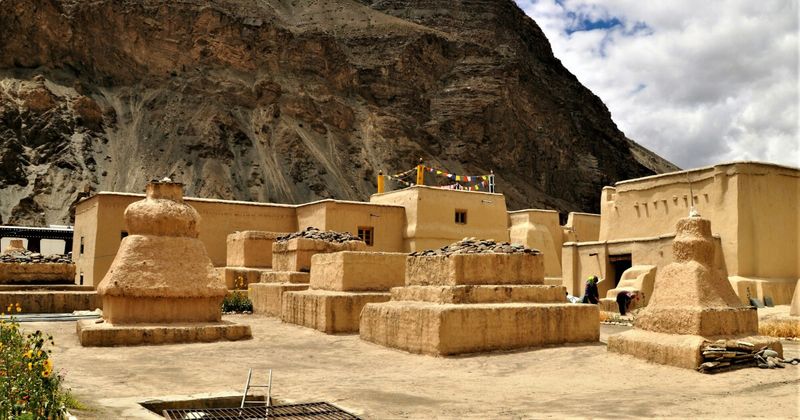
The Dalai Lama visited Tabo in 1996 and performed the Kalachakra initiation there — the same ceremony last performed at Ajanta, making the "second Ajanta" designation both artistic and ceremonial.
The cave temples carved into the cliff above the main monastery complex are older than the 996 CE foundation — Rinchen Zangpo used existing caves as the original sanctuary before the mud-brick complex was built. The caves are accessible on foot, 20-minute walk up the cliff above the village. Free.
Budget guesthouses and homestays in Tabo: ₹600–1,200 ($6.38–12.77 USD). One or two midrange options: ₹2,000–3,500 ($21.28–37.23 USD). Book ahead in July–August peak; the village has limited beds.
Day 4: Tabo to Kaza via Dhankar — The Cliff Monastery You Cannot Skip
Tabo to Kaza: 46km, but do not rush. The route includes Dhankar Monastery.
Dhankar Monastery: 30km from Tabo, 15km off the main road on a side spur. The monastery is perched on a crumbling clay pinnacle — an eroded pillar of sedimentary rock rising from the valley floor — at approximately 3,890m. The structure appears to defy gravity even before you understand that the base it sits on is actively eroding. Dhankar was the ancient capital of Spiti before Kaza; the ruins of the old palace are visible above the current monastery. Free entry.
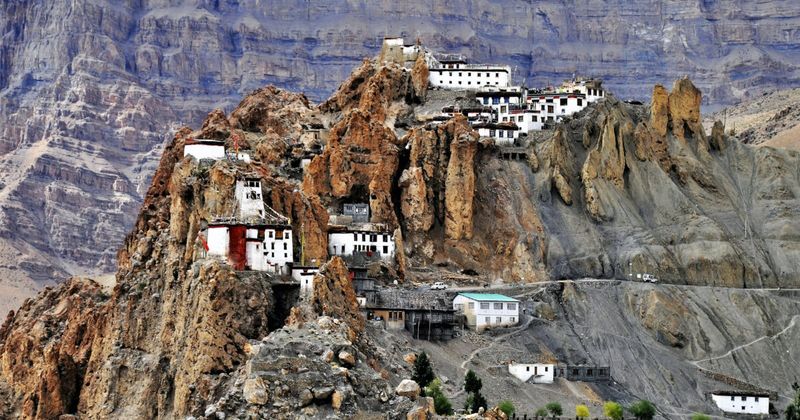
Dhankar means "fort on a cliff" in the local Spiti language; the monastery was built on the ruins of the original Spiti kingdom's palace and the base pinnacle is actively eroding — Dhankar has been on UNESCO's endangered monuments list.
The Dhankar Lake hike — 2km from the monastery, 45 minutes uphill — reaches a high-altitude lake at approximately 4,100m with views of the Spiti River canyon below and the Pin Valley joining from the south. Do not attempt this on Day 3 if you are not yet acclimatised. Day 4 is acceptable; Day 5 is better.
Pin Valley (optional day trip from Kaza): The Pin Valley National Park branch road off the main Kaza-Tabo highway enters the Pin Valley — a greener, less-visited sister valley to the Spiti, home to the endangered snow leopard and the Pin-Bhaba Pass trekking route. The Pin Valley is primarily of interest to trekkers and wildlife enthusiasts; for a 7-day circuit it is a full-day diversion rather than a main event.
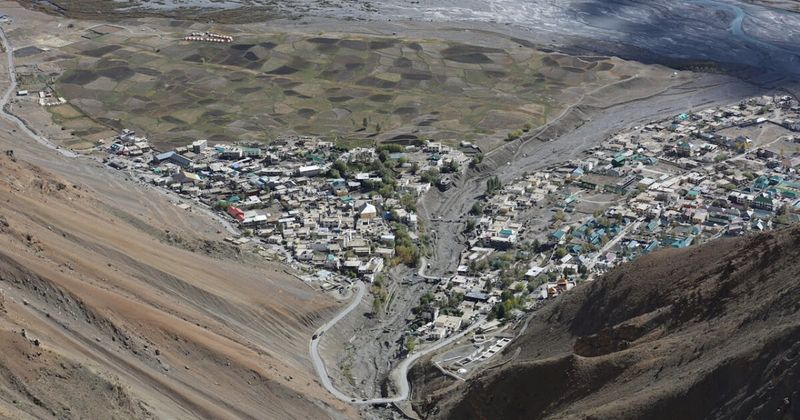
Arrive Kaza (3,800m): Kaza is the headquarters of Spiti District — a town of approximately 2,000 people with the best infrastructure of any settlement in the valley. Budget homestays and guesthouses: ₹600–1,500 ($6.38–15.96 USD). Midrange with heating (essential October onward): ₹2,500–4,500 ($26.60–47.87 USD). Kaza has ATMs (State Bank of India — use them; ATMs do not exist beyond Kaza in most directions), pharmacies (oxygen canisters and basic altitude medication available here), and vehicle rental/taxi services.
Book local taxi services in Kaza for Days 5–6 through Intui.travel or locally on arrival — a full-day taxi for the Langza-Hikkim-Komic circuit costs approximately ₹3,000–4,000 ($31.91–42.55 USD).
Day 5: Kaza Base — How to Spend a Full Day at 3,800 Metres
Stay in Kaza today. No major transit, no passes. The body needs this day at the same altitude, and the village circuit around Kaza justifies it entirely.
Key Monastery (Ki Gompa): 8am. 12km from Kaza on a spur road, the most photographed structure in Spiti. Free entry. Open approximately 7am–1pm and 2pm–7pm (timings flexible; confirm locally). The monastery is built on a specific rocky promontory above the Spiti River — the position was chosen precisely because it is visible from the widest possible swathe of valley in all directions. For travellers on the old Himalayan trade routes between India and Tibet, Key Monastery was a navigation landmark — the point from which you could confirm your position in the valley. For the monks who lived there, it served a second purpose: defenders on the monastery roof could see approaching forces hours before they arrived.
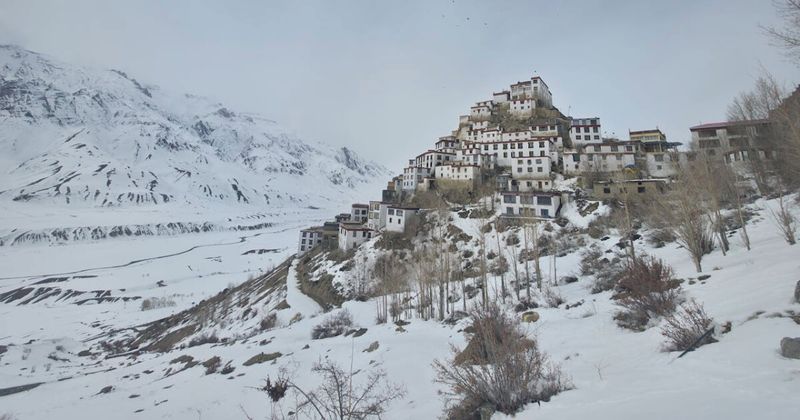
Key Monastery has been destroyed and rebuilt three times — by Mongol raids in the 14th century, a fire in the 1820s, and an earthquake in 1975 — each reconstruction retaining the same promontory position and basic architectural layout.
Inside Key Monastery: a collection of ancient tangkas (painted textile scrolls) and manuscripts, a butter lamp hall, and the monks' living quarters where young lamas in training can often be seen studying or playing cricket in the courtyard. The thangkas in the main assembly hall are originals, not reproductions. Photography permitted in most areas; ask before photographing monks.
Kibber village and Kibber Wildlife Sanctuary: 19km from Kaza, accessible on the same road past Key. Kibber (4,205m) is one of the highest motorable villages in India and the gateway to the Kibber Wildlife Sanctuary — India's only cold-desert wildlife reserve. The sanctuary is home to snow leopards (grey ghosts; the chance of a sighting without a dedicated multi-day tracking programme is low but not zero), Himalayan ibex, blue sheep (bharal), Tibetan wild ass, and Himalayan wolf. Even without wildlife sightings, the 4,200m plateau above Kibber — the flat grassland visible from the road — has a quality of space and silence that has no equivalent at lower altitudes.
Komic: 5km from Kibber, at approximately 4,587m — one of the highest motorable villages in the world. The Tanggyud Monastery at Komic (one of the highest monasteries in the world) is a small but functioning gompa with monks in residence. The view from the Komic road at this altitude — the full Spiti River valley visible far below, the brown ranges continuing in layers to the horizon — is the most complete geographical overview of the valley available by vehicle.
Day 6: Langza Fossils, Hikkim Post Office and Chandratal Lake
The most logistically demanding day of the circuit. Start by 7am.
Langza village: 7:30am. 16km from Kaza at approximately 4,550m. Langza sits on a plateau where the exposed rock contains marine fossils from the Triassic period, 252–201 million years ago. These fossils — ammonites, gastropods, and brachiopods — are the remains of ocean creatures that lived when the Himalayan region was the floor of the Tethys Ocean. The Indian tectonic plate's collision with the Eurasian plate drove this seabed upward at approximately 5 centimetres per year for 50 million years, reaching 4,550 metres. The fossils are found in the loose rock of Langza's hillsides by local children who sell them at the village entrance (₹50–200/$0.53–2.13 USD per specimen). Do not export fossils from India — it is illegal under the Antiquities and Art Treasures Act.
The Langza Buddha statue — a 9th-century seated Shakyamuni Buddha, 10 feet high, overlooking the brown plateau — appears in every Spiti photograph. The composition of the statue against the brown mountains behind it is one of the defining images of the region.
Hikkim Post Office: 9am. 7km from Langza. The Hikkim post office sits at approximately 4,400 metres — the world's highest functioning post office, confirmed by the India Post database. It is a single room. The postmaster — often the same man for years — handles mail for multiple villages. Send a postcard to someone; the postmark at 4,400m is not available anywhere else in the world. Postcards available in Kaza (₹10–30 each); bring your own stamps (₹20–25 international, ₹5 domestic) as the post office often runs out. Allow 30 minutes.
Chandratal Lake: afternoon. 55km from Kaza via the Kunzum Pass (4,590m). The Kunzum Pass is the highest point of the circuit and the gateway to Lahaul and the Manali route. The crescent-shaped Chandratal Lake sits at 4,270m in the Lahaul region immediately west of Kunzum — the name means "Moon Lake" for its shape.
Entry: ₹500 foreigners ($5.32 USD); ₹150 Indians. Camping at the lakebank is prohibited since the Koksar Panchayat ban — camps are located 3–5km from the lake and cost ₹1,200–2,500 ($12.77–26.60 USD) per night. The lake itself is accessible on a short walk from the vehicle parking area.
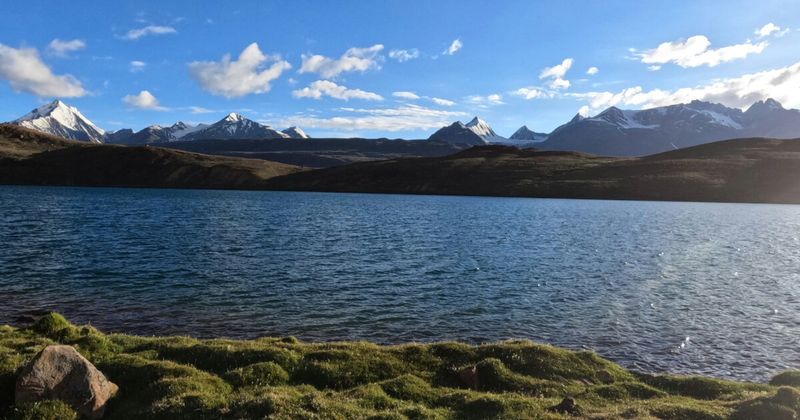
Chandratal Lake is the source of the Chandra River, which joins the Bhaga River at Tandi to form the Chenab — one of the major rivers of the Punjab and the entire northwest Indian subcontinent begins in this crescent lake at 4,270m.
The Chandratal vehicle from Kaza: ₹3,500–5,000 ($37.23–53.19 USD) shared. Book through Intui.travel the night before for a confirmed vehicle — the Kunzum Pass Road depends on weather and can close with no notice.
Weather contingency: The Kunzum Pass closes unpredictably due to snow or rain. If the pass is closed on Day 6, replace Chandratal with the Pin Valley excursion from Kaza (30km, 2 hours) or a slow walking day in Kaza and the immediate monasteries.
Day 7: Gue Monastery and the Exit
The Gue mummy: 8am. Gue village is 50km from Kaza toward the Tibet border, near the Indo-Tibetan border zone. Free entry. The monastery that houses Sangha Tenzin is a small, recently built structure — the original cave where the mummy was found in 1975 was too fragile. The monk is seated cross-legged in meditation, exactly as he was when discovered. His teeth are visible. His skin, though darkened, is intact. The hair and nails that reportedly continued growing post-discovery (a desiccation effect rather than actual growth, caused by skin shrinkage) were cut by local monks.
The specific conditions that preserved him: Gue village sits at approximately 3,350m in an extremely cold, dry environment. The initial cave burial kept the body at a stable temperature below 0°C for months of the year. The body's progressive desiccation through the monk's final years of practice left insufficient moisture for bacterial decomposition. The combination of altitude, cold, aridity, and the specific preparation of the body produced preservation that no deliberate embalming process achieves.
Exit via Manali (if Kunzum Pass is open): From Kaza, the Manali route covers: Kaza → Kunzum Pass (4,590m) → Batal → Chatru → Rohtang Pass (3,978m) → Manali (2,050m). Approximately 200km, 8–10 hours. Self-drive or hired taxi only — no scheduled bus on this route. Book through Intui.travel for a confirmed Kaza-to-Manali vehicle.
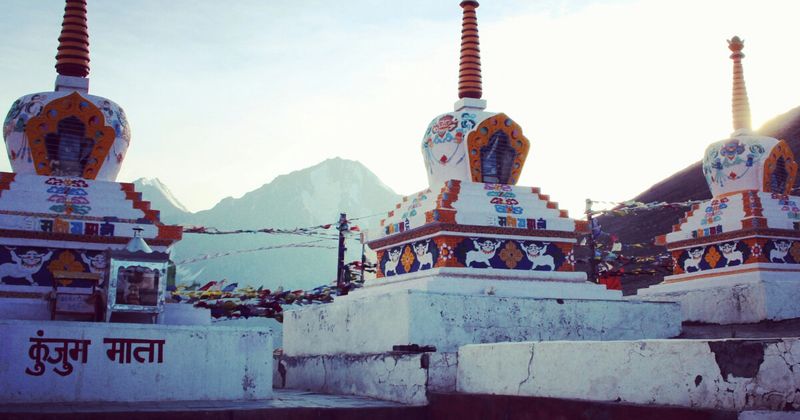
A shrine to the goddess Kunzum Devi sits at the pass summit — tradition requires all vehicles to circle the shrine before descending; the ritual combines road safety practice with the deep Buddhist identification of the high passes as sacred threshold spaces.
At Manali: From Manali, HRTC Volvo buses to Delhi depart daily from 5pm–7pm, arrive in Delhi 6–8am. ₹900–1,400 ($9.57–14.89 USD). Book on 12Go Asia. Alternatively, fly Bhuntar Airport (KUU), 50km from Manali, to Delhi (1hr, from ₹3,500/$37.23 USD). Search on FlyFlick.
Exit via Shimla (if Manali route is closed): Return Kaza → Tabo → Reckong Peo → Shimla → Delhi. The same Shimla/Kinnaur route, in reverse. Add one day for this option — it is longer and should not be rushed.
What to Skip in 7 Days
The Pin-Bhaba Pass trek. The classic Kinnaur-to-Spiti high-altitude trek crossing the Pin-Bhaba Pass (5,319m) is extraordinary — 3–4 days of technical high-altitude walking through remote terrain. Adding it to a 7-day circuit is impossible. Save it for a dedicated 12–14 day Spiti trekking trip.
Losar village. The highest village in Spiti (4,080m), 60km from Kaza toward the Kunzum Pass. Worth a half-day for a longer circuit; not an essential stop on 7 days when the same road covers the Chandratal route.
Multi-day camping at Chandratal. The crescent lake deserves multiple evenings. On a 7-day circuit, you see it as a day trip. This is the correct tradeoff — the Chandratal overnight experience is for a dedicated 10–12 day trip or for travellers who arrive via Manali and camp en route.
The Spiti circuit in August peak. Technically fine — all passes open, weather acceptable. But July–August brings India's domestic tourism peak and Spiti's very limited homestay and guesthouse beds fill completely. September is the correct month: crowds have thinned, the sky is clearer post-monsoon, the light is extraordinary, and road conditions are at their best.
What to Eat and Where in Spiti
The Spiti diet is honest high-altitude fuel: carbohydrate-heavy, warm, and not what the Zomato app would classify as "varied."
Thukpa: Tibetan noodle soup with vegetables or meat. Served everywhere. At 4,000m in October, a bowl of thukpa is not food — it is a medical intervention. ₹80–150 ($0.85–1.60 USD).
Butter tea (Po cha): Salty black tea churned with yak butter. Strong flavour, high caloric density, and effective at altitude. Every monastery and village home offers it; it is considered rude to refuse a second cup.
Chhurpi: Dried yak cheese — extremely hard, chewed slowly, the specific snack of Spiti drivers and herders. Available at Kaza market. Edible after approximately 10 minutes of patient chewing.
Local bread with apricot jam: The Kinnaur/Spiti apricot — dried and made into preserves — is the most distinctively local flavour of the circuit. Available at every guesthouse breakfast.
Kaza market: For provisions and fresh produce — the only proper market on the circuit. Buy everything you need for Days 5–7 here: snacks, water, postcards for Hikkim, and basic altitude medication.
Kaza's State Bank of India ATM is the last reliable cash point on the circuit — carry sufficient cash for homestays, entry fees, and vehicle hire beyond Kaza, as no other ATMs exist in the valley.
7-Day Spiti Budget Breakdown
| Expense | Budget | Mid-Range |
|---|---|---|
| Delhi → Shimla bus | ₹900–1,200 ($9.57–12.77) | ₹1,200 Volvo ($12.77) |
| Shimla → Reckong Peo bus | ₹430–500 ($4.57–5.32) | ₹1,500 ($15.96) taxi |
| Reckong Peo → Kaza | ₹300–400 ($3.19–4.26) bus | ₹700–1,000 ($7.45–10.64) shared taxi |
| ILP permit (foreigners) | Free | Free |
| Accommodation (7 nights avg) | ₹600–1,200 ($6.38–12.77)/night | ₹2,000–4,000 ($21.28–42.55)/night |
| Key Monastery | Free | Free |
| Tabo Monastery | Free | Free |
| Dhankar Monastery | Free | Free |
| Gue Mummy Monastery | Free | Free |
| Chandratal Lake entry | ₹500 ($5.32) foreigners | ₹500 + camp ₹1,200–₂,500 |
| Kaza daily taxi (Days 5–6) | ₹3,000–4,000 ($31.91–42.55)/day | ₹4,000–5,000 ($42.55–53.19) |
| Kaza → Manali exit vehicle | ₹2,500 ($26.60) shared | ₹5,000–7,000 ($53.19–74.47) private |
| Manali → Delhi bus | ₹900–1,400 ($9.57–14.89) | ₹1,400 Volvo ($14.89) |
| Food (7 days) | ₹200–400 ($2.13–4.26)/day | ₹500–1,000 ($5.32–10.64)/day |
| Hikkim postcards + stamps | ₹60–80 ($0.64–0.85) | ₹60–80 |
| Oxygen canisters (emergency) | ₹200–400 ($2.13–4.26) each | same |
| Travel insurance | VisitorsCoverage/EKTA from ~$25 | from ~$25 |
| 7-day total per person (excl. int'l flights) | ₹15,000–25,000 ($160–$266) | ₹35,000–55,000 ($372–$585) |
All prices INR. USD at ₹94 = $1. INR prices reliable; USD approximate.
"Flying into Delhi or Chandigarh to start the Spiti circuit? Search all routes here."
Check Live Flight Prices
The Bottom Line
Spiti Valley does not ease you in. The roads are cut from cliff faces above rivers that will kill you if you fall into them. The altitude removes a third of the available oxygen. The distances between settlements are measured in hours, not kilometres. The infrastructure is basic in the sense that basic means what it did before the word became an aesthetic.
The reward for planning this properly: a 1,000-year-old monastery containing the most significant surviving Buddhist frescoes in India, designated by the Dalai Lama himself as the second Ajanta. A mummy preserved for 500 years in a cave opened by an earthquake. Triassic fossils from an ancient ocean floor now 4,550 metres above sea level. The world's highest post office. A crescent lake so blue at altitude that the photographs of it look edited when they're not.
These things exist. They are in Spiti Valley. They reward the planning required to reach them.
Your Spiti Valley Trip Planning Checklist
🛡️ Insurance: VisitorsCoverage — Get high-altitude cover with emergency evacuation before booking anything; confirm AMS hospitalisation is explicitly included in your policy. | EKTA — Compare at ektatraveling.com from $0.99/day; verify altitude coverage before purchasing.
✈️ Flights: FlyFlick — Fly into Delhi (DEL) or Chandigarh (IXC); open-jaw exit via Bhuntar (KUU) near Manali saves the return bus. | Compensair — Set delay alerts on all EU-connected departure legs.
🚌 Buses — Book 1 Week Ahead: 12Go Asia — Book Delhi → Shimla Volvo ₹900–1,200 and Manali → Delhi return Volvo ₹900–1,400 in advance; both fill fast in June–September.
🚖 Local Vehicles: GetTransfer — Pre-book Delhi or Chandigarh airport arrival. | KiwiTaxi — Confirmed for both Delhi and Chandigarh airports. | Intui.travel — Kaza daily taxi for the Key–Kibber–Komic circuit, Chandratal day trip, and Kaza → Manali exit vehicle.
📱 Connectivity: Drimsim — Off-grid eSIM that switches between BSNL and Jio; the only eSIM that works reliably in Spiti after Reckong Peo. | Saily — Use until Reckong Peo; switch to Drimsim from there.
Altitude is not a difficulty level. It is a discipline. Learn it before you go.