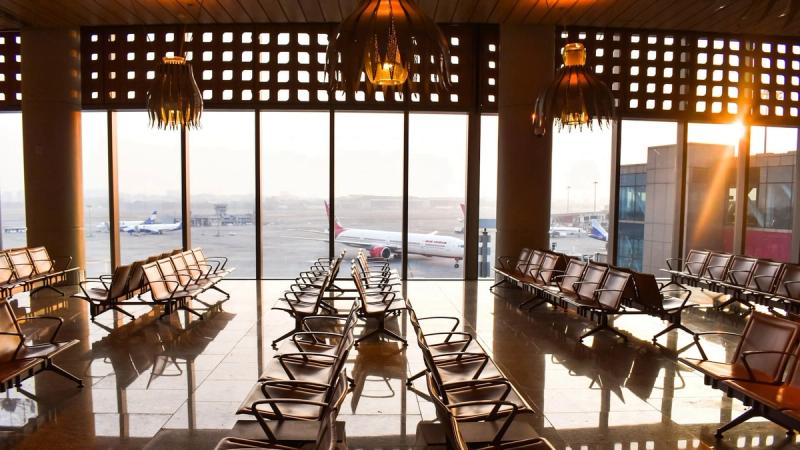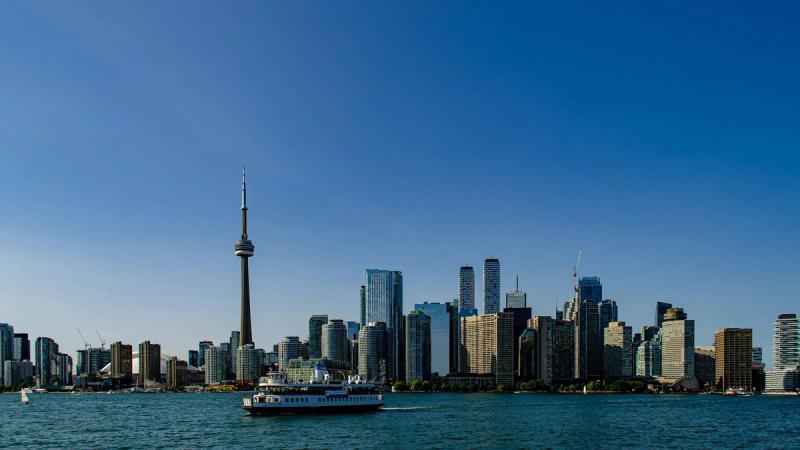

Before comparing Tokyo and Osaka for India flights, two facts need to be on the table — because both produce avoidable booking mistakes that competitor guides consistently allow travellers to walk into.
First: Osaka has two airports. Itami Airport (ITM) is domestic only — it handles zero international flights. If you're flying to India from Osaka, your departure airport is Kansai International (KIX), located on a man-made island in Osaka Bay approximately 50 minutes from the city center. Booking an Osaka flight without specifying KIX is how you end up at the wrong airport on departure morning.
Second: Tokyo has three airports — Narita (NRT), Haneda (HND), and Tokyo-Ibaraki (IBR). For India-bound flights specifically, Air India's nonstop Delhi service operates from Narita. ANA's India-connecting options operate from Haneda. Budget carriers use Narita. Which Tokyo airport you depart from determines your pre-flight logistics, your terminal experience, and in some cases your total journey time.
With those two facts established: Japan to India return fares start at JPY 122,910 (~$820) on JAL's own booking page for Tokyo to Delhi. FlyFlick's Virtual Interlining search surfaces significantly cheaper assembled combinations. The cheapest Japan–India fare on Skyscanner at time of writing is $436 return via VietJet Air. Here is the full 2026 comparison.
FlyFlick's search engine does something Skyscanner, KAYAK and Google Flights don't: it dynamically combines tickets from airlines that don't officially partner — Virtual Interlining — to surface connection routes traditional platforms never show. On Japan–India legs, this regularly finds prices 20–30% below market rate. One search. Hundreds of combinations. Including the ones your usual booking site ignores.
Check Live Flight Prices
The Airport Situation: Which Terminal You Actually Need
Tokyo: Narita vs Haneda
Tokyo's two main international airports serve India-bound travellers differently — and the distinction matters at the booking stage, not just on departure day.
Narita (NRT) — 60km from central Tokyo:
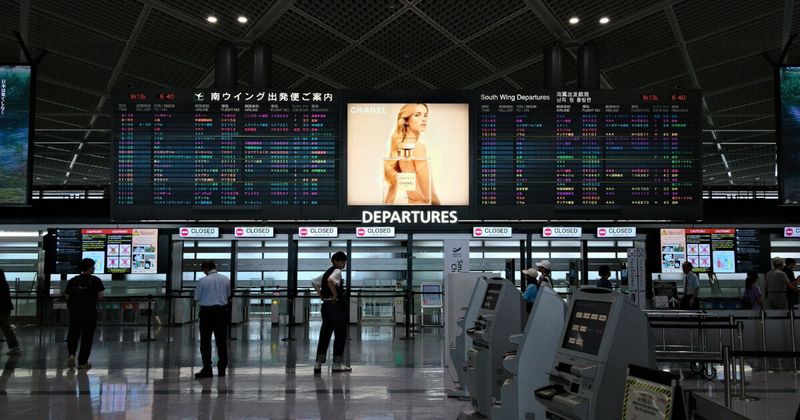
Narita handles the majority of Japan–India traffic. Air India's nonstop Delhi service departs from Narita Terminal 1. Most budget carrier options (VietJet Air, Scoot connecting routes) use Narita. The Narita Express (NEX) runs from the airport to Shinjuku in approximately 50–60 minutes at ¥3,070 (~$20 one-way). The distance from central Tokyo makes early departures logistically demanding — a 6 AM Narita departure means a 3 AM departure from Shinjuku.
Haneda (HND) — 15km from central Tokyo:
Haneda's International Terminal handles premium carrier connections — ANA's codeshare India services and select JAL routings. Haneda's proximity advantage is significant: Tokyo Monorail from Hamamatsucho takes 18 minutes at ¥500 (~$3.30). For the same early departure, Haneda is dramatically more convenient. For travellers connecting Tokyo–India via ANA or carriers that use HND, the terminal convenience difference is worth factoring into the booking decision.
The practical rule: always check which Tokyo airport your specific flight uses at booking — don't assume all Tokyo-departing India flights are the same.
Osaka: KIX Only
There is no ambiguity on the Osaka side. Kansai International Airport (KIX) handles all international flights from the Osaka-Kobe-Kyoto metro region. Osaka Itami (ITM) is domestic only. Nagoya's Chubu Centrair (NGO) serves central Japan but is often omitted from comparative Japan–India guides.
KIX is accessible from Osaka city center via the Haruka Airport Express (30 minutes from Shin-Osaka, ¥2,270 / ~$15 one-way) or direct trains from Kyoto (75 minutes). For travellers staying in Kyoto — Japan's most-visited tourist city for international visitors — KIX is actually more convenient than any Tokyo airport despite the perception that Tokyo is the primary Japan departure point.
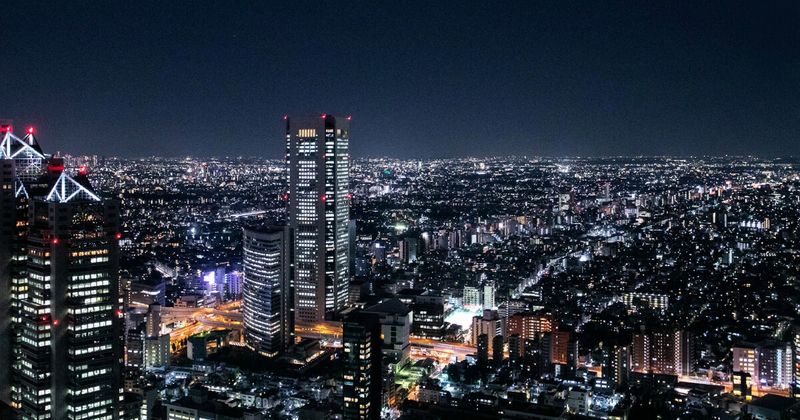
Air India's nonstop Tokyo–Delhi service operates from Narita (NRT), 60km from central Tokyo — Haneda (HND), just 15km from the city centre, handles connecting India services on ANA and premium carriers, making the pre-flight journey from central Tokyo 45 minutes shorter if you're on a Haneda departure.
The Only Nonstop: Air India Tokyo Narita to Delhi
Air India operates the only direct flight from Japan to India — Tokyo Narita (NRT) to Delhi Indira Gandhi International (DEL) — at approximately 9 hours flight time. The Delhi to Tokyo Narita flight is confirmed as a direct route operating with Japan Airlines as a codeshare partner.
This nonstop is the benchmark for the entire Japan–India corridor. Everything else — every Korean Air Seoul connection, every Cathay Pacific Hong Kong routing, every VietJet Vietnam transit — produces a longer total journey time than this single 9-hour nonstop. For any Tokyo-based or central Japan traveller whose India destination is Delhi or North India, the Air India NRT–DEL nonstop is the product of first reference.
Current Japan Airlines' own booking data shows Tokyo NRT to Delhi round trips from JPY 122,910 (~$820) — this is the codeshare fare. Air India's direct fare typically prices similarly on its own website. The specific JAL-codeshared Air India Delhi nonstop from Narita represents the premium benchmark for the Tokyo–Delhi corridor.
Who should book the nonstop:
- Tokyo-based travellers whose India itinerary begins in Delhi or North India
- Business travellers for whom the 9-hour total vs 14–17-hour connection is a productivity decision
- Families with young children for whom a single 9-hour flight is definitively better than 14+ hours of total travel
- First-time India visitors who want the most predictable possible arrival experience
Who may rationally choose a connection:
- Travellers whose India destination is Mumbai, Bengaluru, Chennai, or South India (where the nonstop to Delhi adds a domestic leg)
- Price-sensitive travellers for whom the $200–$400 saving on connecting fares justifies the additional transit time
- Osaka or Kyoto-based travellers for whom Narita's 60km distance from the city makes the South Korea connection via KIX more practical
Tokyo to India: Full Airline and Price Comparison
| Airline | Route from TYO | Return Range (JPY) | Return Range ($) | Stops | Duration |
|---|---|---|---|---|---|
| Air India | NRT → DEL (nonstop) | ¥122,910–¥165,000 | $820–$1,100 | 0 | 9h |
| Japan Airlines | NRT → DEL via hub | ¥115,000–¥175,000 | $767–$1,167 | 1 | 14–17h |
| ANA | HND → DEL/BOM | ¥120,000–$180,000 | $800–$1,200 | 1 | 13–17h |
| Korean Air | NRT → DEL/BOM via ICN | ¥95,000–¥145,000 | $633–$967 | 1 | 12–15h |
| Singapore Airlines | NRT → DEL/BOM via SIN | ¥100,000–¥155,000 | $667–$1,033 | 1 | 14–17h |
| Cathay Pacific | NRT → DEL/BOM via HKG | ¥95,000–¥150,000 | $633–$1,000 | 1 | 13–16h |
| Thai Airways | NRT → DEL/BOM via BKK | ¥85,000–¥140,000 | $567–$933 | 1 | 13–16h |
| Malaysia Airlines | NRT → DEL/BOM via KUL | ¥80,000–¥135,000 | $533–$900 | 1 | 14–17h |
| VietJet Air | NRT → DEL/BOM via HAN | ¥65,000–¥100,000 | $433–$667 | 1 | 13–17h |
Sources: FlyFlick flight search, KAYAK, Skyscanner, JAL, Google Flights — May 2026. Prices include taxes and are subject to change.
Check Live Flight Prices
FlyFlick's search engine does something Skyscanner, KAYAK and Google Flights don't: it dynamically combines tickets from airlines that don't officially partner — Virtual Interlining — to surface connection routes traditional platforms never show. On Japan–India legs, this regularly finds prices 20–30% below market rate. One search. Hundreds of combinations.
Korean Air and Cathay Pacific are the two strongest connecting options from Tokyo — offering competitive pricing at ¥95,000–¥100,000 ($633–$667) range with total journey times of 12–16 hours. For Tokyo-based travellers who don't need the Air India nonstop's 9-hour advantage, Korean Air via Seoul Incheon is frequently the best value-for-experience combination: ICN's transit is world-class, Korean Air's economy product is above average, and the Seoul–Delhi leg runs approximately 7 hours.
VietJet Air at $433–$467 return is the price floor — confirmed by Skyscanner's cheapest Japan–India fares at $436–$437 return via Hanoi connections. The trade-off: longer total journey time (13–17 hours), budget LCC cabin product, and paid meals throughout. For price-sensitive travellers with high sleep-anywhere tolerance, VietJet is a legitimate option. For most others, the extra ¥30,000–¥40,000 ($200–$270) for Korean Air or Cathay Pacific is money well spent.
Osaka to India: The Korean Air Seoul Advantage Nobody Covers
Osaka's Kansai International (KIX) has a routing advantage that every Japan–India travel guide ignores — and it's the most practically useful piece of information in this post for Osaka-based and Kyoto-based travellers.
From KIX, the Korean Air flight to Seoul Incheon (ICN) takes approximately 50 minutes. The Seoul Incheon (ICN) to Delhi flight on Korean Air or Air India takes approximately 7 hours. With a 2-hour Incheon connection — Incheon being consistently the most efficient transit airport in Asia — total KIX–ICN–DEL journey time runs approximately 10–11 hours. Compare this to Osaka KIX to Tokyo NRT (1 hour 20 minutes domestic) plus NRT–DEL nonstop (9 hours) plus the connection wait — total 12+ hours — and the Seoul routing often delivers faster door-to-gate arrival at Delhi than routing via Tokyo.
Price-wise: Korean Air Osaka-KIX to Delhi via ICN round trips currently range from approximately ¥90,000–¥140,000 ($600–$933) — comparable to or slightly cheaper than the equivalent NRT-based Korean Air routing, because KIX-Seoul slot competition is active and KIX's lower traffic volume means slightly lower fuel surcharges on the first leg.
| Airline | Route from KIX | Return Range (JPY) | Return ($) | Total Time to DEL |
|---|---|---|---|---|
| Korean Air | KIX → ICN → DEL | ¥90,000–¥140,000 | $600–$933 | 10–11h |
| Asiana Airlines | KIX → ICN → DEL/BOM | ¥88,000–¥138,000 | $587–$920 | 10–12h |
| Japan Airlines | KIX → NRT → DEL | ¥115,000–¥168,000 | $767–$1,120 | 12–14h |
| ANA | KIX → HND → DEL | ¥118,000–¥172,000 | $787–$1,147 | 12–14h |
| Singapore Airlines | KIX → SIN → DEL/BOM | ¥100,000–¥155,000 | $667–$1,033 | 13–16h |
| Malaysia Airlines | KIX → KUL → DEL/BOM | ¥82,000–¥135,000 | $547–$900 | 14–17h |
| Thai Airways | KIX → BKK → DEL/BOM | ¥80,000–¥138,000 | $533–$920 | 13–17h |
| VietJet Air | KIX → HAN → DEL | ¥65,000–¥100,000 | $433–$667 | 14–18h |
Sources: FlyFlick, KAYAK, Skyscanner, Google Flights — May 2026.
The KIX–ICN–DEL routing via Korean Air wins on both total time and price for Osaka-based travellers flying to Delhi or North India. This is the routing that no Japan–India travel guide anywhere covers — and it represents the single most valuable booking insight on the Osaka corridor.
For South India destinations — Mumbai, Bengaluru, Chennai, Kochi — the Seoul routing is less dominant because ICN's connections to South Indian cities are less frequent than Singapore Airlines' connections from SIN. For South India from Osaka, Singapore Airlines KIX–SIN–BOM or KIX–SIN–MAA produces the best combination of frequency and competitive pricing.
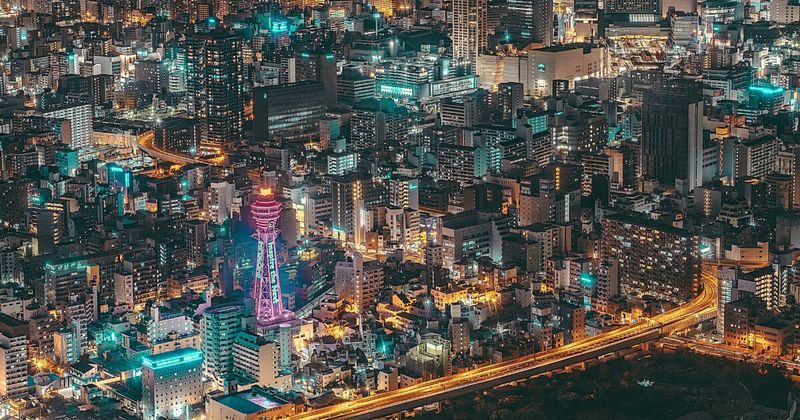
Osaka's Kansai International Airport (KIX) sits 50 minutes from Seoul Incheon on Korean Air — making the KIX–ICN–DEL routing one of the fastest and most competitive Japan–India itineraries available, yet completely absent from mainstream Japan–India travel guides.
Nagoya: Japan's Third India Departure Option
For travellers based in central Japan — Aichi prefecture, Gifu, Shizuoka, Mie, or the wider Chubu region — Nagoya's Chubu Centrair International Airport (NGO) is the practical local departure point. JAL's own booking data confirms Nagoya to Delhi from JPY 124,690 (~$831 round trip) — essentially matching Osaka (KIX) pricing within ¥200 per trip.
The carriers serving Nagoya to India are fewer than Tokyo or Osaka — primarily JAL codeshares, ANA connections, and Korean Air via Seoul — but the price parity with Osaka means Nagoya residents have no price reason to travel to Osaka or Tokyo specifically for India flights. The Korean Air NGO–ICN–DEL routing is equally available from Nagoya and produces similar total journey times to the KIX equivalent.
Cheapest Months From Japan to India in 2026
The cheapest month to fly from Japan to India is September, with some of the best prices also found in August. Both months reflect the convergence of India's monsoon off-season (suppressing leisure tourist demand from India–Japan routes) and Japan's quieter post-summer period for outbound travel.
The most expensive month is January — Japan's New Year travel season coincides with India's peak tourist season, creating dual demand pressure from both ends of the route that pushes fares to their annual high.
| Month | Return Range (JPY) | Return ($) | Japan Season | India Season | Verdict |
|---|---|---|---|---|---|
| January | ¥175,000–¥230,000 | $1,167–$1,533 | New Year peak | Peak tourist | ❌ Most expensive |
| February | ¥140,000–$185,000 | $933–$1,233 | Off-peak | Peak-late | Expensive |
| March | ¥140,000–¥180,000 | $933–$1,200 | Cherry blossom surge | Shoulder | Expensive — tourist demand |
| April | ¥155,000–¥200,000 | $1,033–$1,333 | Cherry blossom peak | Good weather | ❌ Tourism premium |
| May | ¥130,000–¥170,000 | $867–$1,133 | Golden Week | Pre-monsoon | Mixed |
| June | ¥110,000–¥150,000 | $733–$1,000 | Off-peak | Monsoon begins | ✅ Improving |
| July | ¥105,000–¥145,000 | $700–$967 | Summer holidays | Monsoon | Good |
| August | ¥100,000–¥140,000 | $667–$933 | Late summer | Monsoon peak | ✅ Second cheapest |
| September | ¥95,000–¥130,000 | $633–$867 | Off-peak low | Monsoon clearing | ✅ Cheapest month |
| October | ¥115,000–¥158,000 | $767–$1,053 | Autumn foliage begins | Post-monsoon excellent | Moderate |
| November | ¥130,000–¥175,000 | $867–$1,167 | Autumn foliage peak | Peak season | Expensive — tourism |
| December | ¥155,000–¥210,000 | $1,033–$1,400 | Pre-Christmas | Holiday peak | ❌ Expensive |
Sources: FlyFlick, JAL, KAYAK, Skyscanner — May 2026.
The Japan-specific seasonal warning most guides miss: March–April (cherry blossom / sakura season) and October–November (autumn foliage / koyo season) are Japan's two peak domestic and international tourism periods. These produce a specific pattern: Japan-to-India fares during these periods are sometimes elevated because many Japan-departing flights during these months carry inbound tourists on the outbound leg — pushing overall aircraft utilisation up and reducing the incentive for airlines to discount. If your flexibility allows, avoiding March–April and October–November produces fare savings of ¥20,000–¥40,000 ($133–$267) compared to the shoulder periods either side.

Japan's cherry blossom season (late March to mid-April) is one of the world's most popular tourism periods — but it creates a secondary effect for outbound Japan–India travellers: higher aircraft utilisation on Japan-departing routes reduces airline incentive to discount, pushing fares ¥20,000–¥40,000 above surrounding periods.
The Routing Decision by Indian Destination
No one routing is optimal for all Indian cities from Japan. Here's the clear recommendation by destination:
Flying to Delhi (DEL) / North India from Tokyo:
Air India's NRT–DEL nonstop is the default and correct choice for price-tolerant travellers — 9 hours, daily, no connection risk. For price-sensitive travellers: Korean Air NRT–ICN–DEL at ¥95,000–¥100,000 ($633–$667) is the best connecting option, saving ¥20,000–$25,000 ($130–$170) vs the nonstop with approximately 5 additional hours of travel.
Flying to Delhi / North India from Osaka:
Korean Air KIX–ICN–DEL. Full stop. Faster than routing via Tokyo for most Osaka residents, cheaper than Singapore Airlines equivalents on the same dates, and Incheon's transit quality removes connection anxiety.
Flying to Mumbai (BOM) / West India:
No Tokyo or Osaka nonstop to Mumbai exists. Singapore Airlines via SIN is the best option from both cities — SIN–BOM connection quality at Changi is excellent, Singapore Airlines' cabin product on both legs is strong, and fares from ¥100,000–$115,000 ($667–$767) are competitive. Malaysian Airlines via KL is the budget alternative at ¥80,000–¥90,000 ($533–$600) with 2–3 additional hours.
Flying to Chennai (MAA) / South India:
Sri Lankan Airlines via Colombo from either Tokyo or Osaka is the underrated pick for Chennai — shorter Colombo–Chennai leg (1h 40m) makes the total connection one of the fastest South India options from Japan after Singapore routes. Price-competitive at ¥80,000–¥120,000 ($533–$800).
Flying to Bengaluru (BLR) / Tech hub:
Singapore Airlines via SIN consistently produces the best combination of price (¥100,000–$120,000 / $667–$800) and total journey time for Bengaluru from either Tokyo or Osaka. IndiGo's Singapore connections to Bengaluru are worth checking via Virtual Interlining.
Airlines: Who to Book and Why
Air India: The only nonstop Japan–India carrier. Daily NRT–DEL service at approximately 9 hours. Fares from ¥122,910 ($820) return at JAL-codeshare pricing, with Air India direct sometimes slightly lower. New A350 and 787-9 aircraft on select rotations — check aircraft type before booking per FlyFlick's broader Air India review.
Japan Airlines (JAL): JAL codeshares with Air India on the Delhi nonstop, making JAL-branded bookings available for the NRT–DEL nonstop. JAL's own connecting services via partner hubs are priced at ¥115,000–¥175,000 range. JAL's loyalty programme (JAL Mileage Bank) earns on codeshare Air India flights.
ANA (All Nippon Airways): ANA's India connections operate from Haneda (HND) via partner hubs — primarily Singapore Airlines. ANA's cabin product is excellent (ranked World's Best Airline Cabin Crew multiple times by Skytrax) and free WiFi is available on ANA flights. ANA fares at ¥120,000–¥180,000 ($800–$1,200) price at a premium over Korean Air or Thai equivalents.
Korean Air: The best value connecting option from both Tokyo and Osaka, with the specific Osaka advantage described above. ¥90,000–¥145,000 ($600–$967) range. Seoul Incheon transit is world-class. Korean Air economy is above average — KAYAK users consistently rate it highly on the India-Asia corridor.
VietJet Air: The price floor at ¥65,000–¥100,000 ($433–$667). Budget LCC via Vietnam — Hanoi (HAN) or Ho Chi Minh City (SGN) connections. Paid meals, basic cabin. Valid for budget-maximising travellers comfortable with no-frills long-haul.
Check Live Flight Prices
FlyFlick's search engine does something Skyscanner, KAYAK and Google Flights don't: it dynamically combines tickets from airlines that don't officially partner — Virtual Interlining — to surface routes that no traditional platform shows. From Japan to India, this includes combinations like Peach Aviation OSA→KIX→SIN plus IndiGo SIN→BOM that surface at ¥20,000–$30,000 ($133–$200) below published single-airline fares.
The Yen Pricing Context — Why JPY Fares Look Different to Local Buyers
The Japanese yen has been historically weak against the USD and INR since 2022, creating an unusual pricing dynamic on Japan–India tickets that no competitor guide acknowledges.
When Air India prices a Delhi–Tokyo ticket at 820USD, theJPYequivalentat¥150/820 USD, the JPY equivalent at ¥150/ 820 USD, theJPYequivalentat¥150/ exchange rate shows as ¥123,000. To a Japanese salaryman earning ¥500,000 (~$3,333) per month, ¥123,000 represents approximately 25% of a monthly salary — a significant but manageable travel expense.
From an Indian traveller's perspective buying the same ticket in INR: ₹77,000 (at ₹94 per dollar) represents considerably more of an average monthly Indian salary — making Japan-India flights structurally more expensive for India-originating bookers than for Japan-originating bookers on the same route. This asymmetry means the Japan–India corridor is more likely to produce good deals for Japan-based travellers than for India-based travellers booking the same route.
The practical implication: if you're Japan-based and researching India flights, you're in the more favourable purchasing position on this corridor. The fare that looks expensive in USD translates to a workable fraction of JPY purchasing power — particularly for travellers holding JPY who can use the weak-yen environment to negotiate other India trip costs (accommodation, domestic flights within India) in USD or INR at their stronger relative rates.
India Visa for Japan-Based Travellers
Japan's passport is one of the world's most powerful for visa-free travel, but India requires advance application. Japan eased India visa access in recent years, and India's e-Visa system now accepts Japanese passport holders for online applications at indianvisaonline.gov.in at a fee of approximately $25 (¥3,750).
The e-Visa is valid for multiple entries (for tourist visa) for up to 90 days per entry with a total validity of 1 year. Processing takes 3–5 business days. Apply at least 1 week before departure to allow buffer for processing delays.
Before any Japan–India booking, add VisitorsCoverage travel insurance from $1/day (~¥150). Trip cancellation, medical, and delay cover is essential on a corridor where most itineraries involve at least one connection. VisitorsCoverage. EKTA from $0.99/day as budget backup. EKTA. Compensair covers delays over 3 hours for up to €600 (~¥99,000) per person on eligible flights — particularly relevant for VietJet and budget carrier connections where cascade delays are more common. Compensair
Activate your India eSIM before boarding in Tokyo or Osaka. Saily's India 5G eSIM from ~$8.50 (¥1,275) for 7 days. Saily. Yesim unlimited for 2+ week trips. Yesim. Drimsim for remote India coverage. Drimsim. Airalo offers 200+ country plans from $1.50/day — useful if your routing includes a Seoul or Singapore layover stopover. Airalo
For airport arrival strategy in India once you land, see FlyFlick's Delhi vs Mumbai vs Kochi vs Chennai arrival guide. For the Singapore hub comparison versus Seoul and other Asian options, our Singapore to India 2026 guide gives the full picture.
Check Live Flight Prices
Pre-booking your airport transfer in India before landing saves the negotiation stress that follows a 9–17 hour Japan–India journey — GetTransfer covers fixed-fare pickups at Delhi T3, Mumbai T2, Chennai MAA, and Kochi COK, with driver name-card meet-and-greet in arrivals.
Bottom Line
Tokyo gives you the nonstop. Osaka gives you the Seoul shortcut. Both produce competitive India fares in September and August, and both are served by the same ecosystem of airlines — the specific difference is which routing you apply from each airport.
Air India's NRT–DEL 9-hour nonstop is the reference product. Book it when price and schedule work. When they don't, Korean Air via ICN is the most competitive connecting alternative from both cities — particularly from Osaka where the KIX–ICN–DEL routing beats every Tokyo-transiting option on total journey time.
Check your airport code. At Tokyo: NRT for Air India nonstop, HND for ANA connections. At Osaka: KIX always. Itami is domestic only — this mistake trips up travellers every year.
Run FlyFlick's Virtual Interlining search before booking any single-airline fare. The non-partner combinations on Japan–India legs regularly surface ¥20,000–$30,000 ($133–$200) below what Skyscanner, KAYAK, or Google Flights show individually.
Your Japan to India Flight Planning Checklist
🛡️ VisitorsCoverage — Trip cancellation, medical and delay cover from $1/day (~¥150). Add before confirming any Japan–India booking.
🛡️ EKTA — Budget secondary cover from $0.99/day at ektatraveling.com.
✈️ FlyFlick Flight Search — 700+ airlines + Virtual Interlining. Search NRT and KIX simultaneously for your Indian destination. Surfaces non-partner combos Skyscanner, KAYAK and Google Flights don't show — saving ¥20,000–$30,000 on Japan–India legs.
✈️ Compensair — Claim up to €600 (~¥99,000) for delays over 3 hours. Budget carrier Vietnam connections carry cascade delay risk — file from your phone on arrival.
🚗 GetTransfer — Pre-book fixed-fare airport pickup at Delhi T3, Mumbai T2, Chennai MAA or Kochi COK on arrival. After a 9–17 hour journey from Japan, have your driver waiting with a name card.
🚗 KiwiTaxi — Fixed-fare intercity India from arrival airport: Delhi–Agra, Mumbai–Goa, Chennai–Pondicherry.
📱 Saily — India 5G eSIM from ~$8.50 (¥1,275)/7 days. Activate before boarding at Narita or Kansai — 5G on India landing.
📱 Yesim — Unlimited data for 2+ week India trips.
📱 Drimsim — Off-grid India coverage for remote areas.
📱 Airalo — 200+ country plans from $1.50/day. One plan covers Seoul, Singapore, or Vietnam layover and India.
🛂 India e-Visa — Apply at indianvisaonline.gov.in. $25 (~¥3,750). Japanese passport holders eligible. Apply minimum 1 week before travel.
🛂 Airport code check — Tokyo to India: NRT for nonstop, HND for ANA connections. Osaka to India: KIX always. ITM = domestic only. Check before booking.
NRT for nonstop. KIX for Seoul shortcut. Fly direct when the price works.