
The India–Japan route has a structure most travel editorial describes poorly. There are direct flights — four daily nonstop departures from Delhi to Japan, all operated by Air India, with an average flight time of 8 hours 15 minutes and the earliest departure at 18:00. There are connecting flights via Singapore, Bangkok, Seoul, Hong Kong, and Hanoi — ranging from budget carriers at $426 return to full-service carriers via premium layover hubs. And there's an open-jaw strategy that saves most Indian first-time Japan travellers ₹8,000–₹15,000 in Shinkansen fares and half a day of travel time — and almost no India→Japan travel content has ever written about it.
The open-jaw strategy is this: Japan's two most popular tourist circuits are the Tokyo area (Shinjuku, Harajuku, Shibuya, Nikko, Kamakura) and the Kansai area (Kyoto, Osaka, Nara, Hiroshima). Most Indian travellers book a round-trip to Tokyo, then take the Shinkansen to Kyoto and return to Tokyo for their flight home. That Shinkansen round-trip costs approximately ₹8,000–₹15,000 per person and adds half a day of travel in each direction. Flying into Osaka Kansai Airport (KIX) and out of Tokyo Haneda (HND) — or vice versa — often costs similar to or less than a round-trip to the same city, and it eliminates the backtracking entirely. One ticket. Two airports. Zero Shinkansen return.
This guide covers both the direct and connecting options with verified 2026 prices, the two Tokyo airports and which one you actually want to arrive at, the seasonal pricing calendar (cherry blossom peak is the most expensive by the largest margin of any Japan travel season), and the Japan visa reality for Indian passport holders — which at ₹1,450 total is cheaper than Singapore's and far faster than the UK's.
We compared fares on FlyFlick with major Indian booking platforms — and found savings of ₹1,000–₹2,500 on most international routes. Search below and compare yourself before booking anywhere else.
FlyFlick's search engine does something Skyscanner, KAYAK and Google Flights don't: it dynamically combines tickets from airlines that don't officially partner — Virtual Interlining — to surface connection routes traditional platforms never show. On outbound routes from India, this regularly finds prices 20–30% below market rate. One search. Hundreds of combinations. Including the ones MakeMyTrip and Goibibo will never show you.
Booking in USD through FlyFlick? No GST applies on international flights booked via foreign platforms — you're not paying Indian service tax here. To avoid your bank's forex markup, use a zero-forex card like Niyo or Scapia. Note: a 5% TCS applies on foreign currency payments but is fully refundable when you file your ITR.
Searching Delhi, Mumbai, Chennai, or Bengaluru to Tokyo, Osaka, or Fukuoka? FlyFlick shows Air India nonstop, Korean Air via Seoul, and Scoot via Singapore on the same search — with the open-jaw option most platforms won't surface.
Check Live Flight Prices
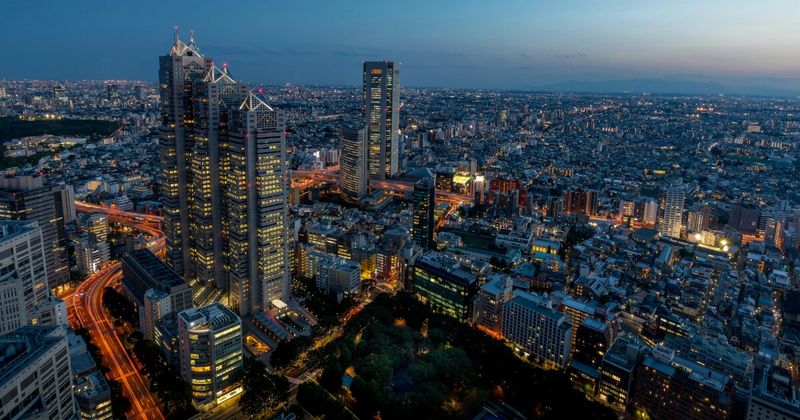
Four direct flights depart from Delhi to Japan every day, all operated by Air India, with the earliest departure at 18:00 and average flight time of 8 hours 15 minutes. All nonstop flights from Delhi land at Tokyo Haneda (HND) — 14 km from Shinjuku — not Tokyo Narita.
Direct Flights India to Japan — Air India, ANA, and JAL
Air India currently operates regular non-stop services between Delhi (DEL) and Tokyo Haneda (HND). The direct flight connects two major capitals in under eight hours — one of the fastest options between India and Japan. Through its selected cities with All Nippon Airways (ANA), Air India also extends easy links to Osaka, Nagoya, Hiroshima, Fukuoka, and Okinawa, meaning one ticket can take you across Japan without separate domestic bookings. Flights operate several times each week, balancing timings for business and leisure travellers, with extra frequency around April–June and December when demand peaks.
Air India's India to Japan fare starts from ₹40,843 — the most competitive direct-flight entry price from any Indian carrier on this route, operating nonstop Delhi to Tokyo Haneda in 7 hours 30 minutes. On the Air India A350 fleet, which handles many India–Japan services, the cabin is the same new-generation product we covered in our IndiGo vs Air India vs Emirates comparison — a meaningful upgrade from the older 787 and 777 aircraft Air India operated prior to the Tata Group fleet investment.
ANA (All Nippon Airways) also operates services on the India–Japan route, and Japan Airlines (JAL) runs seasonal frequencies on specific DEL→NRT timings. Both ANA and JAL offer a slightly more premium product than Air India in economy — wider seat pitch on JAL's Boeing 787 Dreamliner and ANA's premium service culture — but fares on JAL and ANA run ₹10,000–₹25,000 more per person return on equivalent date comparisons.
From Mumbai, nonstop Japan service is more limited than from Delhi. Mumbai travellers typically connect via Singapore, Bangkok, or Seoul unless Air India's BOM→HND routing is specifically available on their target dates. From Chennai, Bengaluru, and Hyderabad, all routes to Japan require at least one connecting flight.
Japan National Tourism Organization.
All Carriers and Current Prices — India to Japan 2026
| Airline | Hub | Route Type | One-Way (₹) | Return (₹) | Total Time | Bag | Verdict |
|---|---|---|---|---|---|---|---|
| Air India | Nonstop | DEL→HND direct | ₹35,000–₹50,000 | ₹40,843–₹70,952 | 7h 30m | 23 kg ✅ | Best for nonstop, HND arrival |
| ANA / JAL | Nonstop | DEL→HND/NRT | ₹45,000–₹65,000 | ₹80,000–₹1,10,000 | 7h 30m | 23–30 kg ✅ | Premium cabin, higher price |
| Korean Air | Seoul (ICN) | 1-stop | ₹30,000–₹45,000 | ₹55,000–₹85,000 | 11–14h | 30 kg ✅ | Best layover hub; competitive |
| Asiana Airlines | Seoul (ICN) | 1-stop | ₹28,000–₹42,000 | ₹52,000–₹80,000 | 11–14h | 23–30 kg ✅ | Competitive; Seoul option |
| Singapore Airlines | Singapore (SIN) | 1-stop | ₹35,000–₹52,000 | ₹60,000–₹90,000 | 10–13h | 30 kg ✅ | Premium quality; SIN layover |
| Cathay Pacific | Hong Kong (HKG) | 1-stop | ₹32,000–₹48,000 | ₹58,000–₹88,000 | 10–14h | 23–30 kg ✅ | Good cabin; HKG transit fine |
| Thai Airways | Bangkok (BKK) | 1-stop | ₹28,000–₹42,000 | ₹52,000–₹78,000 | 10–13h | 30 kg ✅ | Budget full-service option |
| Vietnam Airlines | Hanoi (HAN) | 1-stop | ₹22,000–₹35,000 | ₹42,000–₹65,000 | 12–16h | 23 kg ✅ | Competitive; HAN transit adequate |
| VietJet Air | Various | 1-stop | ₹20,000–₹32,000 | ₹40,000–₹62,000 | 12–18h | Cabin only ❌ | $429 Delhi→Fukuoka, $445 Mumbai→Osaka — cheapest of budget carriers |
| Scoot | Singapore (SIN) | 1-stop | ₹22,000–₹35,000 | ₹40,044–₹68,000 | 11–15h | Varies | $426 Chennai→Tokyo return September — best budget option with SIN layover |
| Air China | Beijing (PEK) | 1-stop | ₹22,000–₹35,000 | ₹42,000–₹65,000 | 13–18h | 23 kg ✅ | Cheapest at times; PEK transit limited |
All prices approximate return economy per person. Currency at ₹94 = $1 USD. Use FlyFlick to verify before booking.
The cheapest return flight from India to Japan was found at ₹33,891 for the route from New Delhi to Tokyo for August 19-21, and the cheapest one-way on the route starts from ₹17,838. These floor prices reflect VietJet Air or Vietnam Airlines connecting fares on competitive date combinations — not the nonstop Air India option, which runs ₹40,843+ return.
Korean Air via Seoul — The Most Underrated Option Indian Travellers Keep Skipping
Korean Air deserves its own section because it's the one carrier most Indian Japan-bound travellers have never seriously priced and the one that most often beats expectations when they do.
The Seoul (ICN) routing from Indian cities to Tokyo or Osaka typically produces total journey times of 11–14 hours — shorter than Bangkok, Hanoi, or Beijing connections. The shortest connecting route from Delhi to Japan runs 7h 07m direct; via Seoul from Delhi the total with a 2-hour layover runs approximately 11–12 hours. Seoul Incheon Airport (ICN) is consistently rated as one of the world's top-five airports — cleaner, more efficient, and better-stocked with transit food than Bangkok, Hanoi, or Beijing alternatives. Korean Air's economy cabin on the India–Seoul–Japan routing features ICN's transit facilities and includes 30 kg checked baggage on most India-origin tickets.
Asiana Airlines on the same ICN hub is similarly competitive — fares from India to Japan via Seoul on Asiana run ₹52,000–₹80,000 return, competitive with Korean Air.
The secondary advantage: Seoul Incheon offers transit without a Korean visa for Indian nationals on direct transits of under 24 hours — no Korean visa required to change planes at ICN. If your layover is 6+ hours, the free ICN transit bus takes passengers to a complimentary city tour of Seoul (operated by Incheon Airport Corporation), giving you a brief Seoul sightseeing experience at zero additional cost. It's the closest equivalent to Etihad's Abu Dhabi Stopover Program we covered in our Hyderabad to USA guide — a transit benefit most Indian travellers have never been told exists.
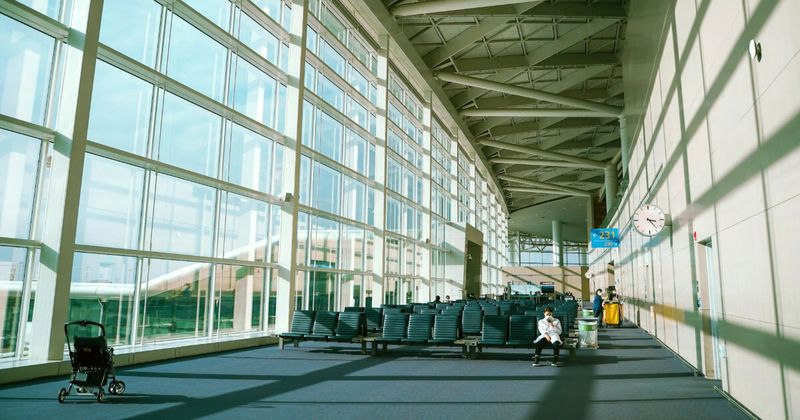
Seoul Incheon Airport's transit passengers on layovers of 6+ hours can claim a free city tour of Seoul — operated by Incheon Airport Corporation — making the Korean Air via Seoul routing to Japan a potential 2-city trip without paying for a Korean visa.
Tokyo Haneda (HND) vs Tokyo Narita (NRT) — The Airport Distinction That Affects Arrival
This is a detail that appears briefly in some booking platforms' fine print and nowhere in Indian travel editorial for Japan.
Tokyo Haneda (HND) is 14 km from central Tokyo — approximately 30 minutes by Keikyu Line train (approximately ₹380 / JPY 550) or 30–40 minutes by taxi. Haneda handles Air India's nonstop from Delhi, most ANA and JAL arrivals, and some Korean Air connections. For Indian travellers arriving on an evening or early morning flight, Haneda's proximity to the city means you can be in Shinjuku or Shibuya well within an hour of landing.
Tokyo Narita (NRT) is 80 km from central Tokyo — approximately 55 minutes on the Narita Express (N'EX) at approximately ₹1,650 (JPY 3,070) or 90 minutes on the slower Sobu Line Rapid at ₹590 (JPY 1,100). Most connecting flights from India — via Singapore, Bangkok, Seoul, or Hong Kong — route through Narita rather than Haneda. The airport itself is modern and functional, but the distance and transport cost add meaningfully to the arrival experience, particularly for travellers carrying multiple bags or arriving late at night.
Before booking any India–Japan flight, check which Tokyo airport your specific routing uses. If the nonstop Air India fare (HND arrival) is within ₹3,000–₹5,000 of a connecting fare arriving at NRT, the Haneda proximity frequently justifies the premium — particularly when you factor in the N'EX ticket cost you'd otherwise pay from NRT.
For Osaka arrivals: Kansai International Airport (KIX) sits 55 km from Osaka city on an artificial island — approximately 75 minutes by Haruka Express train (approximately ₹1,780 / JPY 2,530). This distance is comparable to Narita from Tokyo, so the transport dynamics are similar.
The Open-Jaw Strategy — Why Flying Into Osaka and Out of Tokyo Saves Money
Most Indian travellers visiting Japan want to see both Tokyo and Kyoto or Osaka. The standard approach is to fly round-trip to Tokyo and take the Shinkansen bullet train to Kyoto (2h 15m, approximately ₹8,700 / JPY 14,170 one-way) and return. That Shinkansen round-trip costs ₹17,400 per person — before any accommodation or food spending in Kyoto.
Flying into Osaka Kansai Airport and out of Tokyo Haneda — or vice versa — often works out cheaper than a return to the same city and eliminates the backtracking entirely.
Here is how this works in practice: an open-jaw ticket is a single booking where your inbound and outbound airports are different. You fly Delhi→Osaka (KIX arrival), spend your time in Kyoto, Nara, and Osaka, take the Shinkansen one-way to Tokyo (₹8,700 instead of ₹17,400 round-trip), then fly Tokyo (HND or NRT)→Delhi. The one-way Shinkansen replaces the round-trip, saving approximately ₹8,700 per person plus the return Shinkansen time.
The fare comparison: a round-trip DEL→NRT/HND return runs approximately ₹55,000–₹85,000 on advance booking. An open-jaw DEL→KIX/HND→DEL on the same airlines and timing combinations frequently runs ₹52,000–₹80,000 — sometimes lower, sometimes within ₹3,000–₹5,000 of the same-city return. The Shinkansen savings of ₹8,700 per person make the open-jaw definitively better value in almost every planning scenario where both Tokyo and Kyoto/Osaka appear on the itinerary.
FlyFlick's search engine can surface open-jaw combinations that MakeMyTrip's standard search interface doesn't present as default options — this is a Virtual Interlining capability that directly benefits Indian travellers planning Japan multi-city itineraries.
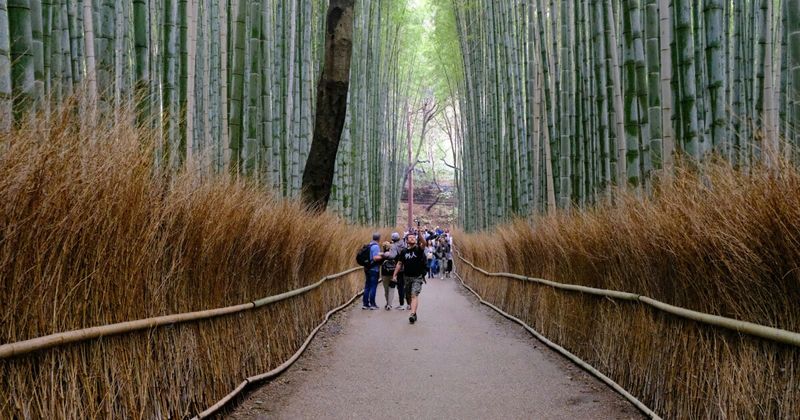
Arashiyama's bamboo grove in Kyoto is 30 minutes by train from Osaka Kansai Airport (KIX) — Indian travellers who fly into KIX instead of Tokyo eliminate two Shinkansen legs worth approximately ₹17,400 per person, making the open-jaw flight booking the most financially efficient Japan itinerary structure available.
Cheapest Month to Fly India to Japan in 2026
The Japan flight pricing calendar has the sharpest seasonal swing of any destination in this guide series — driven almost entirely by Japan's cherry blossom and autumn foliage seasons.
| Month | Return Fare Range (₹) | Notes |
|---|---|---|
| January | ₹55,000–₹75,000 | 🟢 Good value — cold Japan winter, low crowds |
| February | ₹52,000–₹70,000 | 🟢 Best value window; Sapporo Snow Festival adds some demand |
| March | 🔴 ₹80,000–₹1,05,000 | Cherry blossom anticipation — demand rises mid-March |
| April | 🔴 ₹90,000–₹1,10,000 | Peak cherry blossom — most expensive weeks of year |
| May | ₹68,000–₹88,000 | 🔴 Golden Week (Japan holiday) early May — spike then drop |
| June | ₹55,000–₹75,000 | 🟢 Rainy season — low demand, excellent value |
| July | ₹33,891–₹58,000 | ✅ Trip.com confirms cheapest return found July-August dates at ₹33,891 |
| August | ₹40,000–₹60,000 | ✅ Good value; Japan summer but Indian schools back |
| September | ₹40,044–₹62,000 | ✅ Skyscanner cheapest India–Japan return at $426 (₹40,044), September 11 |
| October | ₹65,000–₹88,000 | 🟡 Autumn foliage starts — demand builds |
| November | ₹75,000–₹1,00,000 | 🔴 Peak autumn foliage — popular and expensive |
| December | ₹68,000–₹90,000 | 🔴 Christmas/New Year + winter illuminations |
✅ = Best windows | 🔴 = Avoid if budget-sensitive
The July–September window is the clear cheapest opportunity in 2026. Last-minute or peak-season bookings, particularly during cherry blossom season in late March and April, can push fares to ₹90,000–₹1,10,000 — against the ₹33,891–₹62,000 range available in July–September. That's a ₹50,000–₹70,000 difference on a return ticket for the same airlines and airports.
Japan's summer (July–August) is warm and humid but fully operational — every temple, museum, bullet train, and food experience is available. Japanese summer festivals (Obon in August, Gion Matsuri in Kyoto in July) are among the country's most visually spectacular events. The September window adds the advantage of cooler temperatures and the beginning of autumn colours in Hokkaido, while retaining the low-demand pricing.
Your India→Japan fare for July or September is available right now and likely to increase as the window fills — compare nonstop and connecting options before the cheapest dates disappear.
Check Live Flight Prices
Japan Visa for Indians — The ₹1,450 Fact Nobody Emphasises Enough
Most Indian travellers delay planning Japan trips because they assume the visa process is complex, expensive, and time-consuming. The reality in 2026 is almost the opposite.
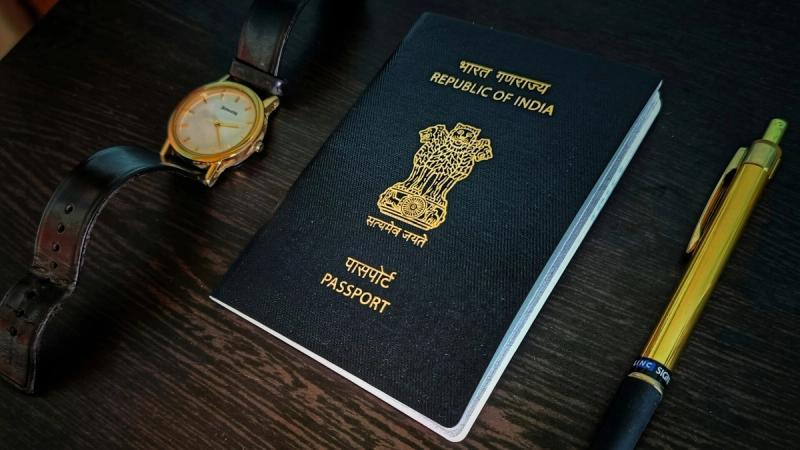
Japan does not currently offer a visa-on-arrival for Indian passport holders. A tourist visa is required and must be applied for before departure. The Japanese tourist visa fee is approximately ₹500 (government fee) plus ₹950 service charge via VFS Global — totalling roughly ₹1,450 for a single-entry visa. Processing takes 5–7 working days. Apply at least 3–4 weeks before travel to build buffer.
This makes Japan's visa one of the cheapest of any destination requiring pre-travel visa approval for Indian nationals. For comparison: Singapore's tourist visa costs ₹3,100 (more than double Japan's). Germany's Schengen visa costs ₹7,520. The UK charges ₹13,500. Japan at ₹1,450 is in the same price category as minor country visas, not a major visa-requiring destination's fee structure.
Documents required: valid Indian passport (6 months minimum validity), completed application form (available at VFS Global and Japan's embassy website), 3 months of bank statements, confirmed hotel bookings or itinerary, employment letter or business registration, recent passport-size photographs. VFS Global has Japan visa application centres in Delhi, Mumbai, Bengaluru, Chennai, Hyderabad, and Kolkata.
Multiple-entry Japan visas are available for frequent travellers — valid for 5 years with no per-entry fee once issued. For Indian IT professionals, students, or frequent business travellers who visit Japan multiple times, the multiple-entry visa converts each subsequent Japan trip to essentially zero visa cost.
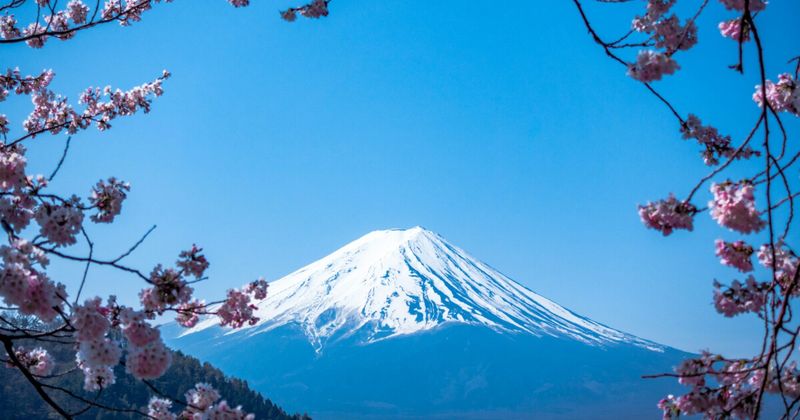
Mount Fuji's cherry blossom viewing period (late March to early April) is one of Japan's most photographed seasonal events — and the most expensive flight window from India, with return fares climbing to ₹90,000–₹1,10,000 against the ₹40,000–₹62,000 available in July and September.
Step-by-Step Booking Strategy for India to Japan 2026
Step 1 — Decide your Japan circuit first, then choose airports. Tokyo-only → DEL→HND nonstop on Air India. Both Tokyo and Kyoto/Osaka → open-jaw: DEL→KIX (Osaka Kansai) + HND→DEL. Fukuoka/western Japan focus → check VietJet Air's DEL→FUK at $429 return. Your itinerary should drive your airport selection, not the reverse.
Step 2 — Target July or September. July's floor is ₹33,891 return per Trip.com data. September's cheapest found is $426 (₹40,044) on Scoot from Chennai per Skyscanner. Both windows are 30–60% below April cherry blossom pricing.
Step 3 — Compare Air India nonstop against Korean Air via Seoul. Air India nonstop from ₹40,843 delivers HND arrival in 7h 30m. Korean Air via Seoul at ₹52,000–₹85,000 adds 4–6 hours but includes the Incheon transit experience, 30 kg baggage, and the potential free Seoul city tour on longer layovers.
Step 4 — Check Scoot and VietJet Air on FlyFlick for budget option. Neither carrier appears on standard MakeMyTrip India→Japan searches — FlyFlick's Virtual Interlining surfaces the Scoot-via-Singapore connection at $426 return. Add checked baggage (typically ₹2,500–₹3,500 per leg on Scoot) if needed, then compare all-in against Korean Air.
Step 5 — Apply for Japan visa 3–4 weeks before travel. ₹1,450 total, VFS Global in your city, 5–7 working days processing. Apply the week you confirm flights.
Step 6 — Sort insurance, eSIM, and delay cover. Before confirming, get VisitorsCoverage sorted — medical coverage up to $1,000,000 for Japan. Japan's healthcare system is excellent; costs for visitors without travel insurance are substantial. For budget secondary cover, EKTA starts from $0.99/day at ektatraveling.com.
For flight delay compensation up to €600 on connecting routes, Compensair handles claims from your phone at no upfront cost. For eSIM: Saily covers Japan from $1.99/day with 5G — activate before boarding so you land connected. Yesim covers multi-country data for Japan + South Korea combinations. Drimsim handles patchy rural Japan coverage in Hokkaido or remote mountain areas. For the widest eSIM coverage, Airalo offers 200+ country plans from $1.50/day.
For the full context on how to book international flights from India at the best price — including the timing windows, Virtual Interlining strategy, and bank cashback stacking that applies to Japan flights exactly as it does to shorter routes — our 7 Tricks guide and our How Far in Advance to Book guide cover the full strategy in sequence.
If you're flying in September, your cheapest India→Japan fare is available right now — compare nonstop, Korean Air, Scoot, and VietJet Air in one search below.
Check Live Flight Prices
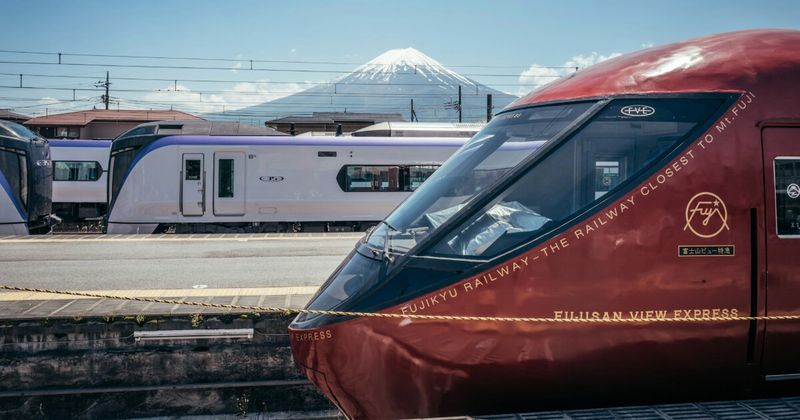
The Shinkansen between Kyoto and Tokyo costs approximately ₹8,700 (JPY 14,170) one-way — the open-jaw flight booking strategy converts this from a round-trip expense (₹17,400) to a one-way transit (₹8,700), the most efficient Japan itinerary structure for Indian travellers visiting both regions.
Bottom Line
In 2026, direct flights between Delhi and Tokyo range in price between ₹48,000 and ₹55,000 round-trip — accurate for advance booking on Air India's nonstop service. Connecting options via Seoul, Singapore, and Bangkok can undercut that range by ₹8,000–₹15,000, though total journey time stretches to 11–18 hours depending on the hub.
The decisions that matter most: choose your airport entry point based on your Japan circuit (not your airline), consider the open-jaw strategy if both Tokyo and Kyoto/Osaka are on your itinerary, avoid March and April like the cherry blossoms themselves, and note that Japan's ₹1,450 visa is the most underestimated easy-win in all of Indian international travel planning.
Choose your airports. Apply for the visa. Book July or September.
Your India–Japan Travel Checklist
🛂 Japan Tourist Visa — ₹1,450 total at VFS Global; apply 3–4 weeks before travel; 5–7 working days processing.
🛫 Check HND vs NRT — Air India nonstop lands at HND (14 km); connecting flights often land at NRT (80 km); verify before booking.
✈️ FlyFlick Flight Search — Compare Air India nonstop, Korean Air via Seoul, Scoot via Singapore; open-jaw KIX/HND bookable; UPI accepted.
✈️ Compensair — Claim up to €600 for delays on connecting routes; file from your phone.
🛡️ VisitorsCoverage — Medical coverage up to $1,000,000; Japan healthcare costs for uninsured visitors are significant.
🛡️ EKTA — Budget secondary insurance from $0.99/day at ektatraveling.com.
📱 Saily — Japan 5G eSIM from $1.99/day; activate before landing at HND or KIX.
📱 Yesim — Japan + South Korea multi-country unlimited data.
📱 Drimsim — Off-grid coverage for rural Japan, Hokkaido, and mountain regions.
📱 Airalo — 200+ country plans from $1.50/day; widest Japan coverage available.
🚅 Open-jaw strategy — Fly into KIX (Osaka) and out of HND (Tokyo) to save ₹8,700/person on Shinkansen.
📅 Target July or September — Avoid cherry blossom (April) when fares hit ₹90,000–₹1,10,000.
Choose airports first. Visa costs ₹1,450. Book September.