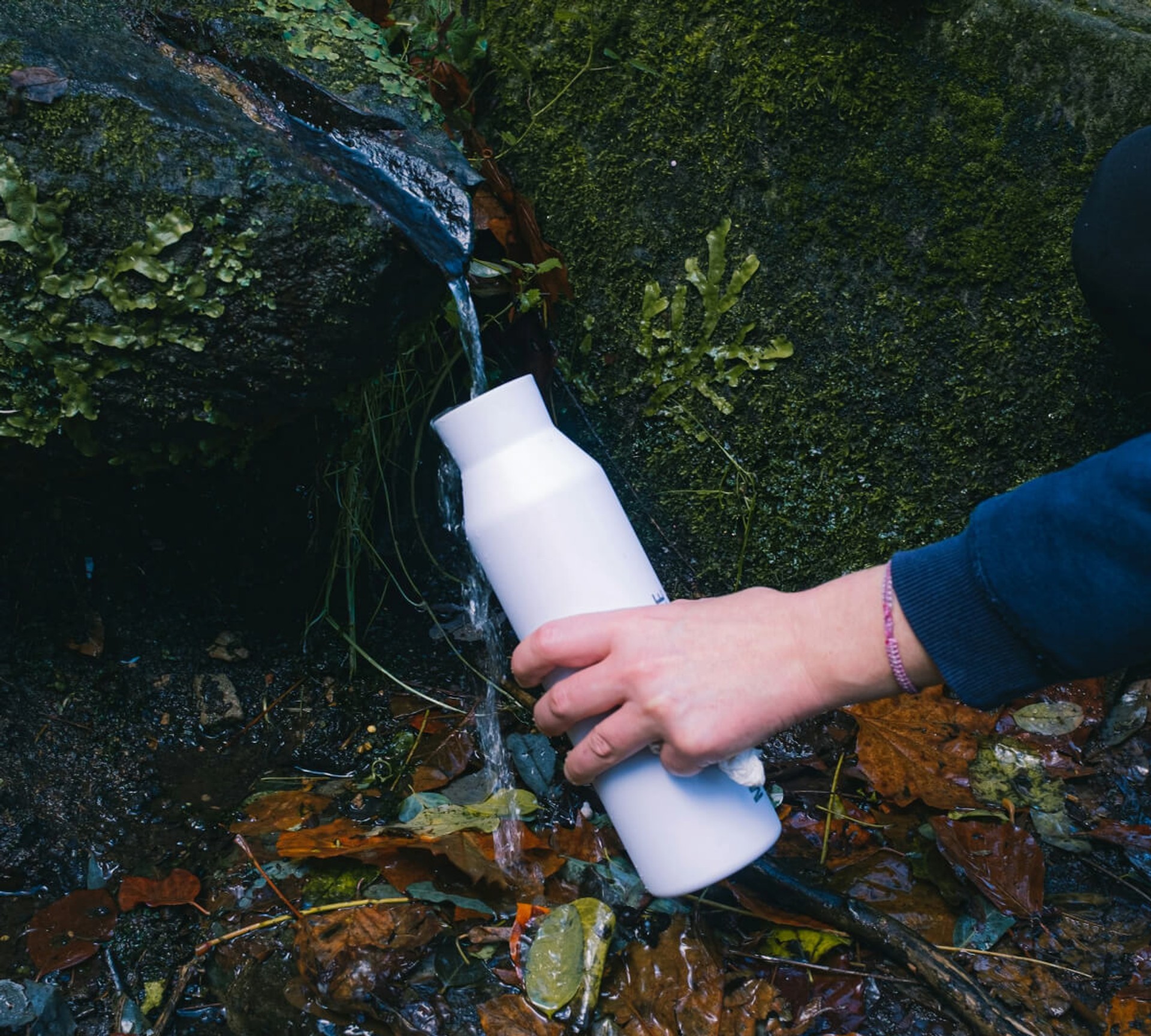

We need to talk about the mountain.
Not the Himalayas. Not the Western Ghats. We are talking about the invisible mountain of plastic that every traveler leaves behind.
Let’s do the math. It is a hot day in Jaipur (38°C / 100°F). You drink 3 liters of water. That is three 1-liter plastic bottles. Multiply that by a 30-day trip. That is 90 bottles.
Now, multiply that by the 10 million tourists who visit India annually. That is 900 million bottles.
Where do they go? In a country with developing waste management infrastructure, many end up in landfills, in the gutters of beautiful cities, or floating in the holy Ganges river.
For years, the advice to travelers has been: "Only drink sealed bottled water to avoid getting sick." In 2026, this advice is outdated, lazy, and dangerous for the planet.
At FlyFlick, we spent the last six months traveling across India—from the deserts of Rajasthan to the rainforests of Kerala—with a simple mission: Zero single-use plastic.
We didn't get sick. We saved money. And we found that India is actually far more ready for the "Refill Revolution" than most Western countries.
Here is your complete guide to traveling India without leaving a trace.
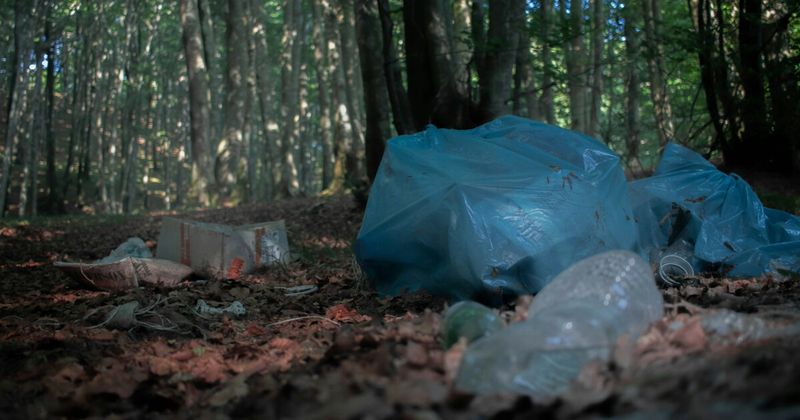
The aftermath: A single bottle takes 450 years to decompose. Your 2-week trip leaves a legacy that lasts for centuries.
Part 1: The "Bottled Water" Myth
Before we switch to eco-friendly habits, we need to debunk a massive myth: "Bottled water is always safe."
In India, there is a thriving black market for counterfeit water. Scammers pick up empty discarded bottles from train stations, fill them with tap water, superglue the cap back on, and sell them to tourists.
When you buy a plastic bottle from a roadside stall, you are often paying for tap water wrapped in trash.
The Solution: Control your own water source. When you purify your own water, you know it is safe. You are not trusting a seal; you are trusting science.
Part 2: The Gear (Your Defense System)
To go plastic-free, you need the right hardware. You cannot just drink from the tap (seriously, don't do that). You need a Purifier, not just a Filter.
1. The Heavy Lifter: Grayl Geopress
This is the gold standard for India.
- How it works: It looks like a French Press coffee maker. You fill the outer cup with dirty water (from a hotel tap, a lake, or a train bathroom), press the inner cup down, and in 8 seconds, you have 24oz of viral-grade safe water.
- Why we love it: It removes viruses (Hepatitis A, Rotavirus), which standard filters like Brita do NOT remove.
2. The UV Blaster: SteriPen
- How it works: You stick a glowing UV wand into your water bottle and stir for 90 seconds.
- Pros: Lightweight and batteries last forever.
- Cons: It doesn't remove sediment. If the water is muddy, you are drinking sterilized mud.
3. The Lifestraw Go
- How it works: A bottle with a straw filter inside. You suck the water through the filter.
- Pros: Cheaper than Grayl.
- Cons: You have to suck hard to get water, which is annoying when you are breathless from hiking.
Our Verdict for 2026: Bring a Grayl Geopress for your main drinking water and a LifeStraw as a backup.
Part 3: Finding Water (The "RO" Revolution)
"But where do I fill up?"
India is surprisingly advanced when it comes to Reverse Osmosis (RO) filtration. Because tap water is generally unsafe, almost every middle-class home, restaurant, and hotel has a massive RO machine installed.
1. The "RO" Request
In any restaurant, from a roadside dhaba to a fancy cafe, ask: "Do you have RO water?" They will usually point to a large silver cooler or a glass jug. This water is filtered and safe. We tested it with TDS (Total Dissolved Solids) meters in 50+ locations. It was consistently clean.
2. Water ATMs
In railway stations and major bus terminals, look for "Water ATMs."
- Cost: ₹5 ($0.06) for a liter.
- Quality: These are government-monitored RO stations.
- Process: Put a coin in (or scan a QR code), place your bottle under the tap, and fill up.
3. The "Homestay" Advantage
Hotels will often give you two small plastic bottles and then charge you for more. Homestays operate differently. They almost always have a kitchen with a 20-liter bubble-top dispenser (like in an office). They will let you refill your bottle for free, as much as you want.
- Pro Tip: When booking accommodation, look for "Homestay" or "Eco-Lodge" filters.
- Action: Find Eco-Friendly Homestays on Klook
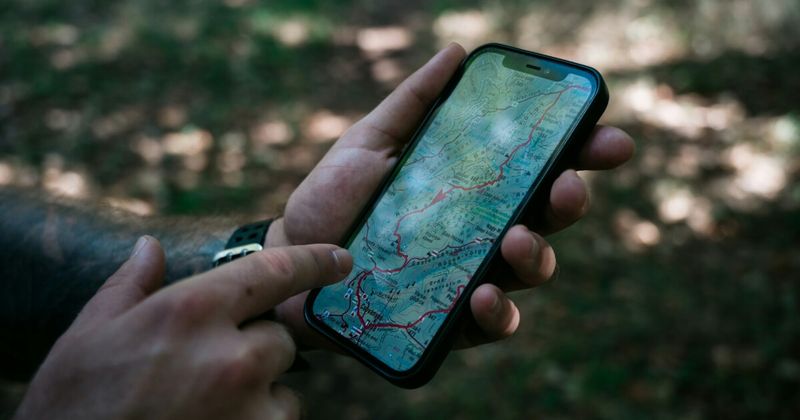
Technology meets sustainability: Your phone is your best tool for finding safe water.
Part 4: Digital Tools for the Green Traveler
Going plastic-free requires information. You need to know where the refill stations are, and for that, you need data.
You cannot rely on spotting a sign. You need Google Maps.
- Search Terms: "Water ATM," "Refill Station," "RO Plant."
Connectivity is Key: Trying to find a safe water station while offline is stressful. You need a reliable connection to check reviews (e.g., "Is this water ATM working?").
- Recommendation: Do not buy a disposable SIM card that comes in plastic packaging. Use an eSIM. It is zero-waste and instant.
- Best for Cities: Saily (Great rates for data).
- Best for Remote Areas: Drimsim (Connects to any tower).
- Action: Get 5% off Saily eSIM Data
Part 5: Beyond Water (The Hidden Plastics)
Water bottles are the villain, but they aren't the only problem.
1. The "Toiletry" Trap
Those tiny shampoo bottles in hotels? They are a disaster.
- The Swap: Bring Solid Shampoo Bars. They last for 80 washes, take up no space, and have zero plastic packaging. Brands like Ethique or Indian brands like Switch Fix are excellent.
2. The "Shopping Bag" Scourge
In India, if you buy a banana, a chemist will put it in a small plastic bag. If you buy a souvenir, another bag.
- The Swap: Pack a Tote Bag or a Foldable Daypack. Keep it in your pocket.
- The Phrase: Learn to say "No bag, please" or in Hindi: "Thelli nahi chahiye" (I don't need a bag).
3. The "Cutlery" Crisis
Street food is often served on plastic plates with flimsy plastic spoons.
- The Swap: Carry a Spork (Spoon + Fork) and a collapsible metal straw.
- The Local Way: Eat with your hands! It is the traditional Indian way. Wash your hands thoroughly (or use sanitizer), and enjoy the texture of the food. It tastes better, we promise.
Part 6: Transport & Carbon Footprint
Plastic is visible. Carbon is invisible. But sustainable travel means tackling both.
1. The "Direct Flight" Rule
Takeoffs and landings burn the most fuel. A flight with two layovers emits 30-50% more CO2 than a direct flight.
- The Tool: When you search on FlyFlick, filter for "Direct Flights" or "Lowest CO2 Emissions." It might cost $20 more, but it saves tons of carbon.
2. Shared Mobility
Taking a private taxi for one person is inefficient.
- The App: Use InDrive to book city-to-city transfers. You can often share the ride or choose smaller, fuel-efficient cars.
3. Flight Compensation
Sometimes, you have to fly. If your flight is delayed, airlines often fly empty planes or circle airports, wasting massive amounts of fuel.
- The Justice: If your flight is delayed, hold the airline accountable. Compensair helps you claim compensation. It’s not just about money; it’s about pressuring airlines to be more efficient.
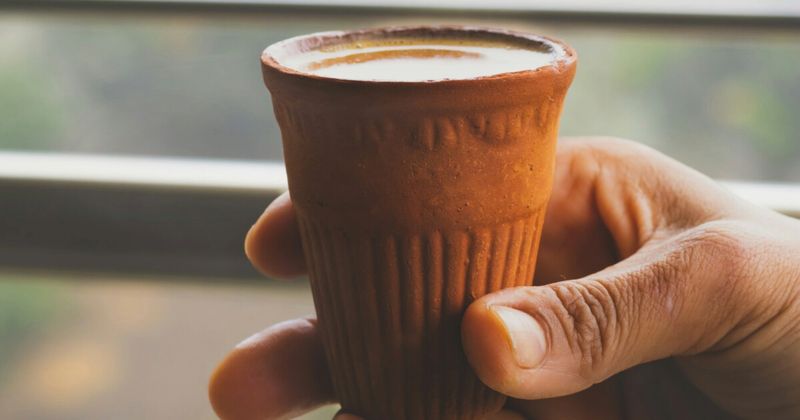
The Original Eco-Cup: The 'Kulhad' is made of clay. When you finish your tea, you smash it back into the earth. 100% biodegradable.
Part 7: The "Green States" of India
Some parts of India are leading the world in sustainability. If you want to see eco-tourism in action, go here:
1. Sikkim ( The Organic State)
Sikkim was the first state in the world to go 100% organic. They have banned plastic water bottles in many areas (like Lachen and Lachung). Authorities check tourist vehicles at checkpoints and confiscate plastic bottles.
- What to do: Drink from the designated RO filters provided by the government.
2. Ladakh (The High Desert)
In Leh, the "Dzomsa" stores sell filtered water for ₹7 per liter. They also sell seabuckthorn juice in glass bottles that you return.
- The Pressure: At 12,000 feet, waste does not decompose. It freezes. Be hyper-vigilant here.
3. Kerala (The Responsible Tourism Hub)
Kerala’s "Responsible Tourism Mission" is famous. In Kumarakom, plastic is strictly regulated to protect the backwaters.
- Stay: Houseboats that use solar power and bio-toilets.
- Action: Book Eco-Houseboats on Klook
Part 8: The "Clean-Up" Challenge
We have a challenge for you. It is called the "One Bag" rule.
Once during your trip—maybe on a beach in Goa or a trail in Himachal—spend 10 minutes filling one bag with trash left by others. Take a photo. Post it. Tag us.
It feels awkward at first. People will stare. But then, something magical happens. We have seen locals stop and join in. We have seen other tourists put down their cameras and pick up trash.
You are not just cleaning; you are setting a standard. You are showing that you care about this country, not just as a backdrop for your photos, but as a living, breathing home.
Conclusion: The Pledge
Travel is a privilege. In 2026, we cannot afford to be passive observers.
When you refuse that plastic bottle, you aren't just saving ₹20. You are voting for a cleaner future. You are telling the hotel, the shopkeeper, and the airline that sustainability matters to you.
India is beautiful. It is vibrant, chaotic, and life-changing. Let’s keep it that way.
Your Eco-Travel Checklist:
- 💧 The Gear: Buy a Grayl or LifeStraw before you leave.
- 📱 The Data: Get Saily eSIM to find water stations.
- ✈️ The Flight: Book Direct on FlyFlick to lower emissions.
- 🚕 The Ride: Share rides with InDrive.
Travel light. Travel right.