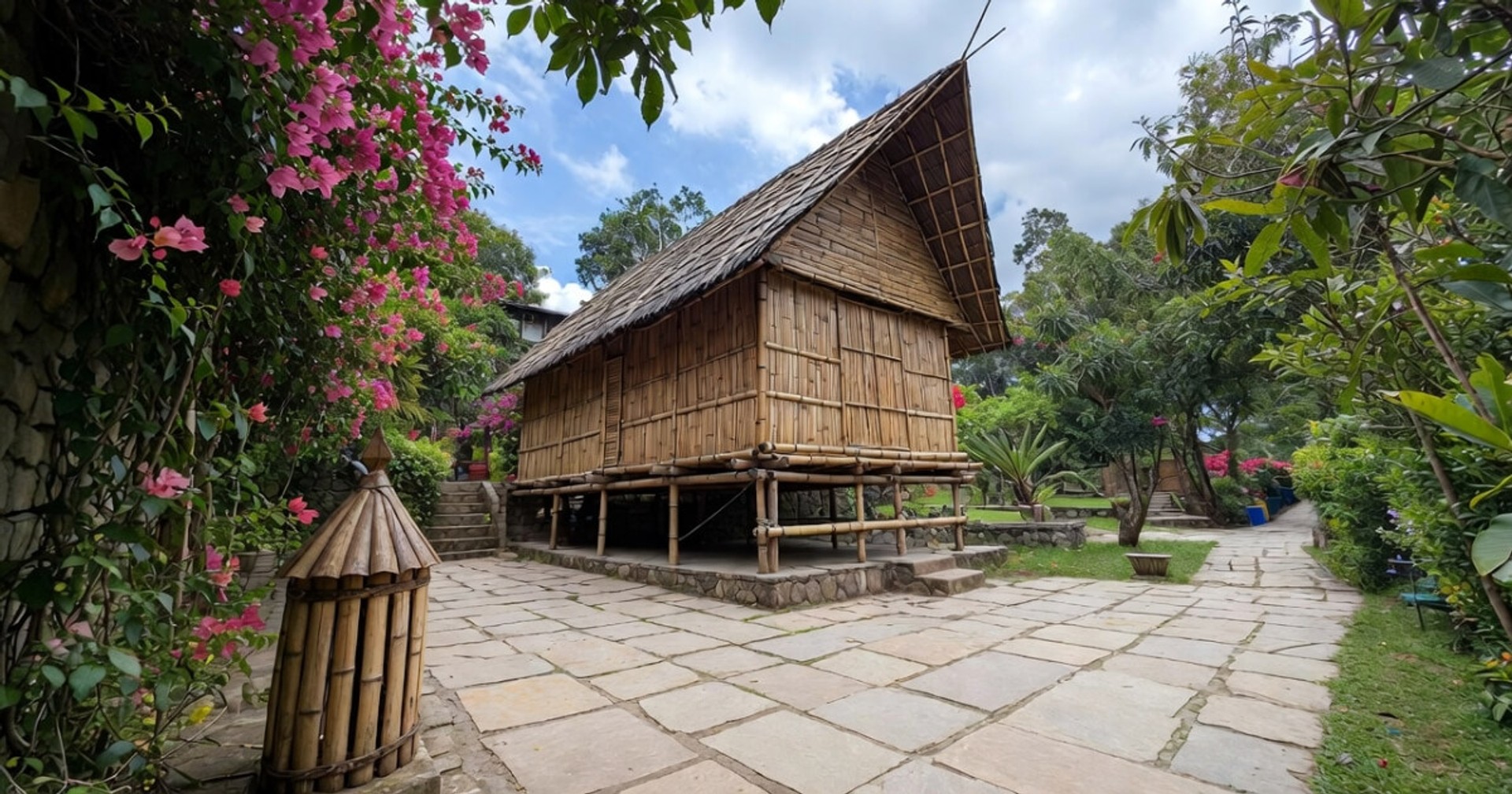

I stood at the edge of the village, looking down at my shoes. They were dusty from the long, winding drive through the East Khasi Hills. Then I looked at the street ahead of me.
It wasn't just clean. It was immaculate.
There were no candy wrappers. No plastic bottles. No stray piles of rubble. Just a paved cobblestone path lined with blooming orchids, bright orange marigolds, and bamboo baskets shaped like ice cream cones.
A six-year-old girl walked past me, spotted a single fallen leaf on the path, picked it up, and dropped it into one of the baskets. She didn't look around for applause. She just did it.
This is Mawlynnong.
For years, travelers have whispered about this place—a tiny hamlet of about 90 families near the Bangladesh border that defied the stereotype of "dirty India." In 2003, Discover India magazine declared it the "Cleanest Village in Asia," and the title stuck.
But as I walked deeper into the village, breathing in air that smelled of wet earth and woodsmoke, I realized that "clean" is a boring word. Mawlynnong isn't just clean; it is a masterclass in how humans should live with nature.
If you are a traveler who cares about the planet—if you believe that tourism should heal rather than destroy—this guide is for you. Here is everything I learned about visiting "God's Own Garden" sustainably.
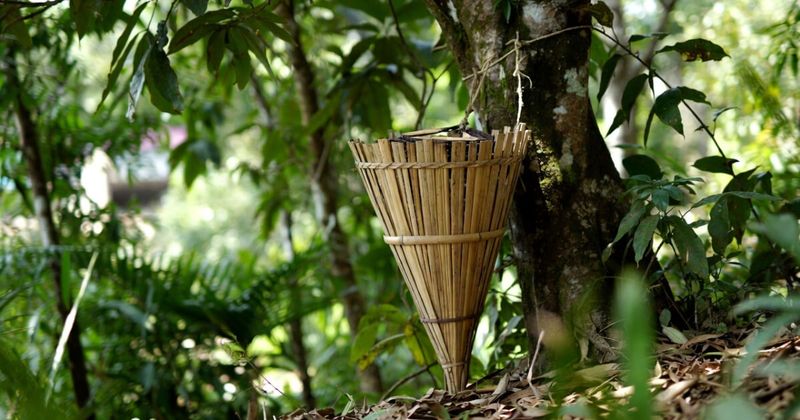
The 'Khoh': These bamboo baskets are the silent guardians of Mawlynnong’s hygiene.
Part 1: The Soul of the Village
Before we talk about logistics, you need to understand why this place exists. It isn't a government project. It isn't a theme park.
Mawlynnong is inhabited by the Khasi people, an indigenous tribe with a deep, spiritual connection to the land.
The Matrilineal Society
This is one of the few places left on Earth where women hold the power. In Khasi culture, lineage is traced through the mother. The youngest daughter (Khadduh) inherits the ancestral property. Children take their mother's surname.
When you visit, you will notice this dynamic immediately. The women run the homestays, the shops, and the finances. The men are often out in the fields or building the incredible bamboo structures the village is famous for. It is a society built on respect—for women, and by extension, for "Mother" Earth.
The Cleaning Ritual
Cleaning here isn't a chore; it's a civic duty. Every morning, the children of the village sweep the streets before going to school. The waste is separated rigorously.
- Organic waste: Goes into a compost pit to become fertilizer.
- Plastic waste: Is collected and sent to recycling centers (or increasingly, repurposed into "ecobricks").
My Advice: When you are here, you are a guest in their home. Act like it. Do not throw your cigarette butt on the ground thinking, "Someone will sweep it." That six-year-old girl shouldn't have to pick up after you.
Part 2: Getting There (The Journey)
Mawlynnong is isolated, which is exactly why it has preserved its charm. But reaching it requires some planning.
Step 1: The Flight
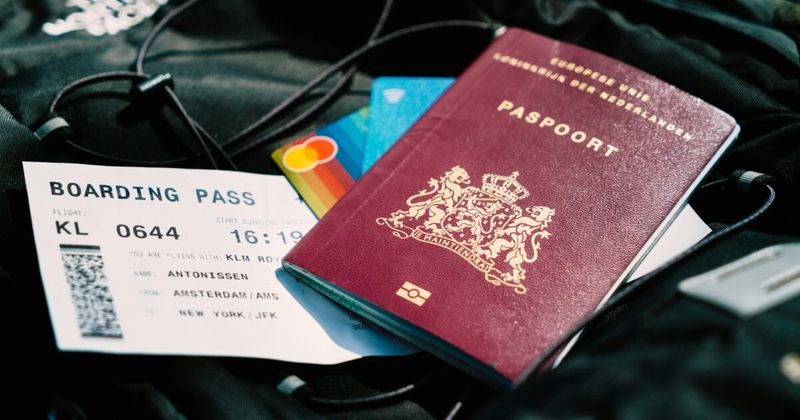
The gateway to the North East is Guwahati (GAU) in Assam. Flights to the North East can be pricey if booked last minute. I use FlyFlick to scan for the best dates. The "Flexible Dates" tool is a lifesaver here because flying on a Tuesday instead of a Friday can save you enough money to pay for your entire homestay.
Editor’s Note on Delays: The weather in the North East is unpredictable. Fog often delays flights. If your flight is delayed by more than 3 hours, you are legally entitled to compensation (up to €600 in some cases). I never fly without having Compensair bookmarked. They handle the legal battle for you.
Step 2: The Road to the Hills
From Guwahati Airport, you have a 3-hour drive to Shillong, and then another 2.5 hours to Mawlynnong.
The "Taxi Mafia" Warning: At Guwahati airport, you will be swarmed by taxi drivers shouting exorbitant prices. It is overwhelming.
- For Peace of Mind: I strongly recommend pre-booking a transfer via Welcome Pickups. Having a driver waiting with your namecard prevents the "haggle stress" and ensures you don't get ripped off on day one.
- Action: Book Your Airport Transfer
- For the Budget Adventurer: If you are staying in Guwahati city first, use InDrive. Unlike Uber, which can be spotty, InDrive allows you to negotiate the fare directly with the driver. It is widely used in Indian cities now and gives you bargaining power without the shouting match.
- Action: Download InDrive
The Route: The drive from Shillong to Mawlynnong is one of the most beautiful in India. You pass through the misty cliffs of Pynursla. Roll down the windows. The air gets cooler and cleaner with every mile.
Part 3: The Connectivity Challenge
Let’s be real: You are going to a remote tribal village. Your standard AT&T or Vodafone roaming will NOT work here. Even standard Indian SIM cards struggle in the deep valleys.
However, for safety and maps, you need a connection.
My "Digital Survival" Trio: I tested three different eSIMs on this trip. Here is the verdict for Meghalaya:
- Saily: Surprisingly good coverage in Shillong and the main highways. Great for checking emails.
- Yesim: This was my backup. It offered a "Pay as You Go" option which is great if you just need data for emergencies.
- Drimsim: This is a universal SIM that connects to the strongest local tower. In the patchy areas near the Bangladesh border, this was the only one that kept a signal alive.
Pro Tip: Download offline maps on Google Maps before you leave Shillong.
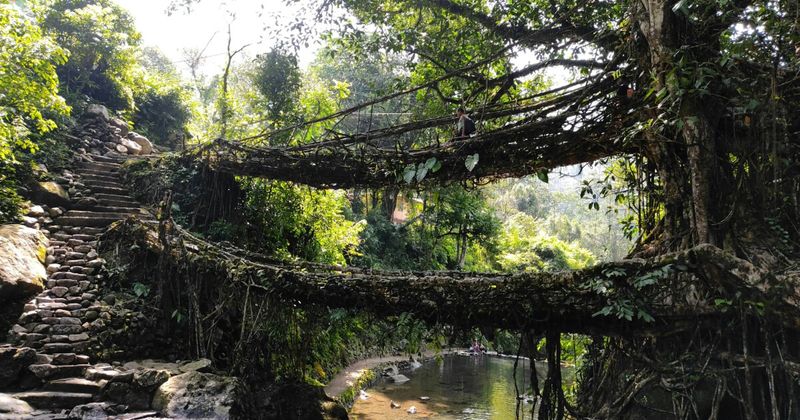
Bio-Engineering 101: This bridge wasn't built; it was grown over 100 years.
Part 4: Things to Do (The Slow Travel Way)
Do not rush Mawlynnong. This is not a place to "check off" a list.
1. The Living Root Bridge (Riwai)
Everyone talks about the Double Decker bridge in Cherrapunji, but that requires a grueling 3,500-step trek. The root bridge near Mawlynnong (in the neighboring village of Riwai) is accessible via a simple 15-minute walk.
It is a marvel of bio-engineering. The locals guide the roots of the Ficus Elastica (rubber tree) across the river using hollowed-out betel nut trunks. It takes 15-20 years for the bridge to become strong enough to hold a human.
- Eco-Tip: Do NOT stand on the roots for a selfie if there is a sign asking you not to. These are living organisms.
2. The Sky View (Bamboo Tower)
On the edge of the village, the locals have built an 85-foot viewing tower entirely out of bamboo and cane. You climb up the creaky (but safe) ladder, and at the top, the canopy opens up. Look south. That vast, flooded plain? That is Bangladesh. You are looking at another country.
3. The Balancing Rock
A strange natural phenomenon where a massive boulder rests on a tiny rock. It’s a 10-minute detour and deeply sacred to the ancient animist traditions of the area.
4. Do Nothing
My favorite activity. Sit on the porch of your homestay. Watch the butterflies (Mawlynnong is famous for them). Listen to the rain on the tin roof. Drink the local Lal Cha (red tea).
Part 5: Where to Stay (Homestays Only!)
There are no 5-star hotels here, and thank god for that. The accommodation consists of bamboo cottages run by local families.
Staying in a homestay ensures your money goes directly to the villagers, incentivizing them to protect their environment.
What to expect:
- Cleanliness: Spotless. You could eat off the floor.
- Amenities: Basic. A bed, a mosquito net, a fan (no AC needed usually), and a clean western-style toilet.
- Food: Home-cooked Khasi meals.
How to book: Many of these don't have websites. You can find some on Klook or Booking platforms, but often the best way is to just arrive and ask, or book a package that includes a vetted homestay.
Part 6: A Guide to Sustainable Eating
You won't find McDonald's here. You will find "Teacups" and small family kitchens.
Must-Try Dishes:
- Jadoh: Rice cooked with meat (usually pork) and turmeric. It’s savory, fatty, and delicious.
- Tungrymbai: Fermented soybean chutney. It has a strong smell (like strong cheese), but the taste is pure umami.
- Bamboo Shoot Curry: Fresh, crunchy, and slightly sour.
The Water Rule: Please, I beg you, do not buy plastic water bottles. Mawlynnong has clean filtered water available in most homestays. Bring a high-quality filter bottle (like a LifeStraw or Grayl). If you buy 3 plastic bottles a day, you are leaving behind trash that this village has to work hard to process.
Part 7: The Responsible Traveler’s Manifesto
If you visit Mawlynnong, you are signing an unwritten contract to protect it. Here are the rules:
- Zero Plastic: If you bring a wrapper in, you take it out. Carry a small "trash bag" in your daypack and dispose of it when you return to a big city like Shillong.
- Ask Before Clicking: The people here are very friendly, but they are not zoo exhibits. Always ask permission before taking photos of locals, especially the women and children.
- Dress Modestly: This is a conservative, traditional society. Walking around shirtless or in skimpy swimwear (at the waterfalls) is frowned upon.
- Quiet Please: The village is incredibly silent. Do not play loud music on portable speakers.
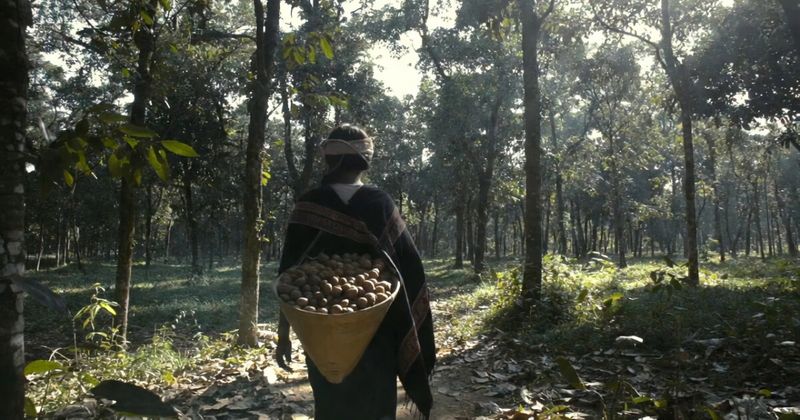
Strength and Grace: The women of Mawlynnong are the pillars of this unique society.
Conclusion: Why This Place Matters
As I packed my bags to leave, I asked my host, a gentle woman named Mary, if she ever gets tired of the tourists.
She smiled and said, "We are proud. We want to show the world that you can live simply and still live well."
Mawlynnong isn't perfect. It is grappling with the pressures of its own fame. But it stands as a defiant example of what is possible when a community decides that their environment is more important than convenience.
When you visit, you aren't just seeing a "clean village." You are seeing a blueprint for the future.
Pack light, tread softly, and let the silence of the hills change you.
Ready to go?
- ✈️ Start: Find Cheap Flights to Guwahati on FlyFlick
- 🚗 Transfer: Book a Reliable Welcome Pickup
- 📱 Connect: Get Your Saily eSIM
Safe travels, and keep it green.