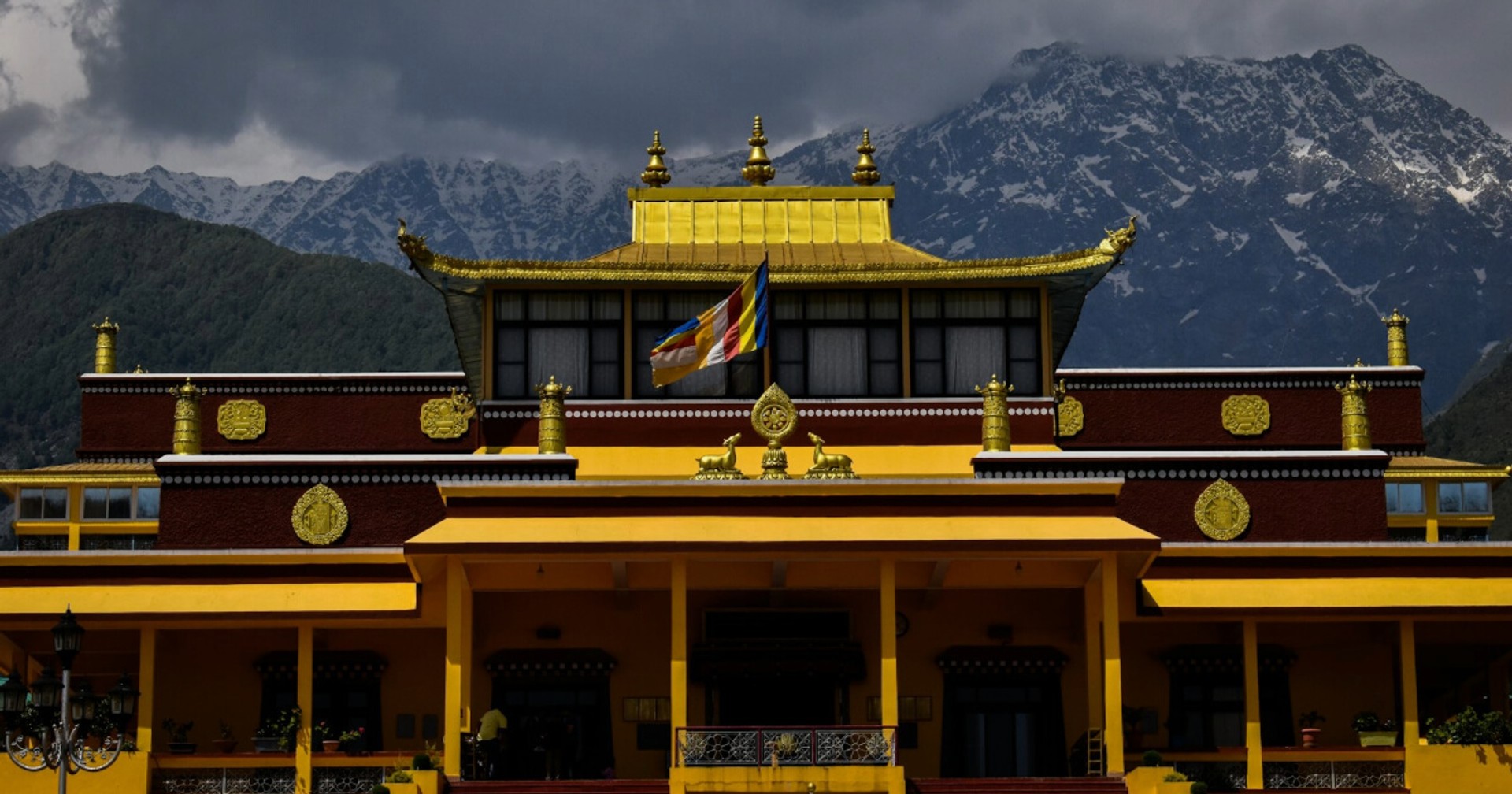

India is a magnificent assault on the senses. It is a country that demands your absolute, undivided attention from the moment you step off the plane. It is a symphony of blaring horns, the scent of roasting cumin and open drains, the kaleidoscope of silk saris, and the relentless, undeniable thrum of a billion people living out loud.
But sometimes, the soul does not need a symphony. Sometimes, the soul is exhausted. Sometimes, you travel halfway across the world not to see more, but to finally stop looking. You travel to find silence.
If you are carrying the heavy, invisible baggage of modern life—burnout, grief, a fractured attention span, or simply the quiet, nagging feeling that you are disconnected from yourself—there is a place in the foothills of the Himalayas waiting for you.
Welcome to Dharamshala, and its upper suburb, McLeod Ganj.
Known affectionately as "Little Lhasa," this forested mountain ridge is the home of His Holiness the 14th Dalai Lama and the center of the Tibetan government-in-exile. But beyond its political significance, it is one of the most potent spiritual epicenters on the planet. It is a place where you can study Buddhist philosophy, walk ancient cedar trails, spin golden prayer wheels, and, if you are brave enough, sit in absolute silence for ten days to face the contents of your own mind.
This is not a guide about where to eat the best momos (though they are excellent here). This is a comprehensive, deeply practical manual for the spiritual traveler. From navigating the complex rules of the Dalai Lama Temple to choosing the right meditation retreat, here is your roadmap to finding stillness in the chaos.
PART 1: LOGISTICS—LEAVING THE NOISE BEHIND
You cannot meditate if you are paralyzed by travel anxiety. The journey to Dharamshala requires a multi-step transition from the urban sprawl of Delhi into the high-altitude serenity of the Himalayas.
Step 1: The Soft Landing in Delhi
When you fly into Indira Gandhi International Airport (DEL), you will likely be jet-lagged and spiritually drained. Walking out of the terminal into a mob of aggressive taxi touts is the fastest way to ruin your peace of mind.
- The Grounding Hack: I refuse to negotiate for cabs at midnight. I use Welcome Pickups. You pre-book it online, and a verified, English-speaking driver is waiting for you at the arrivals gate with your name on an iPad. It is a seamless, quiet transition to your hotel.
Step 2: Delhi to Dharamshala (The Ascent)
Dharamshala is roughly 500 kilometers north of Delhi. You have two ways to get there:
Option A: The Sky Route (Flying to Kangra/Gaggal) The fastest way is a 90-minute flight from Delhi to Kangra Airport (DHM), which is about 45 minutes from McLeod Ganj.
- The Reality Check: Kangra is a tiny airport nestled in the mountains. Weather here is volatile. Flights are frequently delayed or canceled due to sudden fog or monsoon rains.
- The Strategy: Book your domestic flights using FlyFlick to find the best routes. But more importantly, immediately register that flight with Compensair. If the Himalayan weather traps you in Delhi for hours, Compensair acts as your legal advocate, fighting the airlines to get you up to €600 in compensation while you sip chai in the lounge.
Option B: The Pilgrim’s Route (The Overnight Bus) This is the classic backpacker and pilgrim method. You board a Volvo sleeper bus in Delhi at 6:00 PM and wake up to the sun rising over the Dhauladhar mountains at 7:00 AM.
- The Reality Check: The last two hours involve winding, hairpin mountain roads. If you are prone to motion sickness, take medication. Do not risk booking this at the chaotic bus station; secure your seat weeks in advance.
Step 3: Arriving in McLeod Ganj
Whether you arrive by plane or bus, you will eventually find yourself in Lower Dharamshala and need to ascend the steep hill to McLeod Ganj. The local taxi mafia often inflates prices for foreigners.
- The Strategy: Use InDrive. This app lets you suggest a fair price for the ride, and verified local drivers will accept it. It removes the stress of haggling and lets you enjoy the pine-scented drive up the mountain.
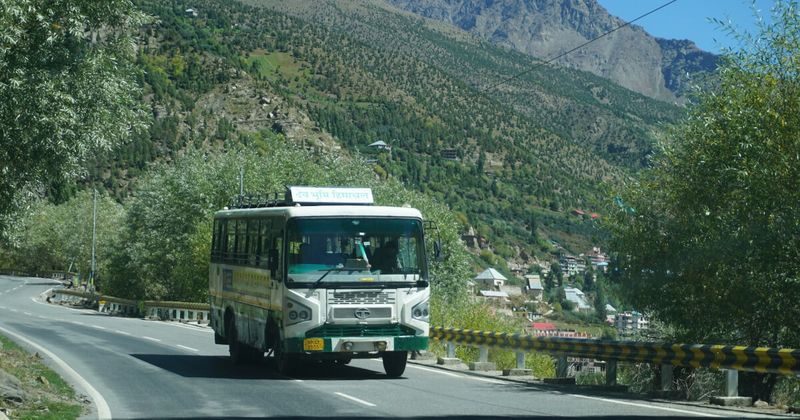
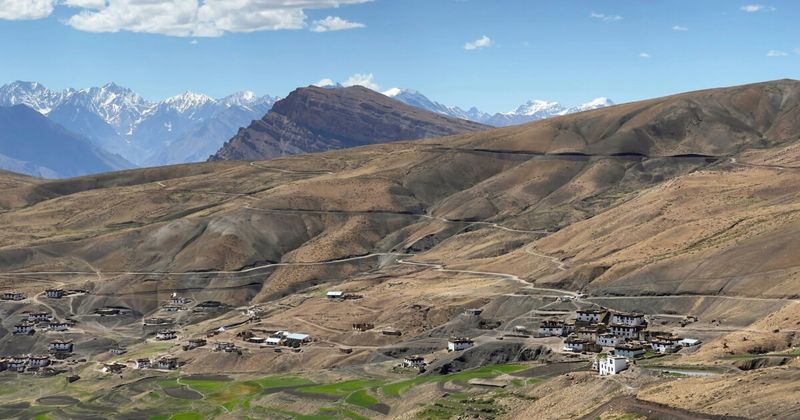
The road to enlightenment is rarely a straight line. Navigating the dizzying, beautiful curves of the Kangra Valley on the way to the Dalai Lama Temple.
PART 2: THE DIGITAL DETOX STRATEGY (STAYING CONNECTED ON YOUR TERMS)
A spiritual journey does not mean throwing your phone off a cliff. It means controlling your connectivity rather than letting it control you. Western roaming plans will drain your bank account, and finding a physical SIM card as a foreigner in India involves endless paperwork. You need an eSIM strategy.
1. The Urban Anchor: Saily
When you are in Delhi, or settling into the cafes of McLeod Ganj (which have surprisingly good Wi-Fi), you need reliable 5G to inform your family you have arrived safely and to check your retreat schedules. Saily is brilliant. It instantly latches onto the strongest local networks (Airtel or Jio) without the hassle of physical SIM cards.
- Verdict: Your primary connection to the outside world.
- Action: Get 5% Off Your Saily eSIM
2. The Mountain Fringes: Drimsim
If your spiritual journey takes you on hikes to Triund or to remote monasteries in the surrounding Kangra Valley, standard networks will fail. Drimsim is an absolute necessity here. It is a universal, pay-as-you-go eSIM that aggressively searches for any available micro-signal, regardless of the provider. It is your off-grid safety net.
- Verdict: Never hike the Himalayas without it.
- Action: Equip Drimsim for Off-Grid Connectivity
3. The Back-Up Vault: Yesim
If you are attending public teachings, you will likely record audio notes, or take hundreds of photos of the breathtaking Tibetan architecture. You need to back these up. Yesim offers robust unlimited data packages, allowing you to upload everything to the cloud overnight while you sleep.
- Verdict: Essential for heavy data users and digital nomads.
- Action: Get Unlimited Data with Yesim
PART 3: THE TSUGLAGKHANG COMPLEX (THE DALAI LAMA TEMPLE)
At the very end of Temple Road in McLeod Ganj sits the Tsuglagkhang Complex. This is the spiritual heart of the Tibetan diaspora and the official residence of the Dalai Lama.
Do not expect a grandiose, gold-plated palace. True to Buddhist philosophy, the complex is modest, functional, and deeply peaceful. It is open daily from roughly sunrise to sunset (typically 8:00 AM to 6:00 PM, though this varies slightly by season).
The Anatomy of the Complex
1. The Kora (The Clockwise Path) Before entering the main temple, you must understand the Kora. This is the ritual circumambulation of a sacred site. You must always walk clockwise around the complex. As you walk the forested path outside the temple, you will pass hundreds of copper prayer wheels. Spin them (always clockwise) as you walk. Inside each wheel are thousands of written mantras; spinning them is believed to release these prayers into the wind, sending compassion out into the world.
2. The Main Temple Room This is the central hall. It houses a beautifully gilded statue of the historical Buddha, flanked by Padmasambhava (the sage who brought Buddhism to Tibet) and Avalokitesvara (the Buddha of Compassion, of whom the Dalai Lama is believed to be an earthly manifestation). You will see monks chanting, laypeople performing full-body prostrations, and butter lamps burning softly. Find a corner, sit cross-legged, and simply breathe. The energy in this room is heavy with centuries of devotion.
3. The Tibet Museum Do not skip this. Located near the entrance, this museum tells the harrowing story of the 1959 Tibetan uprising, the Chinese occupation, and the arduous escape across the Himalayas that brought these refugees to India. It is a sobering, necessary context. You cannot fully appreciate the peace of this temple without understanding the trauma its people have endured.
Rules of Engagement and Etiquette
- Dress Code: This is a sacred space. Shoulders and knees must be covered, regardless of your gender or the temperature outside. Carry a light shawl.
- Footwear: You must remove your shoes before entering the inner carpeted sanctums. Wear slip-on shoes for ease.
- Photography: You can take photos in the courtyard and outer areas, but photography is strictly forbidden inside the main shrines and during teachings.
- The Golden Rule: Speak softly. Do not point your feet at the altars or the monks (pointing the soles of your feet is considered highly disrespectful in Buddhist culture).
Attending a Public Teaching by the Dalai Lama
If you are fortunate enough to align your visit with His Holiness’s public teachings, prepare for an intensely profound, yet logistically chaotic, experience.
- Registration is Mandatory: You cannot just walk in. You must register at the Branch Security Office near the temple days in advance. You will need your Passport, Indian Visa, and a passport-sized photo.
- The FM Radio Hack: His Holiness teaches in Tibetan. To understand him, you must bring a basic FM radio and headphones. The temple broadcasts live translations (in English, Chinese, Hindi, etc.) on specific FM frequencies. Note: Smartphones are strictly banned during teachings for security reasons. Buy a cheap battery-powered FM radio in the local market.
- Seating: Bring a cushion. Seating is on the floor, on a first-come, first-served basis. Tibetans will often claim their spot days in advance by leaving a blanket on the floor. Respect these placeholders.
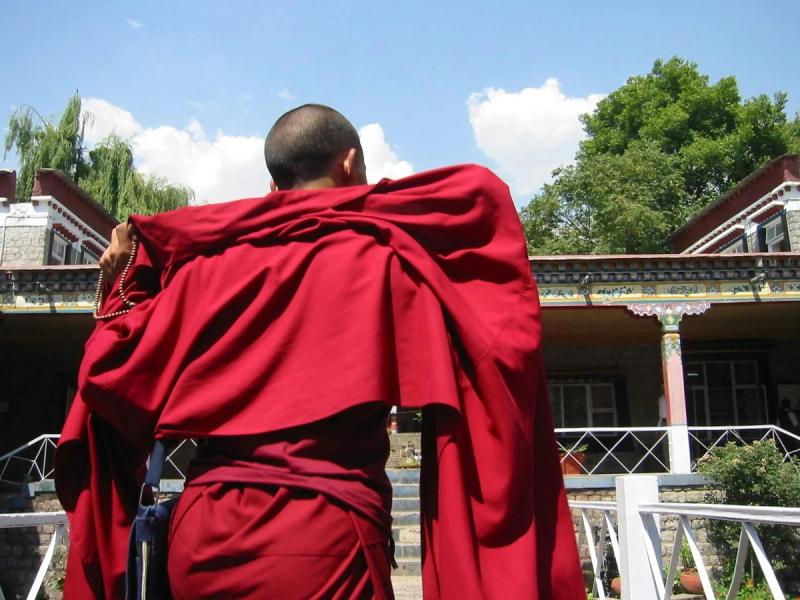
Finding stillness in every step. A monk returning to the monastery grounds in the quiet corners of McLeod Ganj.
PART 4: THE CRUCIBLE OF SILENCE (CHOOSING A RETREAT)
Visiting a temple is an act of observation. Attending a retreat is an act of transformation. Dharamshala is globally renowned for its immersive spiritual courses. However, you must choose the right environment for your specific psychological needs.
1. Tushita Meditation Centre (The Middle Path)
Nestled higher up the mountain in the pine forests of Dharamkot, Tushita is legendary. Founded by Tibetan monks, it is designed specifically to introduce Westerners to Tibetan Mahayana Buddhism.
- The Experience: Their flagship offering is the 10-day "Introduction to Buddhism" course. It is held in strict silence.
- How it differs from Vipassana: If you have done a Goenka Vipassana retreat, know that Tushita is different. Vipassana requires 12 hours of agonizing seated meditation a day with zero eye contact and zero teachings. Tushita is more intellectual and gentle. A typical day includes 4 hours of philosophical teachings (Karma, emptiness, death), 3 hours of guided meditation, and a one-hour discussion group where you are actually allowed to speak to dissect the day's lessons.
- The Reality: You will sleep in basic, shared dormitories. The food is simple, vegetarian, and bland (to keep the mind unagitated). Monkeys will try to steal your laundry. It is cold at night. But the clarity you achieve by Day 7 is intoxicating.
- Booking: These courses book out months in advance. Do not show up hoping for a walk-in spot.
2. Z Meditation (The Deep Unraveling)
If traditional Buddhist dogma doesn't resonate with you, Z Meditation offers a more psychological, non-sectarian approach.
- The Experience: They focus heavily on "Deep Deconditioning Inquiry." This is a structured, self-guided process where you systematically write down your core beliefs, cultural conditioning, and past traumas, and critically dismantle them.
- The Vibe: It is less about chanting and more about brutally honest self-reflection. It is perfect for those dealing with specific emotional roadblocks, career burnout, or relationship grief.
3. Ram Yoga House & Om Yoga Ashram (The Body-Mind Connection)
If you cannot fathom 10 days of silence and prefer to find peace through physical movement, McLeod Ganj has exceptional Yoga retreats.
- The Experience: Places like Ram Yoga House offer 6-day holistic holidays. You will engage in daily Ashtanga or Hatha yoga, breathwork (Pranayama), Ayurvedic massages, and guided walks to waterfalls.
- The Vibe: Much softer and more luxurious than the strict meditation centers. You get to keep your phone, talk to fellow travelers, and eat incredible organic food while still doing deep internal work.
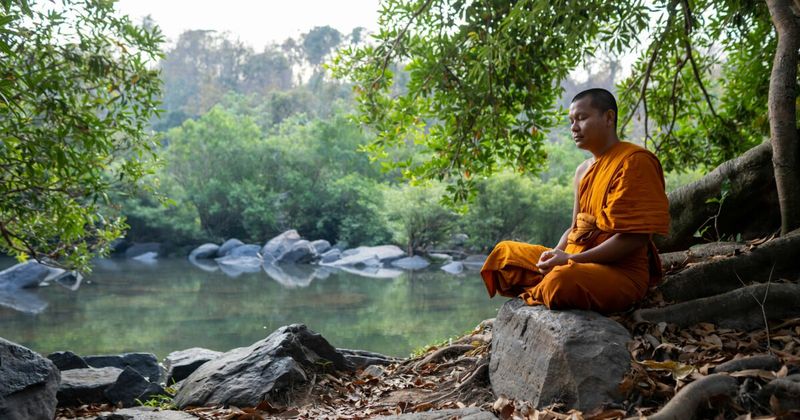
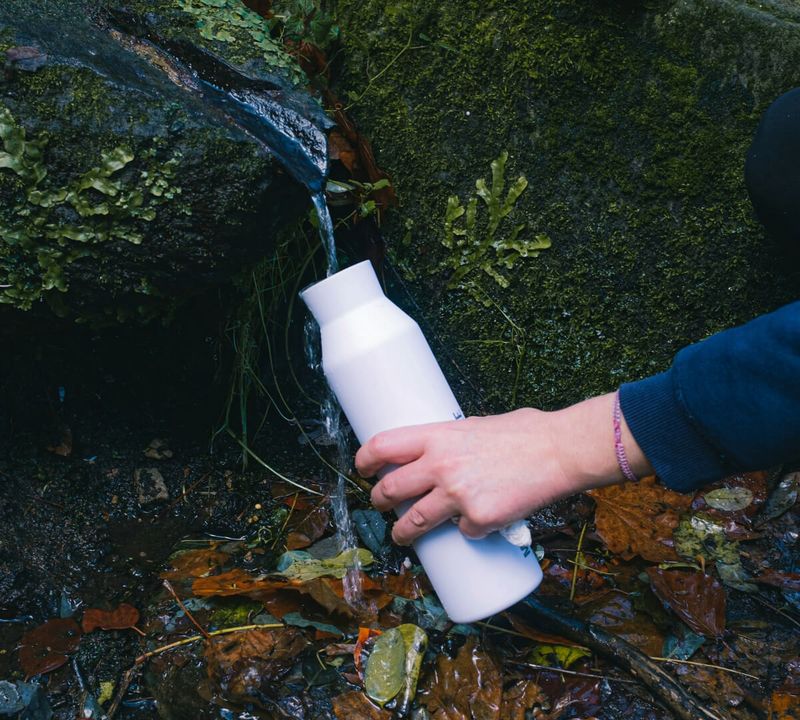
Beyond the prayer wheels and the temple crowds, the mountains offer their own kind of sermon. Finding a moment of pure silence by the glacial streams of Dharamshala.
PART 5: WHAT A 10-DAY SILENT RETREAT ACTUALLY FEELS LIKE
I have sat through these retreats. I need to demystify what happens when you stop talking for a week and a half. It is not all floating on clouds of bliss. It is a psychological crucible.
Days 1-3: The Withdrawal Your brain will panic. Accustomed to the constant dopamine hits of Instagram, emails, and conversation, your mind will scramble for stimulation. You will experience Phantom Phone Syndrome—reaching into your pocket for a device that isn't there. You will replay random arguments from five years ago. You will judge everyone around you based entirely on how they chew their food. You will want to quit.
Days 4-6: The Surrender The physical pain peaks here. Your back will ache from sitting cross-legged. But mentally, something shifts. The chaotic sediment in your mind begins to settle to the bottom of the glass. The internal chatter slows down. You start noticing the hyper-specific details of the world: the exact shade of green on a cedar leaf, the temperature of the air entering your nostrils, the taste of plain lentils.
Days 7-9: The Unearthing This is where the real work happens. Without external distractions, buried emotions rise to the surface. People often cry spontaneously during meditation in these days—not out of sadness, but out of profound release. You realize how much energy you spend holding up the mask of your personality. When you drop the mask, there is immense grief, followed by immense lightness.
Day 10: The Return When the silence is finally broken, your own voice will sound foreign to you. The world will seem unbearably loud, but incredibly beautiful. You will leave the mountain carrying a quiet, unshakeable center of gravity that no traffic jam or stressful email can easily dislodge.
PART 6: BEYOND THE CUSHION (SURROUNDING SANCTUARIES)
You cannot sit in meditation all day. When you need to integrate what you have learned, Dharamshala offers external sanctuaries.
The Norbulingka Institute
Located in the lower valley (Sidhbari), this is a stunning campus dedicated to preserving Tibetan arts. Walk through the Japanese-style water gardens, watch artisans painstakingly paint Thangkas (sacred Buddhist scrolls), and visit the doll museum. It is a masterclass in mindfulness in motion.
The Triund Trek
Spirituality is often found in the rhythm of walking. Triund is a moderately challenging day hike (or an overnight camping trip) that starts above McLeod Ganj. You ascend through oak and rhododendron forests until you reach a high alpine meadow that puts you face-to-face with the jagged peaks of the Moon Peak and the Dhauladhar range. Standing at 9,300 feet, looking at the sheer scale of the earth, is an ego-shattering experience.
- The Safety Hack: The weather on Triund can turn deadly fast. Do not hike it alone if you are inexperienced. Book a guided spiritual walking tour or trek through a certified aggregator to ensure you have a knowledgeable guide who understands the terrain.
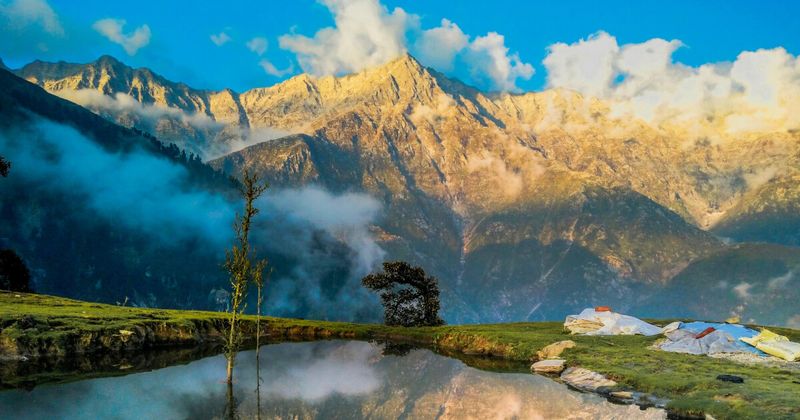
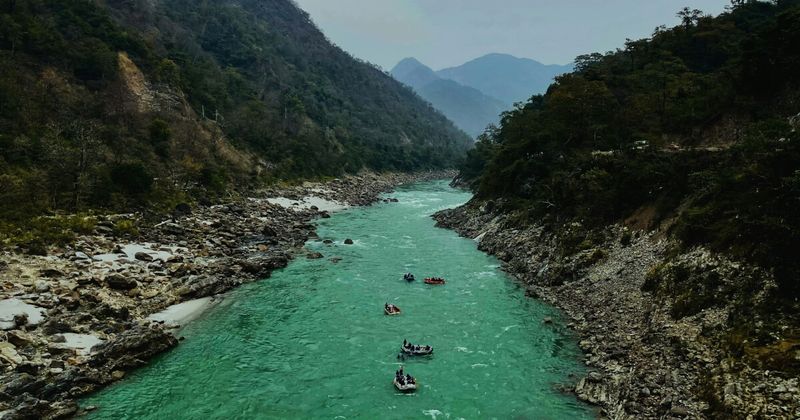
The mountains don't just speak; they listen. Finding a mirror of peace in the high-altitude waters of the Kangra Valley.
Final Thoughts: The Courage to Be Still
We travel to escape, to indulge, to conquer. But a journey to Dharamshala is different. It is a journey of subtraction.
You strip away the noise of your city, the demands of your career, the notifications on your screen, and the sound of your own voice. You sit in a cold room in the shadow of the Himalayas, and you wait.
What you find in that silence might frighten you at first. You will meet your anxieties, your regrets, and your restless mind. But if you stay seated, if you keep breathing, and if you listen to the ancient wisdom echoing out from the Dalai Lama’s temple down into the pine valleys, you will eventually meet something else.
You will meet yourself. And you will realize that the peace you were searching for across the globe was sitting quietly inside of you all along.
Pack light. Breathe deep. The mountains are calling.
Your Spiritual Logistics Checklist
- 🚐 Arrival Transfer: Welcome Pickups (Arrive in Delhi with peace of mind).
- ✈️ Flights to the Mountains: FlyFlick (Book) | Compensair (Flight delay protection for Kangra airport).
- 🚌 Buses & Trains: Klook (Book the Delhi-Dharamshala Volvo securely).
- 🚖 Local Mountain Cabs: InDrive (Navigate McLeod Ganj without haggling).
- 📱 Mindful Connectivity: Saily (City 5G) | Drimsim (Remote Off-Grid) | Yesim (Unlimited Data for backups).
- 🏔️ Guided Treks & Tours: Klook (Safe, verified Triund treks and Monastery tours).
Quiet the mind. Awaken the soul.