
Let me guess your current India itinerary: Land in Delhi, see the Taj Mahal in Agra, take a photo in front of the Hawa Mahal in Jaipur, and fly home.
You and three million other people.
In 2026, the global traveler’s mindset has fundamentally shifted. We no longer want to just look at a country through the tinted window of an air-conditioned bus. We want to feel it in our bones. We want to be exhausted, exhilarated, and pushed to our absolute limits.
India is not just a cultural hub; it is the most chaotic, diverse, and raw adventure playground on the planet.
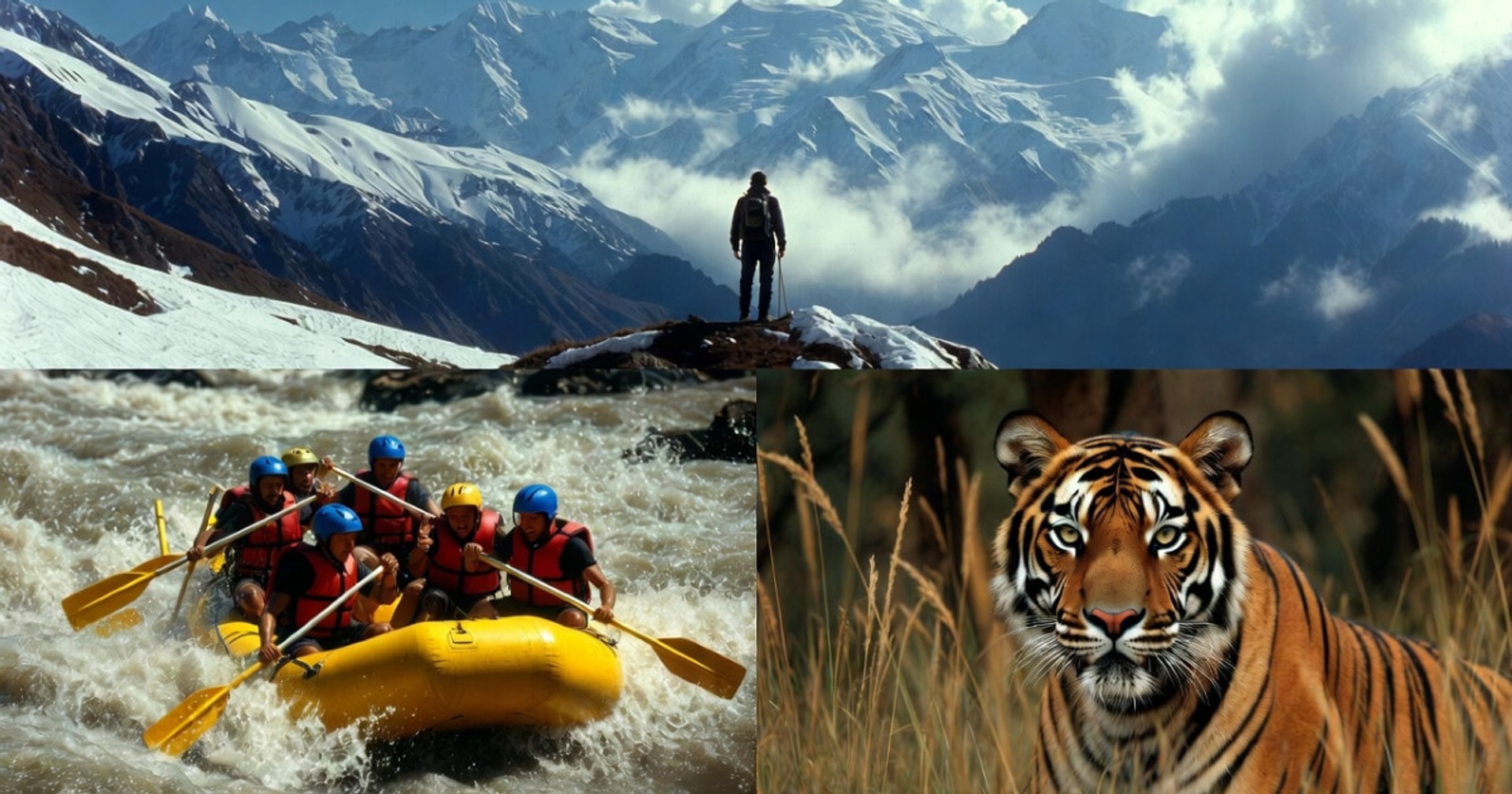
This guide is what I call "The Holy Trinity of Indian Adventure." It covers the three highest-searched, most adrenaline-pumping activities for international travelers:
- The High: Trekking the Indian Himalayas.
- The Rush: Multi-day Rafting on the Ganges River.
- The Wild: Tracking the elusive Bengal Tiger.
This isn't a glossy brochure. This is a survival guide featuring actionable data, real 2026 pricing, safety warnings, and the exact digital logistics you need to pull it off.
Let’s get your boots dirty.
PART 1: THE HIGH (Trekking the Indian Himalayas)
Nepal gets all the mainstream trekking glory, but the Indian Himalayas (spanning Himachal Pradesh, Uttarakhand, and Ladakh) offer trails that are wilder, less commercialized, and profoundly spiritual.
The Global Favorite: Hampta Pass (Himachal Pradesh)
If you have 5 to 6 days and want the highest "view-to-effort" ratio, you do the Hampta Pass.
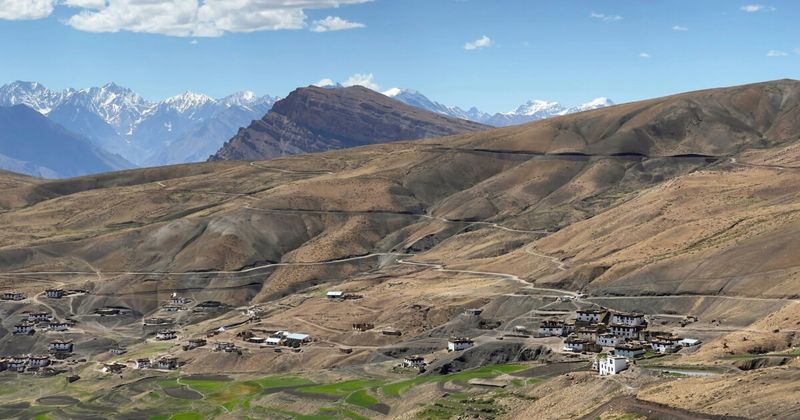
- The Experience: You start in the lush, green, rain-soaked valleys of Kullu. Over four days, you climb to 14,000 feet (4,270 meters), cross a massive snow-covered mountain pass, and suddenly descend into the barren, high-altitude desert of Spiti Valley. It is like walking from Scotland into Mars in a single afternoon.
- The Reality Check: You will not shower for five days. You will sleep in tents where the outside temperature drops to -5°C (23°F) at night. You will drink glacial meltwater.
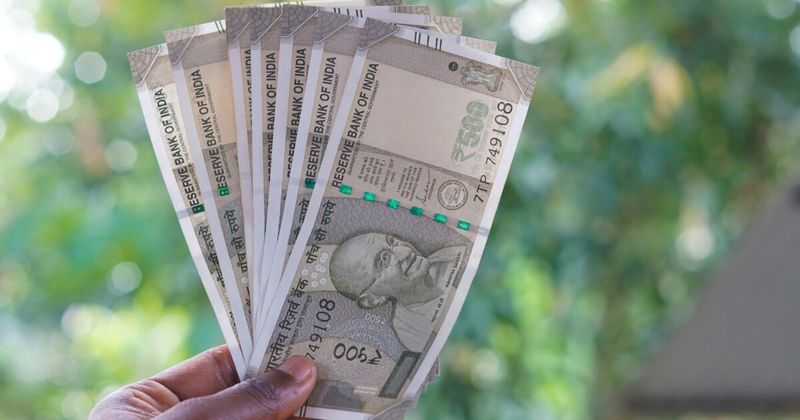
- The Cost (2026): A fully guided trek (including tents, permits, food, and guides) costs between ₹9,000 to ₹12,000 ($110 - $145). Do not attempt to do this unguided as a foreigner. The weather turns violent in minutes.
The Extreme Option: The Chadar Trek (Ladakh)
For the hardcore masochists, there is the Chadar Trek.
- The Experience: Undertaken only in January and February, this involves walking for 100 kilometers on the frozen Zanskar River. The temperatures hover around -30°C (-22°F).
- The Warning: This is highly dangerous. Ice breaks. Frostbite is a real threat. Global warming is making the ice thinner every year, meaning 2026 or 2027 might be the last years it is safely operable.
- The Cost: ₹25,000 - ₹35,000 ($300 - $420) for an 8-day expedition.
The Ethical Trekker’s Checklist:
- Leave No Trace: The Himalayas have a severe trash problem. Carry a Grayl water purifier so you don't buy plastic bottles. Bring your wrappers back to Delhi.
- Respect the Porters: Ensure the trekking company you hire provides proper winter gear and fair wages to their local porters and mules.
PART 2: THE RUSH (Rafting the Sacred Ganges)
Rishikesh is officially the "Yoga Capital of the World," but if you look past the ashrams, it is the undisputed Adventure Capital of India.
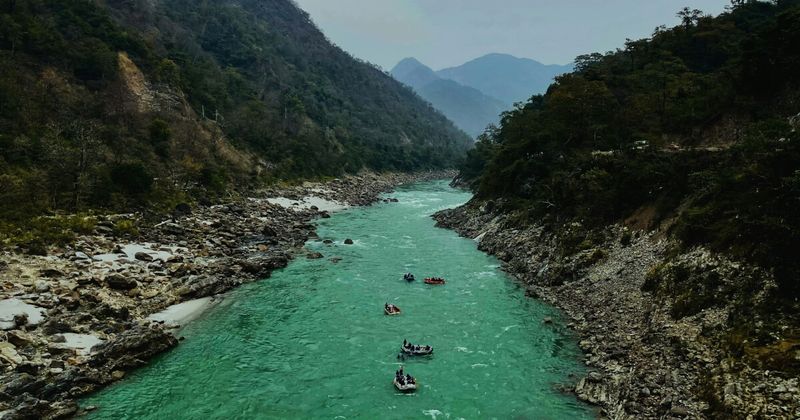
The Ganges River is born from a glacier high in the Himalayas. By the time it reaches Rishikesh, it is a roaring, freezing, and violent force of nature, creating world-class white-water rapids.
The 26km Marine Drive Expedition (The Sweet Spot)
Most tourists do the basic 9km run. Skip it. It’s essentially a floating traffic jam. You want the 26km Marine Drive to NIM Beach route.
- The Experience: You will navigate Grade III and IV rapids with terrifying names like Roller Coaster, Golf Course, and The Wall. I will never forget the sheer drop of The Wall—our raft went completely vertical, suspending us in mid-air before crashing through a wall of ice-cold white water.
- The Cost: ₹1,500 - ₹2,000 ($18 - $24).
- The Danger of "Cheap": You will see operators offering this for ₹800. Run away. They use patched-up rafts, expired life jackets, and guides who barely speak English. Your life is worth more than $10. Always book through certified, highly-rated outfitters.
- Action: [Book Certified Rishikesh Rafting Packages on Klook] (Affiliate Link)
The Ultimate Test: The 70km Devprayag Expedition
If you have time, do the multi-day expedition. You start at Devprayag (where two rivers physically merge to form the Ganges). You raft for 6-7 hours a day and sleep on secluded white-sand riverbanks under the stars, completely cut off from civilization.
- The Cost: ₹7,000 - ₹10,000 ($85 - $120) for 2 Days/1 Night.
Bonus Adrenaline: Bungee Jumping
While in Rishikesh, head to Mohan Chatti. Here, you will find India’s highest bungee jump (83 meters / 273 feet), operated by ex-military jumpmasters from New Zealand.
PART 3: THE WILD (The Bengal Tiger Safari)
Africa has the "Big Five," but there is absolutely nothing in the natural world that compares to the sheer terror and awe of locking eyes with a wild Royal Bengal Tiger.
The Big Three Parks:
Where should you go? It depends on your patience.
- Jim Corbett National Park (Uttarakhand):
- Best For: Landscape photography and elephant herds. It's the oldest park in India.
- Tiger Sighting Chance: Moderate. The jungle is incredibly dense, giving the tigers plenty of places to hide.
- Ranthambore National Park (Rajasthan):
- Best For: The classic "Tiger against ancient ruins" photo. The park is littered with 10th-century forts.
- Tiger Sighting Chance: High. The dry deciduous forest makes spotting the orange coat easier.
- Bandhavgarh National Park (Madhya Pradesh):
- Best For: Pure tiger tracking.
- Tiger Sighting Chance: Extremely High. It has the highest density of Bengal tigers in the world.
The "Permit" Nightmare (Read Carefully)
Here is where 90% of foreign travelers fail. You cannot just show up at a tiger reserve and buy a ticket. The Indian government strictly limits the number of jeeps (Gypsys) allowed in the core zones each day.
- The Rule: Permits open 90 to 120 days in advance on government portals. They sell out in minutes.
- The Hack: Do not try to navigate the notoriously buggy government websites yourself. Use a verified third-party aggregator to secure your gypsy and permits months in advance.
Cost Expectation: An exclusive 6-seater Gypsy for a core zone safari will cost a foreigner around ₹8,000 - ₹12,000 ($95 - $145) per drive.
PART 4: LOGISTICS FOR THE GLOBAL NOMAD
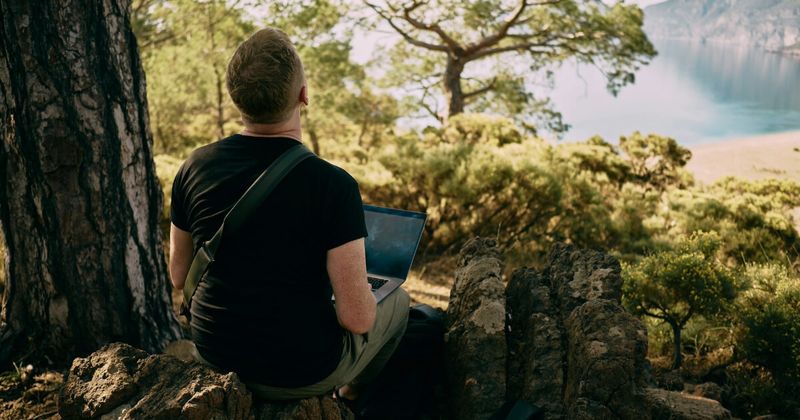
Executing this adventure loop (Mountains -> River -> Jungle) requires flawless logistics. India will test your patience if you are unprepared.
1. The Connectivity Crisis (Your Lifeline)
You will be moving through high-altitude mountains, deep river valleys, and remote jungles. A standard international roaming plan will fail you. You need a multi-eSIM strategy.
- For the Jungle & Mountains (Coverage is King): Drimsim
- Why: Drimsim is a universal SIM. When you are deep in the Himalayas or Jim Corbett, private networks (Airtel/Jio) often die, but the government network (BSNL) survives. Drimsim latches onto whatever signal exists. It’s a pay-as-you-go lifesaver for emergencies.
- Action: Get Drimsim for Off-Grid Coverage
- For the Hubs (Speed is King): Saily
- Why: When you are in Rishikesh town, Delhi, or Jaipur, you need fast 5G to book cabs and check maps. Saily offers cheap, instant local data.
- Action: Get 5% Off Saily eSIM
- For the Creator (Unlimited Data): Yesim
- Why: If you just shot 40GB of 4K video of a tiger hunt or a bungee jump and need to back it up to the cloud tonight, you need unlimited data.
- Action: Get Unlimited Data Packages with Yesim
2. Navigating the Transport Matrix
Trains (The Authentic Way): To get from Delhi to Rishikesh, or Delhi to Ranthambore, the Indian Railway network is spectacular. However, the official IRCTC website often rejects foreign credit cards.
- The Hack: Use Klook. They charge a tiny markup but accept international cards and guarantee your seat.
- Action: Book Indian Trains on Klook
Cabs (The Final Mile): When you get off the train, do not negotiate with the mob of taxi drivers waiting outside. You will be overcharged.
- The Hack: Download InDrive. You set the price you are willing to pay, and verified drivers accept it. It works beautifully in major hubs and saves you the mental exhaustion of haggling.
- Action: Download InDrive for Fair Fares
Flights (The Time Saver): If you are connecting from the Himalayas (Dharamshala airport) down to Central India for tigers, you must fly. Mountain flights are notoriously delayed by weather.
- The Hack: Book via FlyFlick to find the best regional routes. Crucially, register your flight with Compensair. If a Himalayan storm delays your Indigo flight by 4 hours, Compensair handles the legal paperwork to get you up to €600 in compensation.
Conclusion: The Reward of the Grind
Adventure travel in India is not a vacation; it is an expedition.
It is waking up at 4:30 AM in a freezing tent. It is the physical ache in your shoulders from paddling through rapids. It is the terrifying, dead silence of the jungle right before an alarm call signals a tiger is near.
It will test your patience, your stomach, and your stamina. But when you are standing at 14,000 feet looking over the edge of the world, or staring into the amber eyes of an apex predator, you will realize something profound:
You didn't just visit India. You earned it.
Now, pack your thermal layers, download your eSIMs, and get to the airport. The wild is waiting.
Safe travels, and keep your eyes open.